
For decades, dental implants have been the gold standard for replacing missing teeth. They’re strong, dependable, and remarkably lifelike in appearance. But there’s a secret many patients learn after the surgery: while an implant may look like a real tooth, it doesn’t feel like one. The subtle sensations you take for granted—biting into an apple, sensing the heat of tea, or detecting a popcorn kernel—are gone. Once the nerves that ran through a natural tooth are severed, traditional implants can’t restore them.
That might be about to change. Scientists at Tufts University are developing an experimental “smart tooth” that could restore what’s been lost. Unlike current implants, this one is designed to connect with your body on a biological level. Early tests suggest it could grow into your gum tissue, link up with your nerves, and send sensory signals back to your brain. If it works in humans, it wouldn’t just change dentistry—it could open the door to a new generation of medical implants that feel as real as the parts they replace.

Why Traditional Dental Implants Can’t “Feel”
The success of modern dental implants lies in their mechanical strength. A titanium post is inserted into the jawbone, where it fuses with the bone over several months. Once healed, a custom-made crown is attached, restoring the appearance and basic function of the missing tooth. This process, called osseointegration, has a very high success rate and can last for decades with proper care.
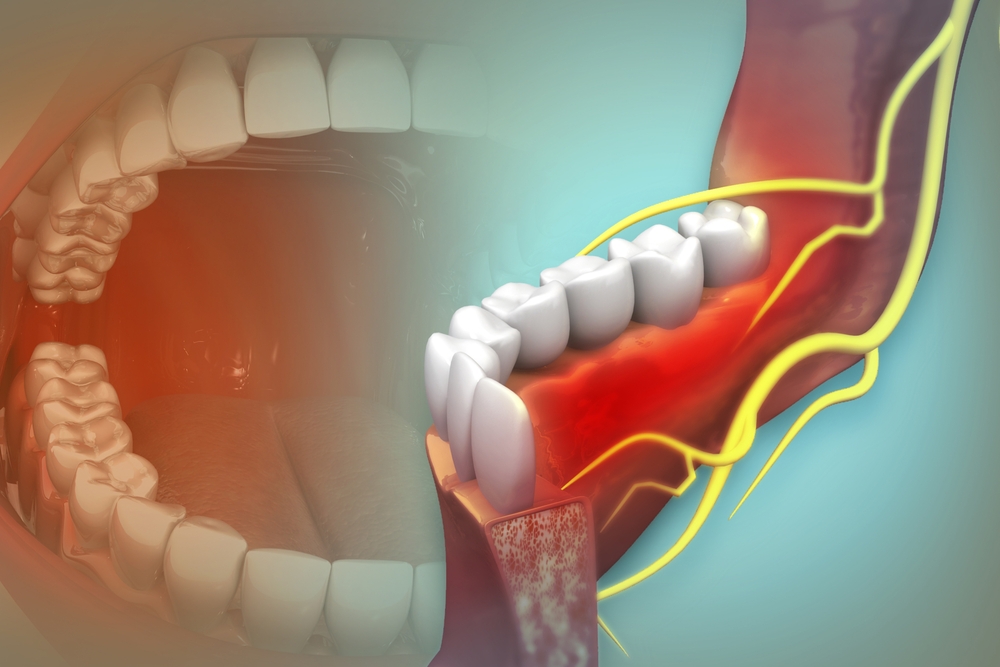
But implants are not living tissue. A natural tooth is anchored in place by the periodontal ligament, a network of connective fibers embedded in the surrounding bone and gum tissue. Inside the tooth runs the pulp, which houses blood vessels and nerve fibers. These nerves send constant feedback to your brain about pressure, movement, and temperature.
When a tooth is removed, both the ligament and the nerve connections are lost. The titanium post of a traditional implant can’t reconnect with nerve fibers—it’s inert. This absence of sensation doesn’t just affect your comfort; it can subtly alter your chewing habits, speech patterns, and even jaw alignment over time. People often chew more cautiously or favor one side of their mouth without realizing it, leading to uneven wear on other teeth and strain on the jaw joint (temporomandibular joint or TMJ).
Meet the Smart Tooth: A Living Upgrade
The Tufts “smart tooth” takes a radically different approach by making the implant biologically active. At its core is a biodegradable scaffold—a soft, temporary casing that surrounds the implant when it’s placed into the socket. This scaffold is infused with stem cells and proteins that specifically encourage nerve regeneration.
Once the smart tooth is positioned, the scaffold begins to dissolve over time. As it does, it releases its biological contents, prompting the surrounding gum tissue and nerve fibers to grow into the implant. Instead of remaining a static object in your mouth, the implant becomes part of the living architecture of your gums and jaw.
The potential outcome is remarkable: a dental implant that can sense bite pressure, respond to temperature changes, and transmit subtle tactile information to the brain. Imagine biting into a piece of crusty bread and feeling the same pressure cues you had with your natural tooth—or taking a sip of hot tea and sensing the warmth before it can scald you. These everyday details, often overlooked, are part of what makes natural teeth so valuable.

Early Tests Show Real Promise
In preclinical trials using rodents, researchers implanted the smart tooth and monitored how the body responded. Within six weeks, they saw new nerve tissue growing into the implant structure. This is a critical finding, as it suggests the body doesn’t reject the implant as foreign but instead welcomes it as part of its own tissue network.
Equally important, there was no sign of inflammation or immune rejection. This means the materials used are biocompatible—a non-negotiable factor for anything intended to remain in the body long term. The regenerated nerve tissue wasn’t just present; it was beginning to form functional connections, raising the possibility of restored sensation.
The next step will involve testing the electrical activity of the nerves in response to pressure or temperature on the implant. This will confirm whether the regenerated nerves can send accurate signals to the brain. If those results are positive, the research will progress to larger animal models whose oral anatomy and nerve pathways more closely resemble humans.
A Softer, More Natural Procedure
Beyond restoring sensation, the smart tooth may also change how implants are placed. Traditional implants require drilling into the jawbone, which can be invasive and intimidating for patients. The jawbone must be thick and strong enough to hold the titanium post, and if it’s not, bone grafting is often needed—a process that adds cost, complexity, and healing time.
Because the smart tooth integrates primarily with gum tissue and stimulates the body to help anchor it, it may not require as much drilling or bone support. This could make implants accessible to more patients, including those with bone loss from long-term missing teeth or gum disease.
A less invasive approach could also mean faster recovery and fewer complications. In many cases, dental patients delay or avoid implants entirely due to fear of surgery or lengthy treatment plans. If the smart tooth can shorten healing time and reduce discomfort, it could change how people view tooth replacement entirely.

Beyond Dentistry: The Future of “Living” Implants
The technology behind the smart tooth—combining a structural scaffold with regenerative biology—could have applications across medicine. Orthopedic specialists are already exploring whether similar methods could be used for joint replacements that detect wear and alert patients before problems develop.
In neuroprosthetics, such implants could help artificial limbs connect directly to the nervous system, restoring not just motion but the ability to feel texture, vibration, and temperature. Imagine a prosthetic hand that can tell the difference between holding a ceramic cup and a paper one, or a knee implant that senses strain and sends an early warning before injury occurs.
This technology could also be adapted for spinal implants, inner ear devices for hearing restoration, or even heart valves that adjust function based on feedback from surrounding tissues. What starts with a single tooth could eventually transform how we replace and repair many parts of the human body.

Natural Care Tips to Protect the Teeth You Have
While the promise of a sensation-friendly implant is exciting, prevention remains the best dental strategy. Keeping your natural teeth healthy reduces the need for any replacement—high-tech or otherwise.
Start with the basics: brush twice daily using a soft-bristled toothbrush to avoid gum damage, and floss at least once a day to clean between teeth where plaque hides. Use fluoride toothpaste to strengthen enamel, and replace your toothbrush every three months or sooner if the bristles fray.
Nutrition also plays a big role in dental health. Calcium-rich foods like leafy greens, dairy, and sesame seeds help fortify enamel. Vitamin D, obtained through sunlight or diet, supports calcium absorption. Crunchy fruits and vegetables, such as apples and carrots, naturally clean teeth while stimulating saliva flow, which helps wash away bacteria.
Limit sugary snacks and acidic beverages, as both can erode enamel and feed harmful bacteria. If you do indulge, rinse your mouth with water afterward. And don’t forget regular checkups—professional cleanings and early detection of problems are still the most reliable ways to keep your teeth for life.
The Tiny Tooth That Could Change Everything
The loss of a tooth is more than just a gap in your smile—it’s a loss of function, sensation, and even a small part of your identity. For patients, the smart tooth represents hope for a replacement that feels as natural as it looks. For science, it’s proof that merging engineering with regenerative biology can achieve things once thought impossible.
If it succeeds in human trials, this technology could redefine the standard for dental care, making numb, lifeless implants a thing of the past. Patients might one day enjoy replacements that look, function, and feel like the teeth they were born with—restoring not just chewing power, but the subtle feedback loops that help us interact with the world.
Until that day comes, the best approach is still to protect the teeth you have. But if the smart tooth fulfills its promise, the next time you hear the phrase “replacement tooth,” it might mean something entirely new—something living, sensing, and almost indistinguishable from the original.
