
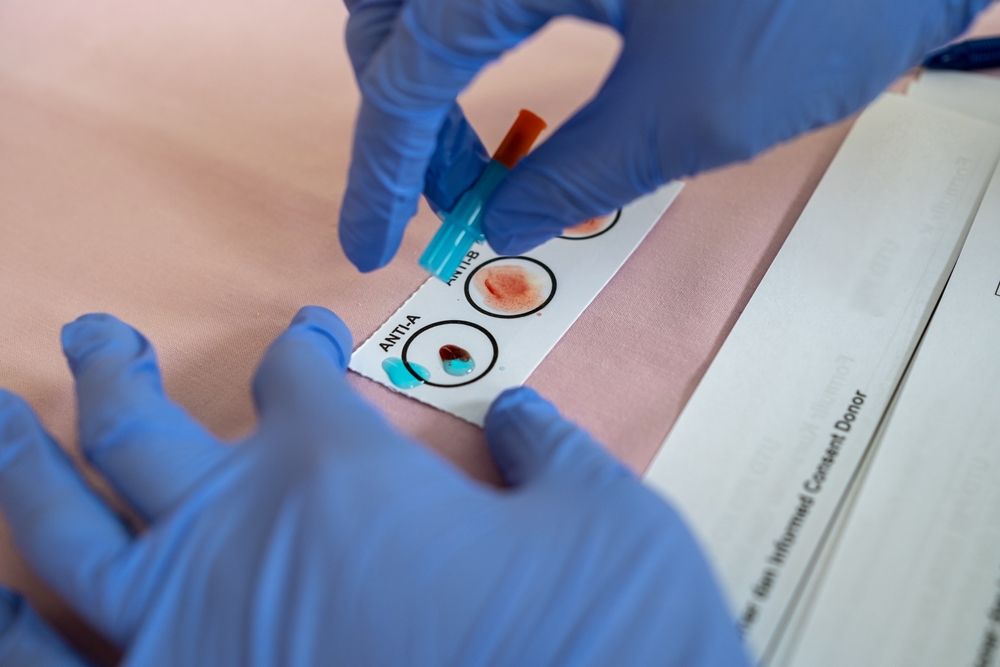
Most of us grow up learning about the basic blood types—A, B, AB, and O—but the truth is far more intricate. These types are just the tip of the iceberg when it comes to understanding human blood. In reality, scientists recognize more than 48 different blood group systems, each determined by a unique set of antigens and antibodies present on the surface of red blood cells. These microscopic markers act like cellular ID cards, helping your immune system identify what belongs and what doesn’t.
The way blood is classified matters deeply, especially when it comes to transfusions. If someone receives blood that doesn’t match their own type, the immune system can treat the donor blood as a threat, launching an aggressive attack. This reaction can lead to serious complications or even death, which is why hospitals take such great care in matching blood types accurately.
These 48 known blood groups extend beyond the ABO and Rh systems and include rare types that are often only discovered when complications arise—such as incompatible transfusions or difficult pregnancies. This complexity is exactly what makes the discovery of a brand-new blood type so extraordinary and medically significant. It’s not just a novelty; it’s a vital clue in the evolving map of human genetics and immunity.
The discovery of the Gwada negative blood type adds a new layer of complexity to this already intricate classification system. It reminds us that our understanding of blood is still evolving, and that there are still mysteries left to uncover within our very veins. With each new discovery, scientists can improve compatibility testing and better prepare for rare cases that might otherwise go undetected.

Meet the Woman With the World’s Rarest Blood
The woman behind this scientific breakthrough isn’t famous, but her genetic profile is making headlines around the world. In 2011, she underwent routine blood work before surgery while living in Paris. Doctors immediately noticed something was off about her results, but at the time, they didn’t have the technological tools to explore it further. The blood didn’t match any known type, leaving scientists intrigued but unable to explain what they had found.
For years, her unique blood remained a mystery, archived as an anomaly. It wasn’t until 2019, nearly eight years later, that researchers at the French Blood Establishment (EFS) decided to revisit the case. Thanks to advancements in gene sequencing and bioinformatics, they were finally able to dig deeper and analyze her DNA. What they found was nothing short of groundbreaking.
They identified a mutation in a gene called PIGZ, which altered the structure and behavior of her red blood cells. This genetic twist created a completely new antigen profile, different from any of the 48 previously known blood groups. They named this new type “Gwada negative,” a nod to her Guadeloupean roots, and noted how beautifully the name resonates across different languages.
This woman’s blood is so unique that it does not match anyone else’s in the global donor database. In other words, she is the only person known to carry this blood type. That makes her case both medically challenging and genetically fascinating, representing a singular instance in medical history.

Why This Discovery Is So Concerning (And Fascinating)
The emergence of the Gwada negative blood type brings both excitement and concern. From a medical perspective, it presents a unique challenge. Blood transfusions are a common and often lifesaving medical procedure, but for this woman, even the so-called universal donor type, O-negative, would trigger a dangerous immune response. Her blood would reject any transfusion unless it came from her own prior donations.
This makes her medically fragile in ways most people never have to consider. Should she ever experience trauma, surgery, or childbirth requiring blood, she would be at an increased risk simply because no compatible blood exists on record. The only solution for her is to donate her own blood in advance and have it stored in case of emergency. It’s a reminder of how much we rely on compatibility and how dangerous it can be when that safety net is missing.
From a scientific viewpoint, the discovery opens new avenues for research in hematology and immunology. Understanding how the PIGZ gene mutation affects red blood cells could offer deeper insights into the mechanics of immune rejection, antigen formation, and genetic blood disorders. Each rare blood type discovered enriches the body of knowledge that doctors and scientists draw upon to treat complex medical cases.
Moreover, this case challenges the assumption that our classification systems are complete. It suggests that there may be other blood types in circulation that have gone undetected, particularly among underrepresented or geographically isolated populations. It’s a powerful example of why continued research and technological innovation in blood science are so important.

Could There Be Others Like Her?
While this woman remains the only confirmed case of Gwada negative blood, scientists believe she may not be entirely alone. The challenge is that extremely rare blood types can easily go unnoticed, especially in people who never undergo extensive medical testing or genetic analysis. The discovery raises the possibility that other individuals with similar genetic mutations exist but remain undiagnosed due to the limitations of routine blood screening.
In particular, researchers are focusing their search on populations with genetic links to Guadeloupe and surrounding regions. The idea is that the mutation may be more common among certain ancestral lines, making targeted genetic studies a promising next step. If more cases are found, it could eventually lead to the identification of a new subgroup within the broader blood classification system.
The story also sheds light on the need for greater diversity in blood donor registries. Many rare blood types are disproportionately found in underrepresented ethnic groups, which makes it harder to find matches when they are needed. By expanding genetic testing and encouraging blood donation across diverse communities, scientists and healthcare providers can improve outcomes for everyone—including those with unidentified rare types.
Ongoing research into rare blood groups is already leading to better screening tools and personalized treatment plans. As we continue to explore the human genome, the chances of identifying similar anomalies will only increase. The woman with Gwada negative blood may be unique for now, but she could also be the beginning of a much larger genetic story waiting to unfold.

What This Means for You (Yes, You!)
At first glance, this story might seem like medical trivia—a quirky headline about a rare case. But it actually holds a more personal lesson for all of us. Your blood type is an important piece of your health puzzle, and knowing it could one day make a life-or-death difference. Whether you’re undergoing surgery, giving birth, or involved in an accident, that simple classification determines what kind of emergency care you can receive.
This discovery also reinforces the importance of being proactive about your health. Just like people track their allergies, medications, or emergency contacts, knowing your blood type should be part of your basic medical awareness. It’s a small but crucial piece of information that can help doctors act quickly and accurately in urgent situations.
If you’re healthy and able, consider becoming a regular blood donor. Donated blood is used in surgeries, cancer treatments, childbirth emergencies, and trauma care every single day. Your contribution might not just save a life—it could be the exact match someone with a rare blood type desperately needs.
On a larger scale, this story is a wake-up call about the need for greater inclusivity in medical research. Genetic diversity isn’t just a matter of curiosity; it’s a cornerstone of good science and compassionate care. By participating in research studies, donating blood, or simply spreading awareness, you can be part of the solution.

Nature’s Rare Blueprint: A Genetic Mystery Still Unfolding
The PIGZ gene, the key to this discovery, plays an essential role in how proteins attach to the surface of red blood cells. It helps form what are known as GPI anchors—specialized structures that act like tiny Velcro strips, holding important proteins in place. When this gene is mutated, those anchors don’t form properly, which means certain antigens may be missing or misconfigured.
In the case of Gwada negative blood, the mutation caused an absence of recognizable antigens. This makes the immune system unable to tolerate even the universal donor blood type, as it still contains markers that her body interprets as foreign. Understanding this mechanism could lead to breakthroughs in transplant compatibility, immune system disorders, and autoimmune diseases.
What makes this discovery even more exciting is its potential to reveal unknown biological mechanisms. If one gene mutation can create an entirely new blood type, what other surprises might the human genome hold? Every rare case like this helps scientists understand the range of human biology and could one day contribute to life-saving therapies or new medical technologies.
The story of Gwada negative is not just a curiosity—it’s a testament to the power of observation, patience, and scientific progress. It reminds us that even the most ordinary medical procedures can sometimes uncover extraordinary truths about who we are and how our bodies work.
What Can You Do To Protect Your Blood Health?
Blood health often doesn’t get the attention it deserves until there’s a problem. But like many aspects of wellness, it benefits greatly from preventive care and everyday habits. Staying hydrated, for instance, helps maintain proper blood volume and circulation. Even mild dehydration can thicken the blood, making your heart work harder to pump it throughout your body.
A well-balanced diet is another cornerstone of strong blood health. Iron-rich foods such as spinach, lentils, and lean meats support red blood cell production and help prevent anemia. Vitamin C also plays a supporting role by enhancing iron absorption, so pairing citrus fruits with your meals can be beneficial. Don’t overlook the importance of folate and vitamin B12 either—both are essential for healthy blood formation.
Beyond nutrition, regular medical checkups and blood tests can help you stay informed about your hemoglobin levels, iron status, and overall health. If you have a family history of blood disorders, genetic testing might offer deeper insights into your unique risk factors. Being informed and proactive makes all the difference.
And finally, if you’re eligible, become a blood donor. The process is safe, quick, and profoundly impactful. Each donation can save up to three lives, and you never know when your particular blood type might be the rare match someone else needs.
