
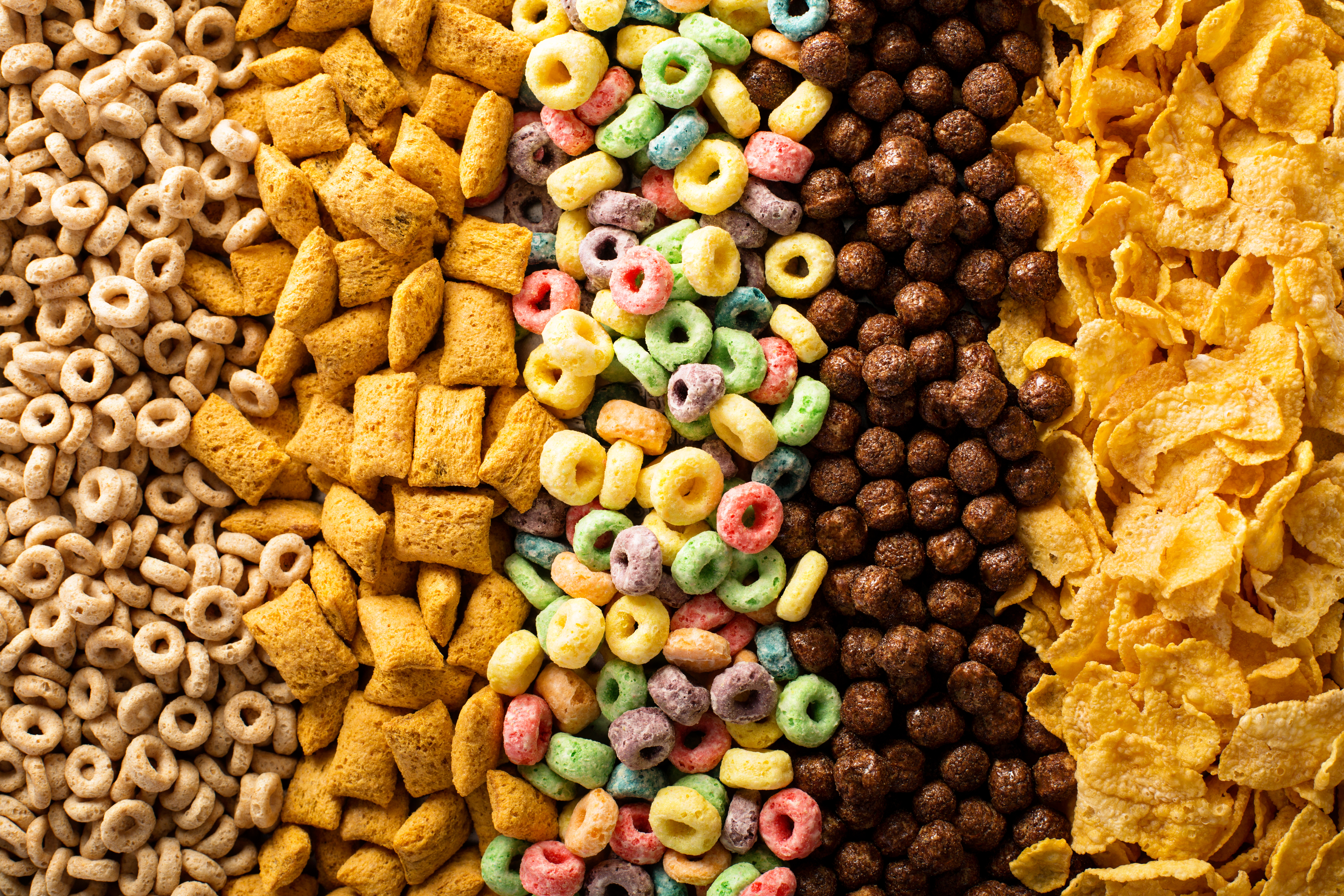
Imagine a world where the food on your plate is as natural as the ingredients in your kitchen. No artificial colors, no synthetic additives—just wholesome, vibrant meals. For many, this might sound like a dream, but for RFK Jr., it’s becoming a mission. In the next two years, he aims to phase out artificial food dyes from the U.S. food supply.
Why does this matter? Artificial food dyes have been under scrutiny for decades, with studies linking them to everything from hyperactivity in children to potential long-term health risks. Yet, despite growing concerns, these dyes remain a staple in many of the foods we eat every day. As a result, RFK Jr.’s plan to eliminate these additives is stirring both excitement and skepticism.
Could this be the first step toward a cleaner, healthier food system? Or will the food industry struggle to adapt to this drastic shift?
The Problem with Artificial Food Dyes

Artificial food dyes have been used in food and beverages for over a century, adding vivid colors to everything from candy and sodas to processed snacks. But while these bright hues may make food more visually appealing, they come with a significant downside. In recent years, numerous studies have raised concerns about the potential health risks posed by these synthetic additives. Research has shown a link between artificial dyes, particularly in children, and issues such as hyperactivity, attention deficits, and behavior problems. The most well-known of these is the controversial study that prompted the European Union to mandate warning labels on products containing certain dyes. These warnings, which are still present on many food items sold in Europe, have sparked questions about whether the U.S. should follow suit.
In addition to concerns about behavioral effects, there are growing fears about the long-term health implications of consuming artificial dyes. Some studies suggest a potential link between artificial colors and certain cancers, although definitive evidence is still lacking.
The American Cancer Society acknowledges that more research is needed but doesn’t rule out the possibility of health risks. Still, many consumer advocacy groups argue that if these dyes are not essential for food, then why take the risk? With increasing consumer demand for healthier and more transparent food options, the pressure is on to reevaluate these long-standing additives in our food system.
While the debate continues in the scientific community, the general public is becoming increasingly aware of the dangers of artificial additives. The rise of clean eating, natural foods, and food transparency is pushing brands to rethink their ingredient lists. In fact, a significant portion of the U.S. population, especially parents, is advocating for stricter regulations. RFK Jr.’s proposal is not just about removing a harmful substance but about making a broader statement about the kind of food system the U.S. should have: one that prioritizes health over convenience.
RFK Jr.’s Vision and the 2-Year Timeline

RFK Jr.’s plan to phase out artificial food dyes within two years is ambitious, but it’s also grounded in a growing movement towards healthier food practices. The timeline is crucial because it reflects the urgency that he and many others feel in addressing the risks associated with these dyes. This plan isn’t just about taking dyes out of the food supply; it’s about changing the way the U.S. views food safety and consumer protection. RFK Jr. has been a vocal critic of the food industry’s reliance on synthetic chemicals and additives, arguing that these ingredients do not belong in foods that are marketed to children. His push for a nationwide ban on artificial food dyes would mark a significant step in reducing these potentially harmful substances in everyday products.
The proposed phase-out plan is likely to involve both legislative action and regulatory oversight. RFK Jr. has expressed his intention to work with policymakers to pass laws that would require food manufacturers to gradually eliminate artificial dyes from their products. This could involve revising existing food safety regulations and setting new standards for food coloring.
Thank you to the hundreds of concerned Americans who rallied outside Michigan headquarters of @KelloggsUS Tuesday, demanding the company remove artificial dyes from its breakfast cereals, including Froot Loops and Apple Jacks. They hand-delivered more than 400,000 petition… pic.twitter.com/OjWEb59nS3
— Robert F. Kennedy Jr (@RobertKennedyJr) October 17, 2024
While some manufacturers may voluntarily choose to reformulate their products, others may need stronger incentives to make the transition. The timeline of two years gives the food industry some time to adjust and find alternatives, but the clock is ticking, and the pressure to act is mounting.
What’s more, RFK Jr.’s plan comes at a time when consumer awareness of food ingredients has never been higher. With increasing concerns over food labels, additives, and potential risks, many people are looking for safer, more natural options. His proposal has already sparked a national conversation about the role of artificial ingredients in our food, especially in products aimed at children. If his plan succeeds, it could set a precedent for future food reform efforts, paving the way for more stringent regulations on other harmful additives. Whether or not the full phase-out will happen remains to be seen, but the momentum behind the idea is undeniable.
The Science Behind Artificial Food Dyes
A new report, described as “the most rigorous assessment of the behavioral effects of food dyes ever conducted,” is based on a review of the results of 27 clinical trials in children performed on four continents over the last 45 years. #TheDefender https://t.co/TB4NzOUt9m
— Robert F. Kennedy Jr (@RobertKennedyJr) May 11, 2021
The scientific community has long debated the health impacts of artificial food dyes, with a range of studies highlighting various potential concerns. One of the primary reasons these synthetic additives are under scrutiny is their possible link to hyperactivity in children. The 2007 study published in The Lancet found a significant connection between artificial food colors and hyperactivity in children, leading to increased calls for stricter regulations in countries around the world. In the U.S., however, these findings have been met with resistance, and the Food and Drug Administration (FDA) has continued to approve artificial food dyes for use in foods, despite mounting pressure from advocacy groups and some health experts.
While the connection between food dyes and behavioral issues remains inconclusive, there is a broader body of evidence suggesting that artificial dyes may be harmful over the long term. For instance, certain artificial dyes, such as Red 40 and Yellow 5, have been shown to cause allergic reactions in sensitive individuals. These reactions can range from mild symptoms like itching and rashes to more severe reactions, including asthma attacks and anaphylaxis in rare cases.
Furthermore, animal studies have raised concerns about the potential carcinogenic effects of artificial food dyes, though no direct causal link has been established in humans. Despite this uncertainty, many experts agree that reducing exposure to these synthetic additives could help protect vulnerable populations, such as children and individuals with sensitivities.
Beyond the potential health risks, there is also growing evidence to suggest that artificial food dyes may not be as necessary as they once were. In recent years, food manufacturers have begun experimenting with natural colorants derived from fruits, vegetables, and other plant-based sources. These natural alternatives, which are often safer and better for the environment, are gaining popularity among consumers who are increasingly conscious of what goes into their food. While natural dyes may not always produce the same vibrant colors as synthetic ones, many companies are finding creative ways to use them without compromising on the look and feel of their products. The rise of clean labels and the shift toward natural ingredients suggest that the days of relying on artificial dyes may be numbered.
The Public’s Response and Industry Impact

The public’s response to RFK Jr.’s proposal has been largely positive, with many applauding his commitment to improving the food system and prioritizing public health. Consumer groups, health advocates, and parents have long been calling for stricter regulations on artificial additives, and RFK Jr.’s plan provides a sense of hope that change is finally on the horizon. For years, parents have been frustrated by the fact that many popular foods still contain harmful artificial ingredients, despite widespread knowledge of their potential risks. RFK Jr.’s stance on phasing out artificial food dyes resonates deeply with these concerns and has sparked a groundswell of support among health-conscious individuals who want safer, more natural food options.
However, not everyone is in favor of RFK Jr.’s proposal. Critics argue that the plan may disrupt the food industry and could lead to increased costs for manufacturers, which could, in turn, raise prices for consumers. Some in the food industry also question whether the removal of artificial food dyes will have a measurable impact on public health, especially since many of the claims about the health risks of these dyes remain inconclusive. Despite these concerns, RFK Jr. and his supporters maintain that the move is not just about food safety but about shifting the broader food culture toward healthier and more transparent practices. As public awareness of food quality continues to rise, the demand for safer products may force manufacturers to adapt, even if they are initially resistant to change.
The food industry’s response to this proposal will likely shape the future of food reform efforts in the U.S. Companies may need to invest in reformulating products to use natural alternatives, and some may look to improve their labeling practices to be more transparent with consumers. While there may be challenges in making the switch, the success of this initiative could set the stage for even more sweeping changes in food regulation, such as bans on other harmful chemicals or additives. As RFK Jr.’s plan gains momentum, it will be interesting to see how both the food industry and the public respond to these evolving demands for healthier, more sustainable food systems.
What This Means for the Future of Food and Health in the U.S.

The potential phase-out of artificial food dyes in the U.S. represents a significant shift in how we approach food safety and public health. If successful, RFK Jr.’s plan could be a major victory for consumers who have been advocating for cleaner, safer ingredients in their food. Phasing out artificial dyes could help reduce the long-term health risks associated with these substances, particularly for vulnerable populations like children. It would also signal a broader commitment to improving the quality of the food supply and prioritizing public health over corporate profits.
However, the impact of this change will likely go beyond the removal of dyes alone. If RFK Jr.’s plan succeeds, it could set the stage for even more stringent regulations on other harmful additives and chemicals. The public’s increasing demand for transparency in food labeling, combined with the growing popularity of natural and organic products, suggests that the future of food in the U.S. will be shaped by a focus on health, sustainability, and ethics. This move could also inspire other countries to follow suit, contributing to a global trend of food reform and healthier eating habits.
The future of food in the U.S. looks promising, but it will require a concerted effort from consumers, regulators, and food manufacturers to ensure that these changes are implemented effectively. RFK Jr.’s proposal may be just the beginning of a larger movement toward cleaner, healthier food systems—one that prioritizes human well-being over corporate interests. As we continue to learn more about the impact of artificial ingredients on our health, the push for safer, more natural food options will only grow stronger.
