
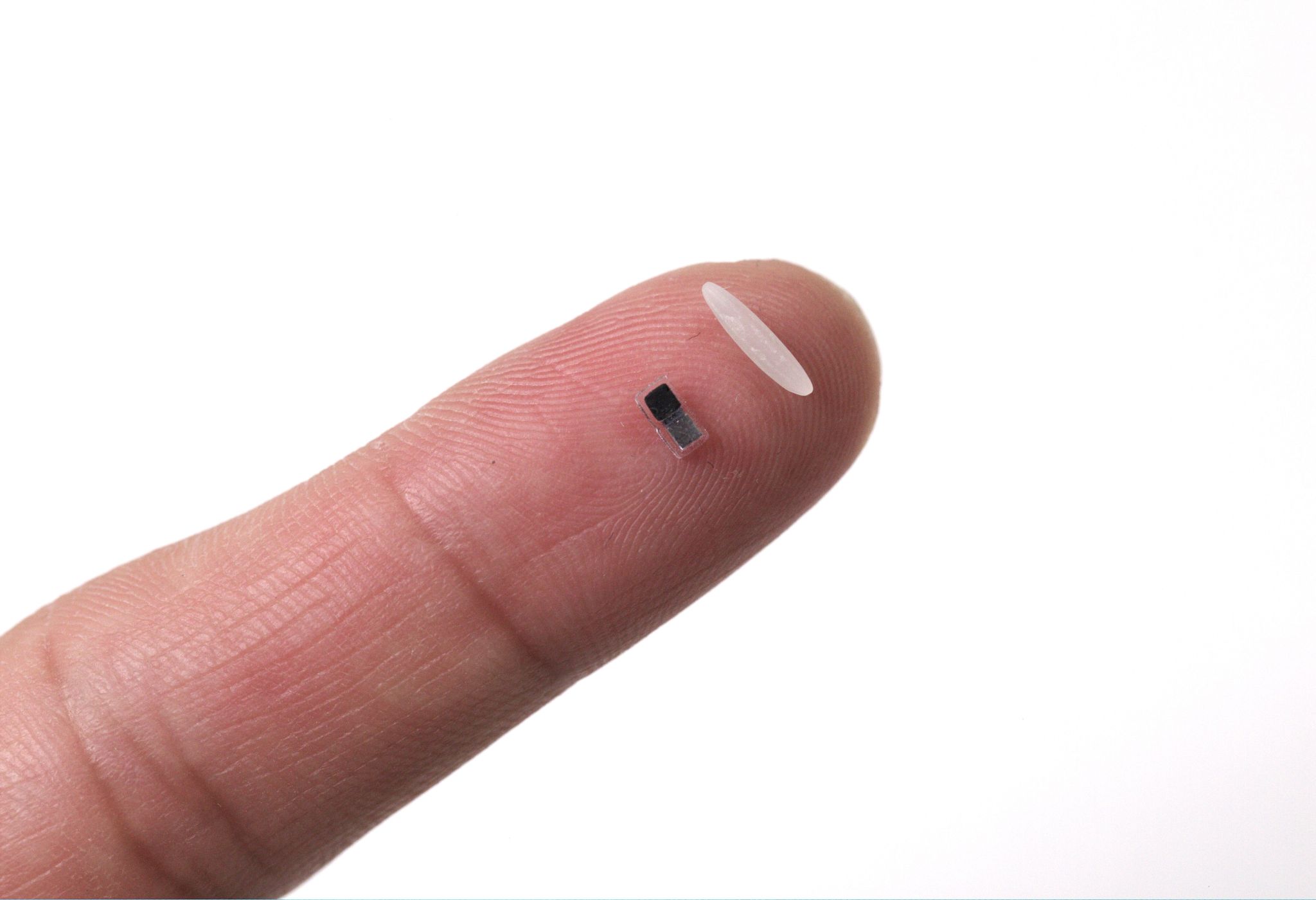
Pacemakers are life-saving devices that regulate the heart’s rhythm, helping millions of people worldwide. Traditionally, these devices involve invasive procedures, wires, and external power sources. But now, a groundbreaking innovation is changing the game: a pacemaker the size of a grain of rice that requires no surgery, contains no wires, and can dissolve into the body once it’s no longer needed.
This tiny, wireless pacemaker is a major leap forward in cardiac care, offering a safer, more efficient alternative to traditional devices. It’s a development that could transform not just heart health, but open up new possibilities in medical technology as a whole. In this article, we’ll take a closer look at how this new pacemaker works, the real-world benefits it promises, and the potential impact on future treatments for heart patients.
The Current Landscape of Pacemakers

Pacemakers have been a staple in heart medicine for decades, providing life-saving support to people with arrhythmias, heart attacks, or other conditions that cause the heart to beat irregularly. These devices are typically implanted under the skin of the chest and send electrical signals to the heart to keep it beating at a normal rhythm. For many, pacemakers are a long-term solution, but for others, especially those recovering from surgery or congenital heart defects, temporary pacemakers are needed.
Currently, temporary pacemakers are often implanted during surgeries to assist in the recovery process. These devices help stabilize the heart’s rhythm after procedures such as bypass surgery, valve replacements, or the treatment of congenital heart defects in children. However, there are significant challenges with the current technology.
Temporary pacemakers typically require invasive procedures to implant. Surgeons need to sew electrodes into the heart, and wires are connected to an external device, which is often worn on the patient’s chest. Once the pacemaker is no longer needed, these wires must be carefully removed.

In some cases, removing these wires can cause complications, including infections, internal bleeding, or even damage to the heart muscle. This is particularly concerning in the case of children or individuals with fragile heart conditions.
In fact, the risks associated with the removal of these temporary devices were tragically highlighted when Neil Armstrong, the first person to walk on the moon, passed away in 2012 after complications from his temporary pacemaker. His story underscores the importance of finding safer, less invasive alternatives for heart patients, particularly when dealing with temporary pacemaker needs.
While the current devices save lives, their limitations in terms of invasiveness and potential for complications have sparked interest in finding new, more efficient solutions. This is where the new rice-sized, dissolvable pacemaker comes into play—offering a safer, less invasive option for patients in need of temporary heart regulation.
A Game-Changing Pacemaker: Tiny, Wire-Free, and Dissolvable

In a remarkable advancement, scientists have developed a pacemaker that could fundamentally change how heart conditions are treated. Unlike its traditional counterparts, this new pacemaker is about the size of a grain of rice, making it far smaller than anything previously seen in medical technology. What sets it apart, however, isn’t just its size—it’s the fact that it operates without wires, requires no surgery, and dissolves into the body once its job is done.
This breakthrough addresses several critical challenges that traditional pacemakers present. First, it eliminates the need for invasive surgery to implant or remove the device. Traditional pacemakers often require surgeons to make incisions to implant the device and then perform another procedure to remove it once it’s no longer necessary. With this new pacemaker, the process is far simpler. The device is small enough to be injected through a syringe, and it’s designed to dissolve safely in the body when it’s no longer required, eliminating the need for further surgeries or complex procedures.
The new pacemaker is also wire-free. Traditional pacemakers require wires to connect the device to the heart. These wires can be prone to complications, such as infection or dislodging, especially when removed. By eliminating the wires, the new pacemaker removes these risks entirely, providing a safer and more comfortable experience for patients.
Experts in the field have called this development a “transformative breakthrough.” It represents a major step forward not only for pacemaker technology but also for medical devices in general, offering a new approach to treating heart conditions with minimal risk and greater ease. With its compact design, the pacemaker is particularly well-suited for patients who require temporary support, such as those recovering from surgery or dealing with congenital heart defects.
How the New Pacemaker Works
The innovation behind this new pacemaker is truly groundbreaking. While traditional pacemakers rely on implanted wires and external power sources, this device uses a completely different approach that eliminates the need for wires or bulky power packs. Instead, it is powered by the body’s own fluids.
At just 1 millimeter thick and 3.5 millimeters long, the pacemaker is small enough to fit in the tip of a syringe. This tiny device is embedded with electrodes that, when exposed to the body’s natural fluids, generate an electrical current. This current is then used to deliver the necessary electrical pulses to regulate the heart’s rhythm. The pacemaker does not require any external power sources or wires, making it an incredibly efficient and safe option for patients.
What makes this pacemaker even more remarkable is how it is controlled. The device is paired with a soft, flexible patch worn on the patient’s chest. This patch detects irregular heartbeats, and when it senses an issue, it emits flashes of near-infrared light that communicate wirelessly with the pacemaker. These light pulses instruct the pacemaker on when and how to deliver the necessary electrical signals to the heart. This system allows the pacemaker to function autonomously, responding to the heart’s needs in real time, without the need for any invasive procedures.
Moreover, once the pacemaker has done its job and the patient’s heart has recovered, it dissolves naturally within the body. This bioresorbable feature eliminates the need for any follow-up surgeries to remove the device, which is a significant advantage over traditional pacemakers that require surgical removal.
This novel design makes the pacemaker particularly beneficial for pediatric patients, especially those born with congenital heart defects, as well as adults recovering from heart surgery. By reducing the need for invasive procedures and the risks associated with wire-based systems, this pacemaker offers a much safer and more patient-friendly alternative.
Transforming Patient Care

The introduction of this new pacemaker has far-reaching implications for both pediatric and adult patients, particularly those who require temporary cardiac support. Below are some of the key impacts and benefits this groundbreaking technology offers:
1. Improved safety for pediatric patients
Around 1% of babies are born with congenital heart defects, which often require immediate corrective surgery. These children typically need temporary pacemakers for just a short period. Traditional pacemakers can be risky for such small patients due to the invasive nature of the procedure and the complications associated with device removal. The new dissolvable pacemaker eliminates the need for surgery, offering a much safer, minimally invasive alternative. Once the heart heals, the pacemaker simply dissolves, reducing the risks associated with traditional pacemaker removal.
2. Fewer complications for adult heart surgery recovery
For adults recovering from heart surgery, traditional temporary pacemakers require external devices and wires, which increase the risk of infection, dislodgement, and injury to the heart muscle. With the new pacemaker, these risks are minimized. The device is wire-free and dissolves after use, meaning there is no need for a second surgical procedure to remove it.
3. Simplified recovery process
Since the pacemaker requires no surgical removal and is controlled wirelessly, patients can avoid the frequent hospital visits that are typically required for adjustments or removals of traditional pacemakers. This simplifies the recovery process, making it more convenient for the patient.

4. No surgery for device removal
One of the major advantages of the new pacemaker is that it dissolves naturally once its job is done. This means patients do not need to undergo a second invasive procedure to have the pacemaker removed, which can be a source of risk and stress with traditional devices. The dissolving feature also reduces the overall healthcare burden, as fewer procedures are required.
5. Lower risk of complications
Traditional pacemakers can cause complications, such as internal bleeding, when the wires are removed. This was tragically seen in the case of Neil Armstrong, whose temporary pacemaker removal led to fatal internal bleeding. The new pacemaker eliminates this risk entirely, providing a safer alternative for patients.
In conclusion, the new pacemaker not only simplifies patient care but also reduces risks and opens the door for new medical applications, making it a promising advancement for both heart health and broader healthcare.
A New Era in Heart Health

The development of this rice-sized, wire-free pacemaker marks a significant leap in medical technology. By eliminating the need for surgery, wires, and follow-up procedures, it offers a safer, more efficient solution for patients who need temporary cardiac support. Its innovative design not only simplifies recovery but also opens up possibilities for applications in other areas of medicine, such as nerve regeneration and wound healing.
As researchers continue to refine the technology and move toward human clinical trials, the future of pacemakers and other medical devices looks promising. This breakthrough could be a game-changer in how we approach heart health and medical treatments, making them less invasive, more accessible, and ultimately safer for patients.
The possibilities are vast, and as this technology evolves, it could set the stage for a new era of personalized, minimally invasive healthcare—one where the body is supported by devices that work in harmony with it, offering targeted treatments with fewer risks and faster recovery times.
Featured Image Source: John A. Rogers on LinkedIn
Source:
- Zhang, Y., Rytkin, E., Zeng, L., Kim, J. U., Tang, L., Zhang, H., Mikhailov, A., Zhao, K., Wang, Y., Ding, L., Lu, X., Lantsova, A., Aprea, E., Jiang, G., Li, S., Seo, S. G., Wang, T., Wang, J., Liu, J., . . . Rogers, J. A. (2025). Millimetre-scale bioresorbable optoelectronic systems for electrotherapy. PubMed, 640(8057), 77–86. https://doi.org/10.1038/s41586-025-08726-4
