
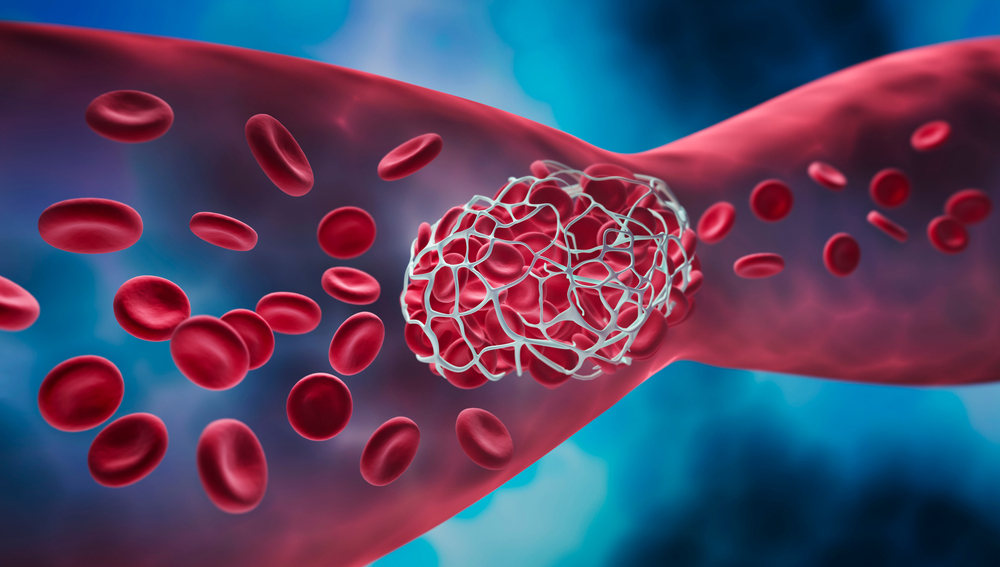
Coughing up blood can happen for several reasons, ranging from infections to more serious conditions, and it is always considered a sign that requires medical evaluation. But in one rare case from California, the symptom presented in an entirely unexpected way. A 36-year-old man with advanced heart failure coughed up a blood clot that wasn’t just a mass of tissue—it had formed in the exact shape of the airways of his right lung. His medical team at the University of California, San Francisco described the event as extremely rare and published the case in The New England Journal of Medicine.
This unusual case quickly drew international attention because it highlighted not only the severity of the patient’s condition but also how unpredictable the body can be under the stress of disease and treatment. For doctors, it was more than just an odd occurrence; it offered an opportunity to study how heart failure, medical devices, blood thinners, and infections can interact in ways that lead to unexpected outcomes. For readers, it’s an example of why paying attention to symptoms and understanding the complications of chronic illness is so important.

What Happened in the Case
The patient was living with chronic heart failure, a condition where the heart muscle can no longer pump enough blood to support the body’s needs. In his case, the disease was so advanced that doctors implanted a ventricular assist device, or VAD. This mechanical pump takes over part of the heart’s workload and is often used for patients waiting for a heart transplant or those who need long-term support. While the device can be lifesaving, it also raises the risk of blood clots forming inside the body. To reduce that risk, patients are put on blood-thinning medication.
Blood thinners are critical for preventing dangerous clots in the bloodstream, but they also increase the chance of internal bleeding. For this man, the most visible side effect was bleeding into the lungs, which caused several episodes where he coughed up smaller amounts of blood. These incidents were concerning but manageable under close monitoring. Then, during one extreme coughing episode, something highly unusual happened: he expelled an intact blood clot in the exact shape of the right bronchial tree. This clot wasn’t just a small fragment—it had the branching structure of the tubes that carry air through the lungs, a perfect cast of the lung’s internal airways.
According to Dr. Georg Wieselthaler, the cardiothoracic surgeon who oversaw the patient’s care, the entire medical team was stunned by the event. Speaking with The Atlantic, he said, “We were astonished. It’s a curiosity you can’t imagine.” He explained that bronchial casts are sometimes made of mucus or lymphatic material, but blood almost never forms such a detailed structure because it usually breaks apart under the force of coughing. In this case, the man’s lung infection may have raised levels of fibrinogen, a protein that strengthens blood clots, which likely helped the clot keep its shape long enough to be expelled in one piece.
Why This Was So Rare
Bronchial casts themselves are rare in medicine, and when they do appear, they are almost always made from thick mucus or other secretions that can solidify inside the lungs. These materials are sticky and can form molds of the airways more easily. Blood, however, is more fragile and prone to breaking apart, especially when pushed out of the lungs during the forceful act of coughing. This is why doctors found the complete cast of a blood clot so remarkable. It held together in a way that is almost never seen, making the case unique enough to be featured in a leading medical journal.
The clot provided a remarkably detailed view of the bronchial tree, something usually only visible through imaging scans or anatomical dissection. To have the body produce a mold of its own airway passages was extraordinary from a clinical perspective. Dr. Gavitt Woodard, a clinical fellow at UCSF who co-authored the case report, explained that one reason for publishing the image was to show the anatomical clarity it offered. For medical professionals, it served not only as a curiosity but as a clear, physical example of how disease processes can sometimes create unusual and informative outcomes.
For the patient, however, the clot was less of a turning point and more a reflection of his already fragile health. The episode did not directly worsen his condition, but it illustrated the stress his body was under. He did not have further episodes of coughing up large clots, but his severe heart failure remained the dominant issue. Unfortunately, only a week after this event, he passed away due to complications of his underlying disease. The clot became a symbol of how unpredictable severe illness can be, but it was not the cause of his death.

Living With Advanced Heart Failure
Heart failure affects millions of people worldwide and remains one of the leading causes of hospitalization. For patients with advanced cases, the condition significantly limits quality of life and requires intensive medical support. Devices like ventricular assist devices are often the only option to keep patients alive while they wait for a heart transplant or to help them manage long term. But these devices are not without challenges. They carry risks of blood clots, bleeding, and infections, all of which require constant monitoring and adjustment of treatment.
Blood-thinning medication is a cornerstone of managing patients with these devices. The doses must be carefully balanced—too little, and clots can form that could block blood flow to critical organs; too much, and bleeding complications arise, such as internal hemorrhage or, as in this case, bleeding into the lungs. For patients, this means living with frequent monitoring, regular hospital visits, and the awareness that their condition is medically complex and can change quickly.
This case underscores the fragile balance doctors must strike when treating advanced heart failure. The expelled clot was a dramatic event, but it was just one of many complications that can occur in patients living with severe cardiovascular disease. Even with advanced technology and attentive care, these patients often remain at high risk. The patient’s outcome shows how difficult it is to control every variable in such complex conditions.
What We Can Take Away
For healthcare providers, unusual cases like this are important to document and share. They expand medical knowledge and help doctors recognize rare possibilities that may appear in future patients. Even though such a case may never be seen again, publishing it adds to the collective understanding of how illness, infection, and medical treatment can interact in unexpected ways.
For the public, this story highlights the importance of not ignoring serious symptoms. Coughing up blood, no matter how small the amount, should always be taken seriously and evaluated by a healthcare professional. While most cases will not lead to anything as dramatic as a bronchial cast, they can still point to underlying conditions that require urgent treatment.
The patient’s case was tragic, but it also serves as an educational reminder. Living with advanced heart or lung disease means managing risks that can change suddenly. Understanding those risks and staying in close contact with healthcare providers is key. This case also shows how medicine is not only about treating illness but also about continuously learning from each patient’s experience to improve care for the future.
