
Ozempic has become one of the most recognisable names in modern medicine. In just a few years, the injectable drug has moved from diabetes clinics into mainstream conversation, celebrity interviews, workplace chatter, and social media feeds. For many people, it represents hope. Hope of weight loss after years of struggle, hope of better blood sugar control, and hope of reclaiming a sense of control over their health.
As success stories multiplied, so did the number of people starting treatment. With that rapid rise has come a growing list of side effects that users compare, discuss, and sometimes joke about online. Most people are familiar with the nausea, appetite suppression, and digestive discomfort often associated with Ozempic. Fewer expected that their teeth and gums might also be affected.
Recently, a new phrase has entered the conversation. People are calling it “Ozempic teeth.” While it may sound alarming, dentists and medical experts say the reality is more nuanced. Ozempic does not directly damage teeth. Instead, the drug’s effects on digestion, saliva, appetite, and nutrition can quietly change the oral environment in ways that increase dental risk over time.
This article takes a closer look at what Ozempic teeth really means, why dentists are seeing more cases, how everyday habits can amplify or reduce the risk, and what people taking weight loss injections can do to protect their smiles without giving up the benefits of treatment.
What Is Ozempic and How Does It Work in the Body?
Ozempic, known medically as semaglutide, is part of a class of medications called GLP-1 receptor agonists. These drugs mimic a hormone naturally produced in the gut that helps regulate blood sugar, appetite, and digestion.
In people with type 2 diabetes, Ozempic helps the body release insulin more effectively while reducing the amount of sugar released by the liver. At the same time, it slows gastric emptying, meaning food leaves the stomach more slowly. This delay contributes to feelings of fullness that last longer after meals.
Those same mechanisms explain why Ozempic has become widely used for weight loss. By reducing appetite and increasing satiety, many people naturally consume fewer calories without the constant hunger that often undermines dieting attempts. For individuals who have struggled with obesity, this can feel revolutionary.
However, slowing digestion and suppressing appetite also affects how often people eat, how much they drink, and how their digestive system behaves. These changes do not stop at the stomach. Over time, they can influence hydration levels, saliva production, and exposure of the teeth to acid.
Why the Term “Ozempic Teeth” Started Gaining Attention

The phrase Ozempic teeth did not originate in medical textbooks. It emerged organically from patient experiences, dental observations, and online discussions. People began noticing patterns: increased tooth sensitivity, persistent dry mouth, bad breath that did not improve with brushing, and dental check-ups that suddenly revealed erosion or cavities.
Dentists, particularly those in cosmetic and restorative practices, started hearing similar stories from multiple patients taking GLP-1 medications. While each symptom on its own is common, the clustering of issues in otherwise healthy adults raised questions.
It is important to clarify that Ozempic does not rot teeth or dissolve enamel directly. The medication sets off a chain reaction of side effects and lifestyle changes that, when combined, can increase vulnerability in the mouth. The term Ozempic teeth has simply become a shorthand way of describing that pattern.
Dry Mouth and Why It Causes So Many Problems

Dry mouth, or xerostomia, is one of the most frequently reported oral complaints among Ozempic users. Saliva plays a crucial role in oral health, yet many people underestimate its importance until it is reduced.
Saliva helps cleanse the mouth by washing away food debris and bacteria. It neutralises acids produced by plaque and delivers minerals that strengthen enamel. It also keeps oral tissues lubricated and comfortable.
When saliva production drops, the balance in the mouth shifts. Acids linger longer on tooth surfaces. Bacteria multiply more easily. Plaque builds up faster. Over time, this environment increases the risk of cavities, gum disease, oral infections, and bad breath.
Ozempic users may experience dry mouth for several reasons. Appetite suppression often leads to reduced food intake, which means less chewing and less stimulation of the salivary glands. Some people also drink less water because they feel full more quickly. In addition, nausea can discourage regular hydration.
What starts as mild dryness can gradually become a persistent issue if not addressed.
Acid Reflux, Nausea, and the Slow Damage to Enamel

Another major contributor to Ozempic teeth is stomach acid. Ozempic slows gastric emptying, which can increase pressure in the stomach and lead to acid reflux. This occurs when acidic stomach contents travel back up into the oesophagus and sometimes into the mouth.
Nausea and vomiting are also common, particularly when starting treatment or increasing dosage. Each episode exposes teeth to highly corrosive acid.
Stomach acid is far stronger than most acidic foods or drinks. Repeated exposure can gradually erode enamel, the hard outer layer of the teeth. Once enamel is lost, it does not regenerate.
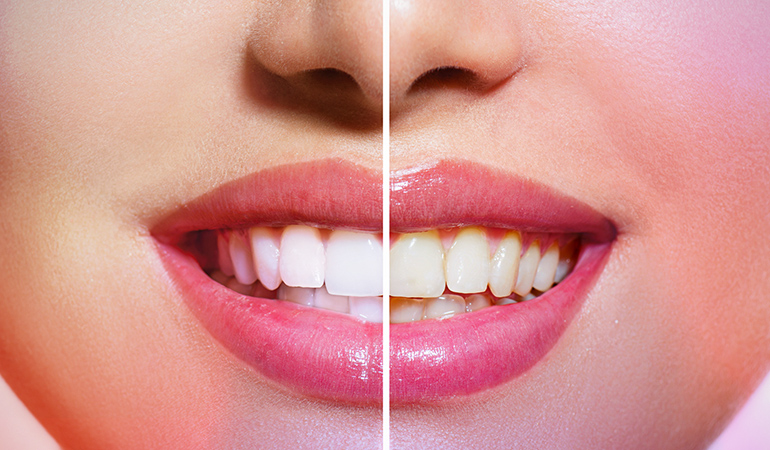
Early erosion is often painless and invisible. Over time, people may notice sensitivity to hot, cold, or sweet foods. Teeth may appear thinner, shorter, or more yellow as the underlying dentin becomes visible. In advanced cases, teeth become more prone to cracking or breaking.
This slow, cumulative damage explains why some patients are surprised when dentists identify erosion months or years after starting Ozempic.
Eating Less, Weight Loss, and Unexpected Dental Risks

It may seem logical that eating less would reduce dental problems. In reality, the opposite can sometimes occur.
Chewing stimulates saliva production. Regular meals help maintain a stable oral environment. When people eat less frequently, saliva flow may decrease, allowing acids to remain on tooth surfaces for longer periods.
Rapid weight loss can also affect nutrition. Some Ozempic users unintentionally reduce intake of essential vitamins and minerals, including calcium and vitamin D. These nutrients are critical for maintaining strong teeth and healthy jawbone.
Dentists have also observed that significant weight loss can alter gum tissue and facial structure. In some cases, gums may become more prone to inflammation or recession, particularly when combined with dry mouth and plaque accumulation.
Bad Breath, Taste Changes, and Everyday Embarrassment

For many people, the most socially uncomfortable aspects of Ozempic teeth are not visible on X-rays but felt in daily interactions.
Reduced saliva allows odour-causing bacteria to thrive, leading to persistent bad breath. Slowed digestion may also contribute to unpleasant smells caused by food fermenting in the stomach, sometimes escaping through burps or reflux.
Some users report changes in taste, including metallic flavours or a diminished enjoyment of food. These changes can affect appetite, hydration, and diet choices, further complicating oral health.
The psychological impact should not be underestimated. People who feel self-conscious about their breath or teeth may avoid social situations, smile less, or experience anxiety around dental visits and costs.
The Emotional Side of Discovering Dental Side Effects

For individuals who have struggled with weight or diabetes for years, Ozempic can feel like a breakthrough. Discovering dental problems along the way can feel unfair or even frightening.
Some patients worry they must choose between physical health and oral health. Others fear long-term damage or expensive dental treatments they did not anticipate.
Experts emphasise that these feelings are understandable but often unnecessary. Most Ozempic-related oral issues are manageable, especially when identified early.
How Dentists Repair Damage Linked to Ozempic Use
Modern dentistry offers a wide range of options for repairing and protecting teeth affected by erosion, decay, or gum disease.
Mild enamel loss can often be treated with composite bonding, a minimally invasive procedure that rebuilds tooth structure using tooth-coloured resin.
More extensive damage may require porcelain veneers or crowns to restore strength, function, and appearance. In cases where multiple teeth or the bite are affected, full-mouth rehabilitation may be recommended.
Dentists consistently stress that early intervention leads to simpler treatment and better outcomes. Regular check-ups allow problems to be addressed before they become severe.
Everyday Steps That Can Make a Big Difference

Awareness is one of the most powerful tools for prevention. People taking Ozempic or other GLP-1 medications can protect their oral health with practical daily habits.
Staying hydrated throughout the day supports saliva production and reduces dryness. Sipping water frequently is more effective than drinking large amounts occasionally.
Sugar-free gum or lozenges can stimulate saliva flow. Fluoride toothpaste and fluoride rinses help strengthen enamel and protect against cavities.
After vomiting, it is important to rinse the mouth with water or a fluoride mouthwash and wait at least 30 to 60 minutes before brushing. This allows enamel to reharden and prevents further damage.
Limiting acidic foods and drinks, maintaining consistent oral hygiene, and informing dentists about all medications being taken are essential preventive measures.
Some patients may benefit from saliva substitutes, prescription fluoride treatments, or night guards if teeth grinding is present.
Should Ozempic Users Be Worried About Their Teeth?
Medical and dental professionals agree that Ozempic remains an important medication for many people. No one should stop or change prescribed treatment without consulting their healthcare provider.
The emergence of Ozempic teeth highlights the importance of whole-body care rather than a reason for alarm. Understanding potential side effects allows patients to act early and avoid complications.
A Reminder That Oral Health Reflects Overall Health
The conversation around Ozempic teeth underscores a broader truth. The mouth is deeply connected to the rest of the body. Changes in digestion, nutrition, and metabolism often show up there first.
For patients, the key takeaway is empowerment. With awareness, preventive care, and open communication with healthcare providers, it is possible to enjoy the benefits of modern weight loss medications while protecting long-term oral health.
Ozempic may be changing lives in meaningful ways. With the right attention and care, it does not have to change smiles for the worse.
