
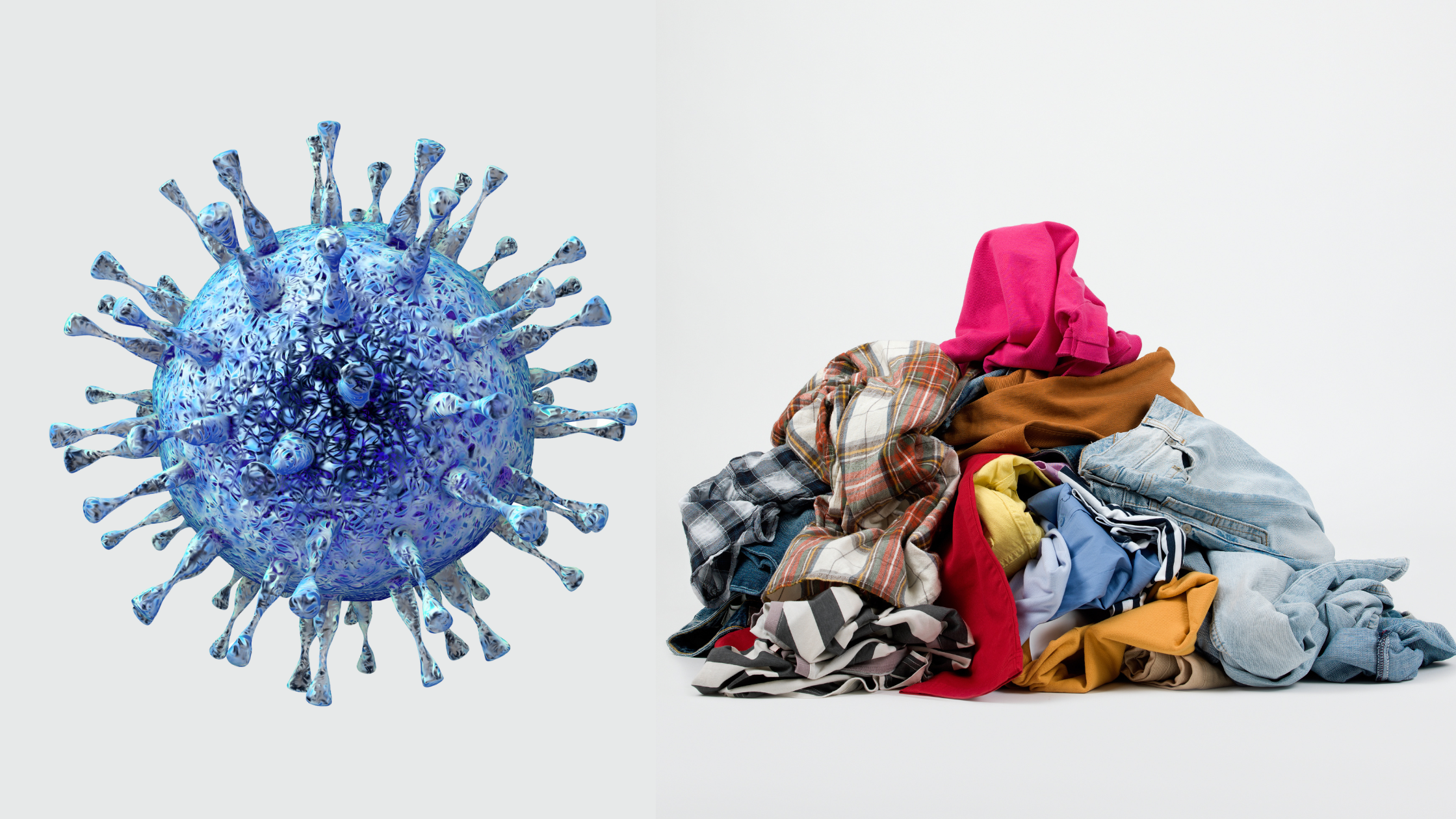
As the chill of winter sets in, a familiar foe lurks not just in the air or on the frequently touched surfaces like doorknobs and countertops, but in a place you might least expect—our clothes and soft furnishings. Norovirus, often brushed off as a mere seasonal nuisance, is making a concerning comeback, with a twist in its transmission that could affect anyone, anywhere. Known for causing the dreaded “winter vomiting bug,” this resilient virus has found a way to cling to fabrics, from the sweater you cozy up in, to the sofa you relax on, creating a hidden reservoir of infection.
How does a virus renowned for its impact on stomachs find a stronghold in our wardrobes and living rooms? And more importantly, what can we do to safeguard our homes and health against this invisible invader?
Understanding Norovirus
Norovirus, a term often synonymous with the distress of gastroenteritis, strikes swiftly and spreads easily, making it a formidable challenge especially in cooler months when people gather indoors. Commonly labeled as the ‘winter vomiting bug’, norovirus can incapacitate a healthy adult within hours of exposure, showcasing symptoms that include severe vomiting, nausea, diarrhea, and stomach cramping. While the discomfort typically wanes within a couple of days, the virus’s capacity to inflict a higher toll on vulnerable groups such as the elderly, young children, and those with weakened immune systems cannot be underestimated.
The mechanics of norovirus transmission are alarmingly efficient. The virus can linger on surfaces, thrive on unwashed hands, and even spread through the air via tiny droplets when an infected person vomits or flushes a toilet. Its resilience is further demonstrated by its ability to survive on fabric surfaces—clothes, furniture upholstery, and curtains—for up to a month. This persistence in various environments makes norovirus not only a personal concern but a public health puzzle.
“Anything that comes into contact with your clothes is going to stick to them,” explains Jason Tetro, a microbiologist and author, emphasizing the fabric’s role as a vector for the virus. He further elaborates, “Norovirus [can] survive an entire month in pretty much any condition,” highlighting the virus’s tenacious nature and the challenge it poses in communal and residential settings.
Impact of Norovirus on Public Health

The resurgence of norovirus not only disrupts daily life but also exerts considerable pressure on public health systems, particularly during the peak of flu season. Recent data from health authorities highlights a 40 percent increase in cases compared to previous years, signaling an alarming trend that could strain healthcare services further. Hospitals, already burdened by typical seasonal illnesses, face additional challenges as norovirus infections necessitate isolation of patients to prevent widespread outbreaks, which can lead to ward closures and limited availability of hospital beds.
The impact extends beyond the healthcare facilities. According to NHS data, “528 hospital beds in England were filled each day last week by patients with diarrhea and vomiting or norovirus-like symptoms,” showcasing the substantial resources required to manage such outbreaks. This figure represents a significant rise from the previous year, underscoring the escalating challenge that norovirus presents in clinical settings.
Norovirus outbreaks are particularly concerning in environments such as care homes, schools, and cruise ships, where close quarters facilitate the rapid spread of the virus. Outbreaks in these settings can be devastating, requiring rigorous cleaning protocols and often resulting in temporary closures or quarantines.
The public’s role in mitigating the spread of norovirus cannot be overstated. Health experts consistently emphasize the importance of basic hygiene measures, particularly handwashing. “Health chiefs already advise against relying on hand sanitizers alone to guard against transmission — as alcohol doesn’t kill off the bug,” a point stressed by public health advisories, highlighting the limitations of common sanitization practices against norovirus.
Challenges in Controlling Norovirus Spread

Controlling the spread of norovirus presents significant challenges due to its highly contagious nature and robust survival capabilities in various environments. One of the primary difficulties in managing norovirus outbreaks is its incredible resilience on surfaces, particularly on fabrics. As noted by microbiologist Jason Tetro, “Norovirus [can] survive an entire month in pretty much any condition,” which complicates efforts to eradicate the virus from public and private spaces effectively. This enduring viability means that the virus can linger on surfaces long after initial contamination, awaiting contact with a new host.
The virus’s ability to spread rapidly through both direct contact and airborne particles (from vomiting or handling contaminated fabrics) adds another layer of complexity to containment efforts. This mode of transmission can lead to swift outbreaks in closed environments such as hospitals, care homes, schools, and cruise ships, where it is difficult to isolate affected individuals quickly enough to prevent further spread.
Public compliance with recommended preventive measures also varies widely, which can undermine efforts to control outbreaks. Despite clear guidelines from health authorities regarding handwashing and the ineffectiveness of hand sanitizers against norovirus, many people continue to rely on less effective methods of sanitization. This lack of adherence to best practices in hygiene can facilitate the spread of the virus, especially in communal settings.
Moreover, the asymptomatic nature of some infections further complicates control measures. Individuals who carry the virus without showing symptoms can unknowingly contribute to its spread, making it harder to track and isolate infection sources.
Education and awareness campaigns are crucial in overcoming these challenges, as understanding the virus’s transmission and survival strategies is key to implementing effective preventive measures. However, changing public behavior and ensuring consistent compliance with health advisories remains a significant hurdle in the battle against norovirus.
Preventive Measures Against Norovirus

To effectively prevent the spread of norovirus, particularly through fabric surfaces, following a series of specific, actionable steps can make a significant difference. Here is a comprehensive list of tips, each designed to minimize the risk of infection and control the spread of the virus:
- Wash Hands Thoroughly: Handwashing with soap and water is the most effective way to remove norovirus particles from your hands. Pay special attention to cleaning under nails, between fingers, and up to the wrists. This is crucial after using the restroom, changing diapers, or handling contaminated items, as norovirus spreads easily through touch. Remember, alcohol-based hand sanitizers are not effective against norovirus and should not be relied upon.
- Clean Contaminated Fabrics Properly: Wash clothing, towels, and bedding that may have been exposed to norovirus in hot water (60°C/140°F or higher) with a biological detergent containing enzymes like proteases or lipases. These enzymes break down organic material, effectively neutralizing the virus. Always use the longest cycle available and dry the items on high heat to further eliminate any lingering virus.
- Disinfect Surfaces: Norovirus can survive on surfaces for days, making disinfection essential. Use a bleach-based cleaner (at least 1,000 ppm chlorine) to clean frequently touched areas like door handles, light switches, and bathroom fixtures. For spills of bodily fluids, wear gloves, remove the debris, and clean the area thoroughly before applying the disinfectant. Allow it to sit for the recommended time for maximum effectiveness.
- Handle Contaminated Fabrics with Care: When handling items like vomit-soiled bedding or clothes, avoid shaking them to prevent the virus from becoming airborne. Instead, carefully fold or roll the items inward to contain the contamination and place them directly into the washing machine. Use disposable gloves if available, and wash your hands thoroughly afterward.
- Stay Home When Sick: To prevent infecting others, stay home from work, school, or public gatherings if you experience symptoms of norovirus, such as vomiting or diarrhea. Wait at least 48 hours after symptoms completely subside before resuming normal activities, as you may still be contagious during this period.
By following these preventive measures, you can significantly reduce the risk of spreading norovirus and protect yourself and others from infection. Prioritizing hygiene, proper cleaning, and staying informed are key to maintaining a healthy and safe environment.
The Road Ahead in Norovirus Prevention and Control
As we navigate through the challenges posed by norovirus, particularly during the colder months, it is clear that a proactive and informed approach is crucial. The persistence of norovirus on fabric surfaces and its rapid transmission through communities call for heightened vigilance and adherence to preventive measures. Thorough handwashing, proper fabric care, and the diligent cleaning of contaminated surfaces remain our best defenses against this resilient virus. By embracing these practices, both at an individual and community level, we can mitigate the impact of norovirus outbreaks and protect public health.
Education and consistent application of hygiene protocols are essential, as is ongoing research into more effective methods of prevention and control. With each step we take in understanding and combating norovirus, we safeguard ourselves against not only the current threat but also future outbreaks. Let us remain diligent and proactive, ensuring that our environments, whether public or private, are safe and secure from the pervasive reach of norovirus.
