
The claim that researchers may have uncovered evidence connected to Noahs Ark has captured global attention. The recent work centers on the Durupinar site in eastern Turkey, a region long associated with the story of the ancient vessel described in sacred texts. The natural formation has been examined many times before, yet new technology has allowed investigators to study it with greater detail than ever. This renewed effort has led to findings that the team believes are worth more extensive exploration.
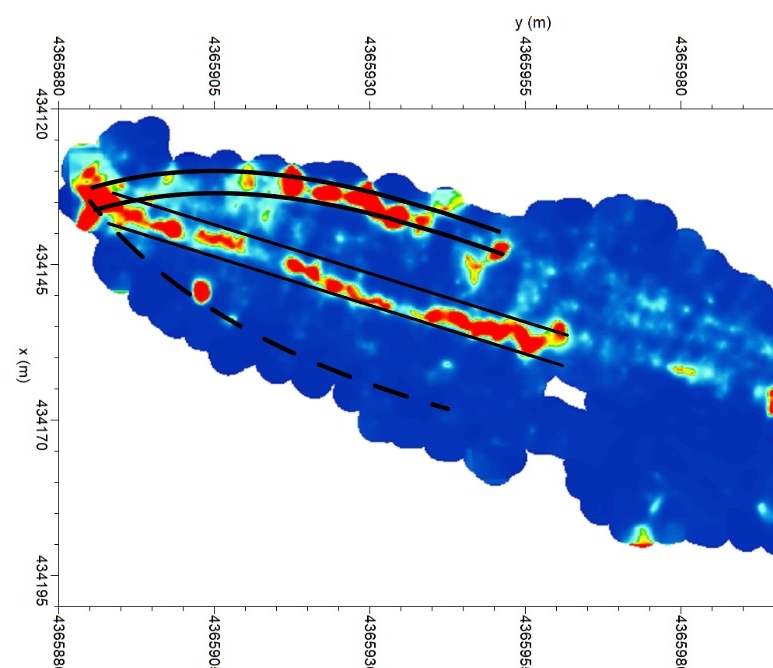
The researchers used ground penetrating radar to study what lies below the surface without disturbing the land. Their radar scans suggest the presence of rectangular shapes and layered sections within the formation. These shapes appear to connect in a way that resembles rooms or compartments. The depth of these impressions gives the impression that something once occupied that space. This approach has allowed them to collect data while maintaining careful respect for the environment.

Soil samples taken from inside and outside the formation added more intrigue to the story. Samples collected from within the site showed higher levels of organic material compared to surrounding soil. Some samples also contained chemical patterns typically linked to the breakdown of organic structures. The team believes this could point to the decayed remains of biological material that once filled the formation. The comparison between inner and outer soil layers is a central part of what caught researchers interest.
While the findings are interesting, the team has been cautious in how they share this information. They have stated that they are not claiming to have found a fully preserved ancient vessel. Instead, they are presenting structural and chemical details that deserve more scientific evaluation. Their goal is to continue studying the site using non invasive methods and, if permitted in the future, deeper core sampling to learn more. The story remains far from settled, yet it has sparked global conversation about what may lie beneath the soil.
What Radar Technology Revealed
Ground penetrating radar has become an important tool for researchers studying locations with historical or archaeological significance. At the Durupinar site, the radar revealed shapes that resemble parallel lines and defined corners. These shapes appear to be arranged in a pattern not typically seen in natural rock formations. Some scans indicate the possibility of multiple layers, which has been compared to descriptions of an ancient multi level vessel.
The length of the formation has also drawn interest. The site measures more than five hundred feet, which matches the length of the vessel described in ancient accounts. While this may be a coincidence, the alignment has inspired further study. Radar images appear to show a long central corridor with divisions along the sides. These divisions resemble what could be interior sections or chambers, although radar images cannot confirm the purpose of these spaces.

The researchers involved in the project state that the images should not be viewed as final proof of anything. Radar imagery can show shapes beneath the earth, but it cannot identify material composition with certainty. Because of this, the team continues to collect supporting data such as soil chemistry, density changes, and geological patterns. These combined elements will help determine whether the shapes are natural or whether they reflect something more unusual.
Another part of the research involves comparing older scans to new ones. Earlier studies of this region exist, yet the recent scans show clearer and more detailed imagery thanks to improved equipment. The researchers say the enhanced clarity allowed them to spot patterns they could not see before. This comparison strengthens their belief that further study is needed. The work does not claim a final conclusion, yet it offers a starting point for future scientific exploration.

Soil Chemistry and Why It Matters
The soil collected from inside the site displayed elevated levels of organic material. Organic material can accumulate naturally, yet the researchers found that the concentration inside the formation was noticeably higher than in surrounding areas. They believe this could mean that decomposing organic matter once filled the formation. Organic matter breaks down into forms that alter soil chemistry, which is precisely what the samples reflected.
Another notable finding was the higher amount of potassium inside the formation. Potassium can increase when wood decays over long periods of time. If the formation once contained timber or similar biological material, the byproducts of that material could remain in the soil many centuries later. The researchers believe this possibility should be examined through more detailed laboratory testing. Soil chemistry offers clues that may point to the past, although it cannot provide a final answer on its own.

Researchers also compared soil texture and density. Soil inside the formation appeared looser in some regions, which could occur if material once occupied the space and later decomposed. The breakdown of biological matter can change soil density over time. These shifts may support the idea that something once filled the interior, although natural explanations remain possible. The variations between inner and outer soils are what continue to inspire scientific curiosity.
Even with these interesting findings, soil chemistry cannot confirm the presence of a particular object or structure. It can only show patterns that suggest certain processes occurred. The research team emphasizes that more tests are needed across a wider portion of the site. Soil analysis may provide one piece of the larger puzzle, yet full understanding requires studying many aspects of the land. The team hopes future work will add clarity to these early observations.
The Debate Over Natural Versus Man Made Formation
The Durupinar site has long been at the center of debate. Some believe the formation is a natural geological shape created by erosion and shifting earth over centuries. Others think the site could contain remnants of a man made structure. The recent radar findings have reignited this debate, encouraging both sides to examine the latest data with fresh attention.
Supporters of the man made theory argue that the straight edges and layered shapes shown in radar images do not resemble typical geological formations. They believe the repeating patterns suggest design rather than coincidence. The soil chemistry data adds another layer of interest for those who believe something once existed inside the formation. This combination of structural and chemical evidence gives them hope that further study will expand understanding.

On the other side, many geologists caution that natural processes can create shapes that appear orderly. Sedimentary layering, mineral deposits, and ground pressure can produce shapes that mimic walls or chambers. These natural processes may also account for variations in soil chemistry within certain types of formations. Because of this, experts urge careful scientific analysis before making any firm claims about the sites true nature.
Both sides agree that more research is needed. This includes gathering more soil samples, conducting higher resolution radar scans, and possibly drilling for deeper core samples. Continued study will help determine whether the shapes are natural phenomena or remnants of an ancient structure. Until then, the debate remains open, fueled by the sites long history of mystery and curiosity.
How This Story Connects to Health and Wellness
At first glance, the search for Noahs Ark may seem unrelated to health. Yet stories like this can offer meaningful lessons about wellness, patience, and personal growth. The researchers approach reminds us that discovery requires time. They worked carefully, step by step, collecting small pieces of information until a clearer picture began to form. Wellness works in a similar way. Progress builds when small habits accumulate into larger change.
The radar scans also provide a metaphor for the deeper layers of our lives. Wellness is not only about what is visible. Many physical and emotional issues begin beneath the surface, where changes develop quietly. Recognizing the need to look deeper into our habits, thoughts, and stress patterns can help us understand what needs attention. Just as the researchers scanned below the ground, we can explore the quieter parts of our well being.
The soil chemistry findings offer another perspective. The presence of organic matter that has broken down over time is similar to how old experiences or stress can linger within us. As time passes, these internal experiences may leave traces that influence our health. Identifying these internal residues allows us to address them through practices that support cleansing and renewal. Nutrition, rest, and emotional awareness can help our bodies and minds recycle what no longer serves us.
This story can also inspire us to reflect on resilience. The Ark, whether symbolic or physical, represents protection during a turbulent period. Learning to build our own version of protection involves healthy routines, supportive relationships, and stress management techniques. Through this lens, the ancient story becomes a reminder to create inner stability so that we can face lifes challenges with greater strength.
Health Lessons Inspired by an Ancient Legend
One lesson from this discovery is the value of steady progress. The researchers combined technology, soil data, and patience to understand the site more clearly. In wellness, steady changes such as improving sleep, eating well, and practicing movement can create meaningful improvements over time. These changes need consistency more than speed.
Another lesson we can take from this story is the value of listening to the signals our bodies give us. The researchers paid close attention to every detail in the soil and every pattern in the radar images. In a similar way, paying attention to our sleep, energy levels, appetite, and emotional responses can help us recognize when something needs care. Small shifts in daily habits often reveal deeper patterns. When we acknowledge these signals early, we can make choices that support healing before stress or fatigue becomes overwhelming.
This discovery also highlights the importance of building strength gradually. The research team approached their work with patience, gathering clues bit by bit. In our own wellness journey, progress often comes from steady habits such as nourishing meals, regular movement, meaningful rest, and moments of reflection. These simple practices create a foundation that protects us during challenging periods. Just as the ancient story symbolizes resilience in a time of turmoil, caring for our health helps us face our own storms with greater balance and confidence.
Featured Image Credit: noahsarkscans.com
