
Imagine this: you’re winding down at home, savoring a calm evening, when you spot something dart across the floor—a spider, perhaps, or an uninvited ant. Most of us instinctively reach for chemical sprays to handle the situation, but there’s a gentler, greener approach hidden right in your pantry. Enter peppermint oil: a simple, aromatic solution that doesn’t just smell refreshing but doubles as a powerful defense against unwanted houseguests of the insect variety.
Why peppermint? It turns out that this humble essential oil, beloved for its crisp scent, can actually send pests like spiders, flies, and even mice packing—all without a trace of harsh chemicals. But what makes peppermint so unappealing to pests? And how can you harness its power safely around your home?
From DIY sprays to clever placement tricks, there are plenty of ways to put peppermint’s natural repellent abilities to work.
Why Peppermint Oil Works
Peppermint oil is a surprisingly effective natural repellent against many common pests, thanks to its active compounds, particularly menthol and menthone. These compounds work by overwhelming the sensory systems of pests, making the oil an irritant that they tend to avoid. A standout study from Auburn University in 2001 found peppermint oil to be 100% effective in repelling both American and German cockroaches over a 14-day period. In this experiment, the oil’s potent aroma deterred the roaches, and continuous exposure even had lethal effects on some, making peppermint oil a formidable natural repellent for cockroach control.
Peppermint oil also works well on various other pests. Its strong scent is intolerable to spiders, which “taste” their surroundings with sensory receptors on their legs, causing them to flee upon contact with the oil. In addition, peppermint oil has been shown to protect against mosquito bites for up to 150 minutes when applied to the skin, which can be particularly helpful in deterring mosquitoes carrying diseases like dengue or Zika.
By disrupting the sensory pathways of insects and other pests, peppermint oil offers a safe alternative to chemical-laden repellents like DEET. While chemical repellents have known health risks, peppermint oil provides a non-toxic solution that can be used safely around the home. Many homeowners have found that peppermint oil repels pests like mice, fleas, flies, and moths, as well as roaches, making it a versatile and environmentally friendly choice for pest control.

DIY Peppermint Oil Pest Control Solutions
Creating peppermint oil-based pest control solutions is simple, cost-effective, and highly customizable for various household needs. Here’s how to make and use peppermint oil sprays and other applications to keep pests at bay naturally.
1. Peppermint Oil Spray for Indoor Use
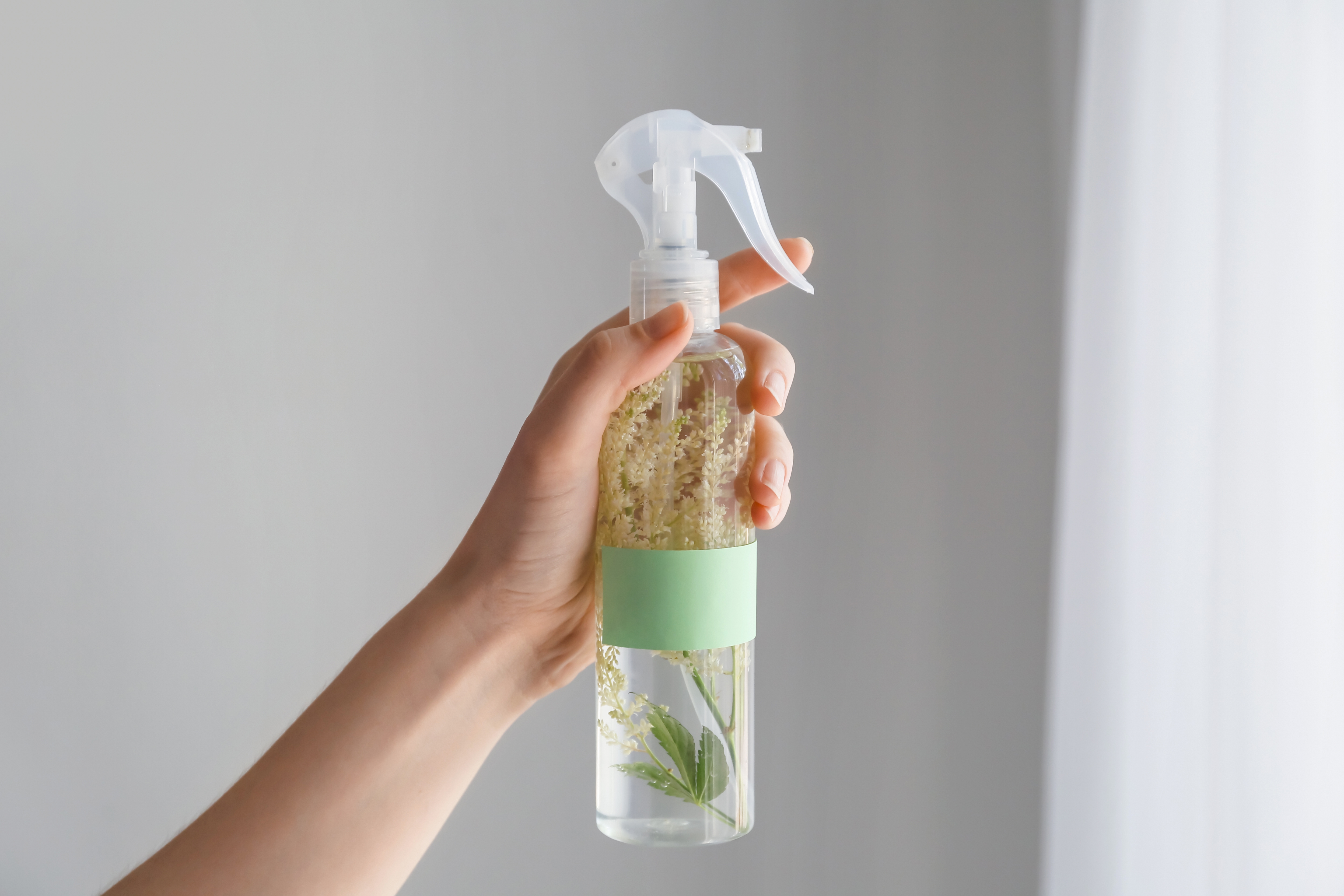
A peppermint spray is one of the most versatile and convenient methods for repelling pests indoors. To make this spray:
- Mix 10-15 drops of peppermint essential oil with one cup of water in a spray bottle.
- Optionally, add a few drops of dish soap to help the oil disperse evenly and enhance the spray’s sticking power on surfaces.
Spray this mixture in common pest hotspots like doorways, windowsills, and corners, as well as areas where you’ve noticed pest activity, such as under sinks or behind appliances. Reapply weekly or after cleaning to maintain effectiveness, as peppermint oil can evaporate quickly and lose potency over time.
2. Peppermint-Soaked Cotton Balls
For a longer-lasting option, try placing peppermint-soaked cotton balls in hard-to-reach areas where pests may hide.
- Simply add a few drops of peppermint oil onto each cotton ball and place them in dark corners, closets, or cupboards.
This method is ideal for targeting spots where sprays may not reach, and it provides continuous repellent action. Replace the cotton balls every two weeks or when the scent begins to fade.
3. Outdoor Use of Peppermint Spray
If pests are a problem around patios or gardens, the peppermint spray can be adapted for outdoor use. For plants, dilute the solution further by mixing 5 drops of peppermint oil with one cup of water and spraying on plant foliage. It helps repel aphids, caterpillars, and other pests naturally without damaging the plants. However, avoid direct spraying on edible parts of plants to prevent flavor alteration.
For garden furniture and patios, a slightly stronger spray with 10-15 drops of oil in a cup of water can be used to repel mosquitoes and flies.
4. Safety Tips
Peppermint oil is generally safe for humans, but caution is advised around pets. While peppermint oil’s scent is effective for repelling pests, it can be toxic to pets, especially cats and dogs. When using peppermint solutions indoors, avoid heavily spraying areas where pets frequent or consider testing in smaller amounts initially. Alternatively, placing soaked cotton balls in out-of-reach spots helps minimize contact risks for pets while keeping pests at bay.

Comparing Peppermint to Other Natural Remedies
While peppermint oil has a strong track record as a natural pest repellent, several other essential oils and natural ingredients offer unique advantages for deterring pests. Here’s how some popular alternatives measure up:
Eucalyptus Oil
Eucalyptus oil, like peppermint, has a powerful scent that insects find unappealing. In addition to its insect-repelling properties, eucalyptus is known for its antimicrobial qualities, making it effective against certain fungi and bacteria that pests may carry. Studies suggest eucalyptus is particularly effective for repelling mosquitoes and flies, making it a good option for outdoor areas or around entry points.
Tea Tree Oil
Tea tree oil contains insecticidal compounds that repel pests and also have antifungal benefits. However, tea tree oil requires caution, especially in homes with pets, as it can be toxic to animals if ingested or applied in high concentrations. For households without pets, tea tree oil can be a potent addition for cockroach and ant control, but its strong odor may not be appealing to everyone.
Lavender Oil
Lavender oil offers a gentler aroma that is known to deter flying insects, including flies and mosquitoes. While lavender’s repellent power is milder than peppermint, it’s useful in areas where a calming scent is desirable, such as bedrooms. Lavender’s versatility makes it a good choice for mixed applications, like homemade sprays that also serve as air freshener.
Citronella
Citronella oil is a well-known choice for outdoor mosquito repellent, often found in candles and sprays for patios and gardens. Unlike peppermint, which works well indoors, citronella’s effectiveness shines outdoors due to its ability to mask human scent and repel biting insects. However, citronella may need to be frequently reapplied as it dissipates quickly in the open air.
Pros and Cons of Using Natural Oils
Natural remedies like peppermint and other essential oils provide safe, environmentally friendly alternatives to chemical pesticides. They are biodegradable and generally safer for humans and pets when used with care. However, their effectiveness may not be as long-lasting as chemical options, requiring regular reapplication. Additionally, individual sensitivities or allergies to certain oils can pose a minor limitation, so always test small amounts before large applications.
Each essential oil offers its own set of strengths. For the most comprehensive pest control, combining peppermint with other oils like eucalyptus or lavender can provide a broader deterrent effect, making your home less appealing to a wider range of pests.

DIY Tips for a Pest-Free Home
Keeping your home pest-free naturally can be achieved by incorporating simple yet effective DIY solutions. Here’s a guide to using peppermint oil and other natural ingredients to keep various household pests at bay.
1. Peppermint Oil Spray: Mix 10-15 drops of peppermint essential oil with one cup of water in a spray bottle, adding a few drops of dish soap to help disperse the oil evenly. Spray around entry points, windowsills, and common pest areas weekly for optimal results. This blend effectively repels spiders, ants, and even roaches due to its strong menthol scent, which disrupts pests’ sensory pathways.
2. Peppermint Cotton Balls for Small Spaces: Apply several drops of peppermint oil to cotton balls and place them in hard-to-reach areas like cupboards, closets, and under furniture. Refresh every few weeks to maintain its potency. This method is especially effective for spiders, who are highly sensitive to strong scents.
3. White Vinegar and Essential Oil Solution: Combine equal parts white vinegar and water with a few drops of eucalyptus or peppermint oil. This solution can be used on countertops and along ant trails to disrupt their scent paths, preventing more ants from finding their way into your space.
4. Lemon or Citrus Spray: For areas frequented by spiders or moths, mix lemon essential oil or freshly squeezed lemon juice with water. Spray this solution along door frames, windows, and closets. Citrus oils are unpleasant to many pests, especially spiders, due to their strong and tangy scent.
5. Herbs to Repel Insects: Consider placing pots of basil, mint, or rosemary around your home, particularly near entry points. These herbs repel flies and mosquitoes naturally. For a more direct approach, sprinkle dried herbs or place sachets of bay leaves in pantries to deter moths.
6. Homemade Mosquito Repellent with Essential Oils: Create a natural mosquito repellent by mixing 10 drops each of peppermint, citronella, and lavender oils with a carrier oil, like coconut oil, and apply it to exposed skin before outdoor activities. This blend provides a refreshing and safe way to keep mosquitoes at bay.
7. Sealing Entry Points: Prevention is critical. Seal cracks and gaps around windows, doors, and foundations to block entry points for pests. Combined with regular application of essential oil solutions, this measure makes your home less accessible to unwanted visitors.
A Greener Way to Keep Pests at Bay
Harnessing the power of peppermint oil and other natural remedies for pest control transforms your home into a safe, toxin-free environment while effectively deterring unwanted guests. The strong menthol aroma of peppermint oil disrupts pests’ sensory systems, making it a versatile solution that repels insects, spiders, and even rodents without harmful chemicals. When combined with strategies like sealing entry points, using herbal plants, and practicing routine cleanliness, natural repellents create a more comprehensive, eco-friendly approach to maintaining a pest-free space.
Opting for these methods not only protects your family and pets from exposure to harsh insecticides but also contributes to a healthier planet by reducing chemical runoff and waste. Whether you’re tackling seasonal bug issues or seeking year-round solutions, these natural techniques empower you to create a calm, comfortable, and pest-free haven.
