
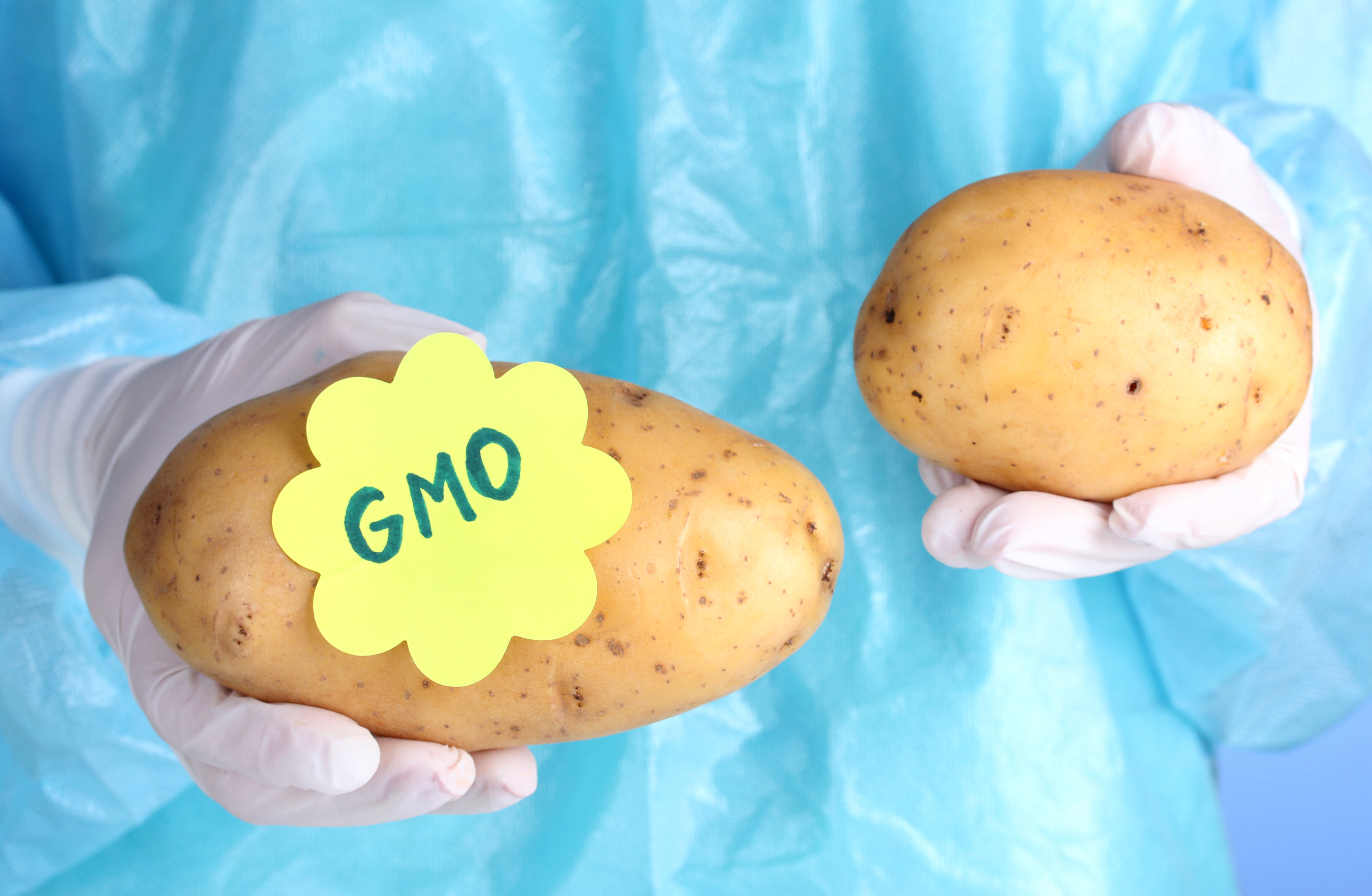
In the ever-evolving world of agriculture, Monsanto’s latest move is set to shake up the industry—and possibly our plates. Teaming up with Pairwise, a biotech startup from California, Monsanto has invested a hefty $125 million in CRISPR gene-editing technology, with promises of strawberries, wheat, and other crops genetically tailored for longer shelf life, enhanced flavors, and better resilience. But as enticing as this might sound, questions are swirling around the ethics, safety, and long-term impact of such powerful genetic manipulation.
Could this partnership mark a bold new step toward feeding the world, or are we venturing into risky territory with unknown consequences? While Monsanto and Pairwise tout the advantages of gene-edited crops, from reducing food waste to improving sustainability, the deeper implications of their alliance raise pressing concerns that go far beyond the grocery aisle. As we dig into the details, one thing becomes clear: the story of Monsanto’s latest venture is just as complex and controversial as it is ambitious.
Monsanto’s Investment and the Rise of CRISPR-Edited Foods
In a high-stakes move, Monsanto committed $125 million to Pairwise, a California-based gene-editing startup, signaling a major push toward CRISPR-modified crops. This collaboration aims to introduce gene-edited produce like strawberries, wheat, and other staples that promise longer shelf life, enhanced flavors, and resilience against environmental stressors. The financial commitment underscores Monsanto’s belief in the potential of CRISPR—a technology heralded by some as revolutionary for its precision and effectiveness in “editing” specific genes, unlike traditional genetic modifications that typically involve inserting foreign DNA.
CRISPR’s precision allows researchers to target and modify genes responsible for key traits such as sweetness, shelf stability, and drought resistance. Tom Adams, Pairwise’s CEO and former Monsanto biotechnology vice president, expressed the shared vision: “My co-founders and I believe the technologies we have each been developing can have a profound impact in plant agriculture and will speed innovation that is badly needed to feed a growing population amid challenging conditions created by a changing climate”. While the focus is on delivering a solution to food waste (which costs the U.S. around $200 billion annually), the collaboration also raises ethical and environmental questions, including concerns over unintended gene mutations—an issue identified in a Columbia University study on CRISPR modifications, which found “hundreds of unintended mutations” in targeted organisms.
Pairwise and Monsanto anticipate these modified crops will enter U.S. markets within five to ten years, and while this timeline hints at accelerated development, CRISPR-altered foods could bypass GMO labeling due to loopholes in current regulations, leaving some consumers concerned about transparency.
Monsanto’s Controversial Legacy

Monsanto’s legacy in agribusiness is as complex as it is controversial, with a history steeped in legal battles and public backlash. Known initially for pioneering genetically modified (GM) crops, Monsanto’s practices have frequently been criticized due to concerns over environmental impacts, corporate control, and public health. This history raises significant doubts about its current partnership with Pairwise for gene-edited crops like strawberries and wheat.
A significant portion of the controversy centers around Monsanto’s herbicide, Roundup, which contains the active ingredient glyphosate. Roundup’s widespread use has led to numerous lawsuits from individuals alleging it causes cancer, particularly non-Hodgkin lymphoma. Since Bayer acquired Monsanto in 2018, it has faced multiple billion-dollar judgments, while continuing to defend glyphosate’s safety. Bayer’s defense of glyphosate has relied heavily on studies it claims show no causal link to cancer, though the World Health Organization’s International Agency for Research on Cancer classified glyphosate as a “probable human carcinogen” in 2015. In response to growing legal costs, Bayer has pledged to reduce residential glyphosate use by 2023, but Roundup remains a hot topic in public health discussions.
Another layer to Monsanto’s legacy is its handling of seed patents. Monsanto’s Roundup Ready seeds, genetically engineered to resist its own herbicide, have sparked debate over intellectual property in agriculture. Farmers who save seeds for future planting risk facing lawsuits for patent infringement if they use patented Monsanto seeds without repurchasing. A notable case, Bowman v. Monsanto Co., reached the U.S. Supreme Court, which ruled in favor of Monsanto, affirming the company’s rights to enforce these patents. Such cases have sparked public outcry over corporate overreach, with critics claiming this approach places an undue burden on small farmers and threatens agricultural diversity by pushing a monoculture model.
Monoculture farming itself, driven by the expansion of GM crops, has added to Monsanto’s controversial reputation. As farmers are encouraged to grow single crop varieties over large areas, this practice has led to biodiversity loss and increased pest resistance, contributing to the need for more pesticides. Ironically, the genetically modified crops initially promoted to reduce pesticide reliance have sometimes resulted in the opposite effect, as pests evolve to withstand the chemicals originally meant to eliminate them.
This controversial past casts a shadow over Monsanto’s partnership with Pairwise. Despite promises of longer-lasting, “sustainable” crops, skepticism remains about whether this latest venture will prioritize ecological balance or repeat patterns of environmental and public health risks. Understanding Monsanto’s history is essential as the company pivots to new biotechnologies, including CRISPR, which, while innovative, still carries unresolved ethical and ecological concerns.
Risks, Regulation, and Consumer Concerns
While CRISPR holds immense promise for agriculture, it is not without risks. Studies, such as one from Columbia University, have highlighted the potential for unintended genetic mutations during the editing process. These unforeseen changes raise concerns about the long-term safety of gene-edited crops and their impact on human health and the environment. As the technology rapidly advances, calls for rigorous safety evaluations have become louder.
Regulatory oversight adds another layer of complexity. In the United States, CRISPR-modified crops are not classified as GMOs, allowing companies to bypass traditional regulatory hurdles. This means consumers may encounter gene-edited produce on store shelves without any labeling to distinguish it from conventionally grown foods. While this approach aims to streamline innovation, it has drawn criticism for undermining transparency and leaving consumers in the dark.
Consumer trust remains a significant hurdle. Monsanto’s controversial legacy, which includes its role in the production of Agent Orange and genetically modified organisms (GMOs), has already fueled public skepticism. Many consumers view gene editing as an extension of GMO technology, amplifying fears of corporate control over the food supply. To win over consumers, companies like Monsanto and Pairwise must prioritize transparency, label their products clearly, and engage in open dialogue about the safety and benefits of CRISPR-modified foods.
Navigating GMOs and Choosing Alternatives

With CRISPR and GMOs entering more of our food supply, many consumers want to avoid genetically modified products, preferring options that align with sustainability and health values. Here are key strategies for identifying non-GMO choices:
- Opt for Organic
Certified organic products cannot legally contain GMOs. Look for labels like “100% Organic” or “USDA Organic.” According to the Center for Food Safety, these certifications provide assurance that the product’s ingredients are free from genetic engineering. Organic certification also prohibits synthetic pesticides, making it a comprehensive choice for those looking to avoid modified crops and chemical residues. - Seek Non-GMO Project Verified Labels
Products with the Non-GMO Project Verified seal have undergone independent testing to meet stringent non-GMO standards. This label is a helpful way for consumers to navigate stores, especially for processed goods where GMOs are prevalent (e.g., corn, soy, and canola ingredients) and might be hidden in additives or oils used in the product. - Avoid High-Risk Ingredients
Certain crops are genetically modified at high rates, making it challenging to avoid GMOs unless products specifically state non-GMO or organic. Common GM crops include corn, soybeans, canola, cottonseed, and sugar beets. These “Big Five” crops often appear in processed foods under various forms, like high-fructose corn syrup, soy lecithin, and canola oil. Checking labels for these ingredients can help reduce exposure to GMOs. - Buy Locally and Support Small Farms
Sourcing food from local farmers or farmers’ markets can help avoid GMOs since many small-scale farms do not use genetically modified seeds. Asking vendors about their practices ensures transparency. Additionally, locally sourced produce reduces environmental impact from transportation and supports regional agriculture. - Stay Informed with Technology
The Center for Food Safety and other organizations offer smartphone apps and downloadable guides to help consumers identify non-GMO foods and navigate the complexities of grocery shopping. These tools often include brand recommendations and product lists to simplify your search for non-GMO options.
Balancing Innovation with Responsibility

Balancing innovation with ethical responsibility is crucial as companies like Monsanto and Pairwise explore the potential of gene-edited crops. While CRISPR offers groundbreaking possibilities—enhanced flavors, extended shelf life, and reduced waste—it also raises significant ethical and ecological concerns. Unintended genetic changes, even with CRISPR’s precision, underline the need for rigorous research to understand its long-term impact on health and the environment. Striking a balance between technological advancement and responsibility will be key to navigating these challenges.
Transparency and public trust are central to the acceptance of gene-edited foods. Initiatives like Pairwise’s “Conscious Greens” trials highlight the importance of clear labeling and open communication, demonstrating that informed consumers are more likely to embrace innovation. However, skepticism surrounding GMOs and gene editing persists, requiring companies to prioritize honest engagement and education. This approach not only fosters trust but also reinforces the ethical commitment to consumer health and ecological sustainability.
The future of gene editing in agriculture hinges on aligning innovation with accountability. By adopting rigorous safety standards and valuing ethical practices, companies can pave the way for a food system that benefits both people and the planet. As this technology evolves, the choices made today will shape its legacy—ensuring that progress serves humanity without compromising the environment or consumer confidence.
Sources
- CRISPR gene editing can cause hundreds of unintended mutations. (2017, May 30). Columbia University Irving Medical Center. https://www.cuimc.columbia.edu/news/crispr-gene-editing-can-cause-hundreds-unintended-mutations
- Höijer, I., Emmanouilidou, A., Östlund, R., Van Schendel, R., Bozorgpana, S., Tijsterman, M., Feuk, L., Gyllensten, U., Hoed, M. D., & Ameur, A. (2022). CRISPR-Cas9 induces large structural variants at on-target and off-target sites in vivo that segregate across generations. Nature Communications, 13(1). https://doi.org/10.1038/s41467-022-28244-5
