
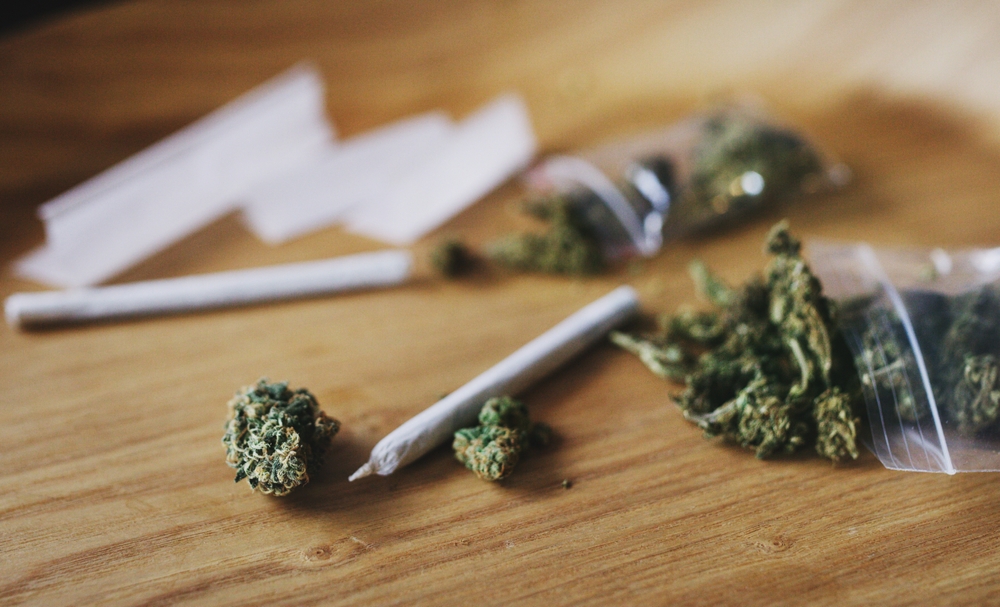
For many, cannabis has become a perceived healthier alternative to alcohol or prescription drugs, integrated into wellness routines and daily life. Yet, a disturbing trend is emerging in emergency rooms nationwide: young, seemingly healthy individuals are suffering severe cardiovascular events, often with a shared connection – marijuana use. A groundbreaking new study has just unveiled what many suspected but few wanted to believe: that regular cannabis consumption might be silently devastating your heart.
These findings represent a seismic shift in understanding for millions who have embraced cannabis. In an era where more people now use weed than tobacco, the implications of this research stretch far beyond individual health choices, impacting public policy and medical practice alike.
Your Morning Joint Could Double Your Risk of Dying
A massive new analysis examining medical data from 200 million people has delivered a sobering verdict: using marijuana doubles the risk of dying from heart disease. Published in the journal Heart, this systematic review and meta-analysis represents one of the most comprehensive examinations of cannabis and cardiovascular health to date.
Researchers analyzed 24 studies conducted across six countries between 2016 and 2023, focusing primarily on adults aged 19 to 59 years, and they found challenges to every assumption about marijuana’s relative safety compared to other substances.
“This is one of the largest studies to date on the connection between marijuana and heart disease, and it raises serious questions about the assumption that cannabis imposes little cardiovascular risk,” said Dr. Lynn Silver, a clinical professor at the University of California, San Francisco, who co-authored an editorial accompanying the research.
The timing couldn’t be more critical. Recent polling reveals that marijuana use has overtaken tobacco consumption in the United States, with legalization spreading rapidly across states. Yet while tobacco products carry stark health warnings, cannabis packaging rarely mentions cardiovascular risks.
Twenty-Somethings Are Having Heart Attacks (And Weed Might Be Why)

Perhaps the most alarming finding involves the age of affected patients. These aren’t lifelong smokers or people with existing health conditions – they’re young adults with clean medical histories experiencing life-threatening cardiac events.
“What was particularly striking was that the concerned patients hospitalized for these disorders were young (and thus, not likely to have their clinical features due to tobacco smoking) and with no history of cardiovascular disorder or cardiovascular risk factors,” explained senior author Émilie Jouanjus, an associate professor of pharmacology at the University of Toulouse, France.
Emergency room physicians report seeing patients in their 20s and 30s presenting with chest pain, irregular heartbeats, and even full-blown heart attacks. Many initially dismiss their symptoms, unable to believe their recreational cannabis use could trigger such serious consequences.
The research found that cannabis users face a 29% higher risk of heart attacks and a 20% increased risk of stroke compared to non-users. For cardiovascular death specifically, the risk jumps to a staggering 210% increase. These aren’t marginal statistical blips – they represent real people experiencing preventable tragedies.
Every Hit Damages Your Blood Vessels

Understanding how cannabis harms the cardiovascular system requires examining what happens at the cellular level. When someone smokes marijuana, they’re not just getting high – they’re initiating a cascade of physiological changes that stress the heart and blood vessels.
Cannabis smoke contains many of the same toxic compounds found in tobacco smoke. These substances damage the delicate endothelium lining blood vessels, promote inflammation, and increase the tendency for blood to clot. THC, the psychoactive compound in marijuana, can also cause immediate cardiovascular effects, including increased heart rate and blood pressure fluctuations.
Dr. Beth Cohen, a professor of medicine at UCSF and an expert in cannabis health effects, underscores that the method of consumption often matters less than users realize. Whether smoked, vaped, or dabbed, cannabis exposes users to harmful compounds that trigger cardiovascular damage.
Edibles Aren’t Safe Either

Many health-conscious cannabis users have turned to edibles, believing they’ve found a loophole to avoid smoking-related risks. New research from May 2025 demolishes this assumption, revealing that THC-laced edibles produce cardiovascular damage comparable to smoking.
Dr. Leila Mohammadi’s team at UCSF made a startling discovery when examining vascular function in different types of cannabis users. While marijuana smokers showed a 42% reduction in vascular function compared to non-users, edible consumers fared even worse with a 56% reduction.
These findings suggest that THC itself, regardless of delivery method, poses significant cardiovascular risks. When consumed orally, THC undergoes different metabolic processing but still reaches the cardiovascular system in quantities sufficient to cause damage. The delayed onset of edibles may even lead users to consume higher doses, compounding potential harm.
Today’s Weed Is 10 Times Stronger Than Woodstock

Cannabis advocates often point to thousands of years of human use as evidence of safety. But today’s marijuana bears little resemblance to what previous generations consumed. Modern cultivation techniques and selective breeding have created products of unprecedented potency.
Silver pulls no punches about this transformation: “What’s being sold to people today in California is 5 to 10 times stronger than what it was in the 1970s. Concentrates can be 99% pure THC. Vapes are over 80% THC.”
This dramatic increase in potency fundamentally changes the drug’s risk profile. Where a joint in the 1970s might have contained 3-4% THC, today’s products routinely exceed 20%, with concentrates reaching near-pure levels. Each hit delivers a massive dose of psychoactive compounds that earlier users never experienced.
The cardiovascular system responds to these super-charged doses with proportionally severe reactions. Higher THC concentrations mean more intense acute effects on heart rate and blood pressure, greater endothelial dysfunction, and increased risk of triggering cardiac events. Users comparing their experience to their parents’ generation are making a dangerous false equivalency.
Your Body Can’t Tell “Natural” From Dangerous

One of the most persistent myths surrounding cannabis involves its status as a “natural” plant, implying inherent safety. This naturalistic fallacy ignores fundamental chemistry and biology – burning any organic matter produces harmful compounds.
When cannabis is combusted, it generates carbon monoxide, tar, and numerous carcinogens identical to those in tobacco smoke. The cardiovascular system doesn’t distinguish between toxins from marijuana versus cigarettes; damage accumulates regardless of the source. Particulate matter from smoke triggers inflammation throughout the body, contributing to atherosclerosis and increasing heart attack risk.
Even without combustion, concentrated THC extracts used in vaping and dabbing present risks. These products often contain additives and undergo chemical processing that introduces additional compounds of concern. The pursuit of higher potency has led to consumption methods that deliver unprecedented doses of active ingredients directly to the bloodstream.
The belief that plant-based automatically equals safe has led many users to dismiss warning signs. Chest pain, shortness of breath, and irregular heartbeats are attributed to anxiety or other causes rather than recognized as potential cardiovascular distress signals requiring medical attention.
Doctors Are Scrambling to Warn Patients

The medical community faces a crisis of awareness and education. While physicians routinely screen for tobacco use and counsel patients about smoking cessation, many remain uninformed about cannabis-related cardiovascular risks. This knowledge gap leaves millions of users without crucial health information.
Silver advocates for immediate changes in clinical practice: “Clinicians need to screen people for cannabis use and educate them about its harms, the same way we do for tobacco, because in some population groups it’s being used more widely than tobacco.”
Medical schools and continuing education programs are racing to update curricula with current research on cannabis health effects. Emergency physicians need training to recognize cannabis-related cardiac events, while primary care providers must learn to identify at-risk patients and provide appropriate counseling.
Addiction Rates Soar With Super-Strong Strains

High-potency cannabis products aren’t just increasing cardiovascular risks – they’re driving an addiction crisis that compounds health dangers. Research from July 2022 found that consuming high-potency weed is linked to a fourfold increased risk of dependence compared to lower-strength products.
Currently, about 3 in 10 cannabis users in the United States develop cannabis use disorder, the medical term for marijuana addiction. This rate continues climbing as average THC potency increases and new consumption methods deliver ever-higher doses more efficiently.
Addiction amplifies cardiovascular risks through multiple pathways. Dependent users consume larger quantities more frequently, accumulating greater cumulative exposure to harmful compounds. They’re also less likely to quit despite health warnings or early symptoms, continuing to use even after experiencing cardiac events.
Real People, Real Heart Damage

Behind the statistics lie real people whose lives have been upended by cannabis-related heart problems. Emergency departments report treating older adults who turned to marijuana for chronic pain or sleep issues, unaware they were gambling with their cardiovascular health.
“If I was a 60-year-old person who had some heart disease risk, I would be very cautious about using cannabis,” Silver warns. “I’ve seen older people who are using cannabis for pain or for sleep, some of whom have significant cardiovascular risk, or who have had strokes or had heart attacks or had angina, and they have no awareness that this may be putting them at greater risk.”
These patients often express shock when told their cannabis use contributed to their cardiac event. Many specifically chose marijuana to avoid prescription medications they viewed as dangerous, never imagining their alternative medicine carried such serious risks.
The tragedy extends to younger users who believed their youth provided immunity. College students, young professionals, and new parents find themselves dealing with cardiovascular damage typically associated with decades of unhealthy living. Some require lifelong medication; others face permanent lifestyle restrictions.
What This Means for Your Future Heart
This landmark research demands a fundamental reassessment of cannabis safety and policy. Senior author Émilie Jouanjus warns that current findings may even underestimate the true risks, suggesting that the association could be stronger than reported, particularly as rising potency levels were not fully captured in all available data.
Public health officials face difficult decisions about regulation, labeling, and education. States that rushed to legalize without comprehensive health frameworks must now grapple with emerging evidence of serious cardiovascular risks. The focus on tax revenue and criminal justice reform, while important, cannot overshadow public health considerations.
Cannabis use carries real, quantifiable cardiovascular risks that increase with potency and frequency of use. Those with existing heart conditions or risk factors face even greater danger. Young users cannot assume their age provides protection against cardiovascular damage that begins accumulating immediately.
Source:
- Storck, W., Elbaz, M., Vindis, C., Déguilhem, A., Lapeyre-Mestre, M., & Jouanjus, E. (2025). Cardiovascular risk associated with the use of cannabis and cannabinoids: a systematic review and meta-analysis. Heart, heartjnl-325429. https://doi.org/10.1136/heartjnl-2024-325429
