
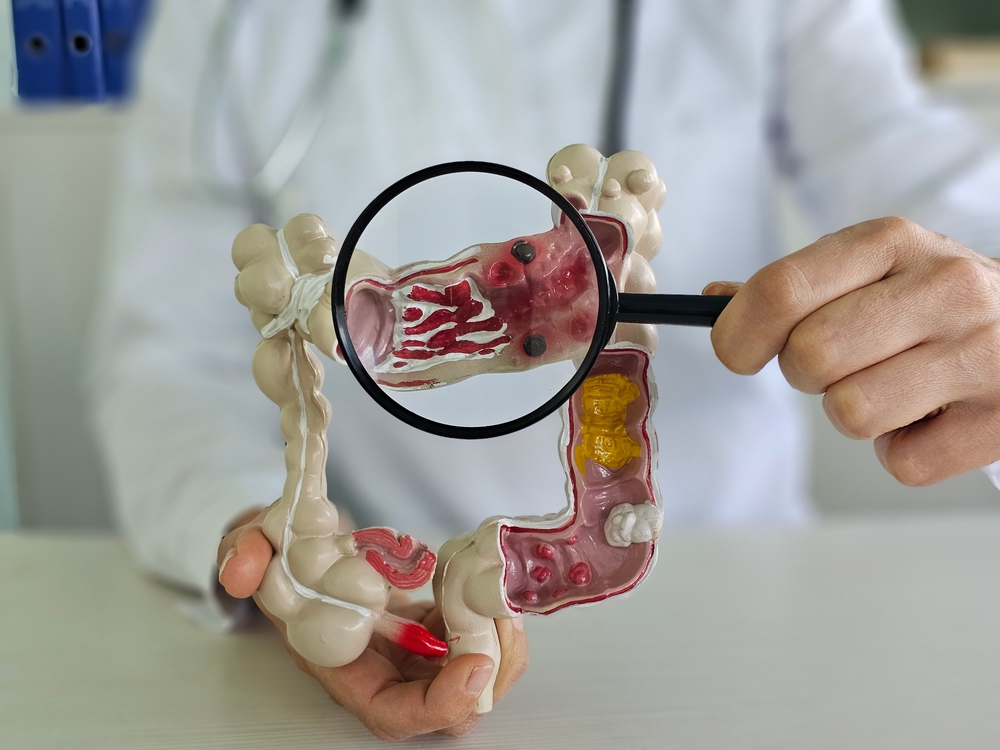
Over the past few decades, rates of colorectal cancer in people under 50 have quietly—and steadily—climbed. So much so that it’s now the leading cause of cancer death in men under 50 in the U.S., and second for women. Even more troubling? Doctors haven’t fully understood why—until now.
Imagine your gut as a bustling city, filled with trillions of microscopic residents. Most of them keep the peace, help digest food, and even support your immune system. But scientists have just identified a dangerous troublemaker—a strain of E. coli that can produce toxins, damage cells, and potentially trigger cancer, especially in younger adults.
This breakthrough could be the missing piece of the puzzle that’s left researchers baffled for years. And it’s shedding new light on how our gut health, diet, and daily habits may be doing more behind the scenes than we realized.
Colon Cancer Isn’t Just an ‘Older Adult’ Disease Anymore

For decades, colorectal cancer was mostly seen in people over 50, which is why screenings have traditionally started in midlife. But over the last few decades, that pattern has quietly unraveled. According to the American Cancer Society, rates of colon cancer in adults under 50 have jumped by nearly 50% since the mid-1990s. Today, about one in five new colorectal cancer diagnoses is in someone younger than 55. The shift is so stark that colon cancer is now the leading cause of cancer death in men under 50, and the second leading cause in women in the same age group. What was once a disease of aging has become an unsettling reality for millennials and Gen Z.
Doctors are increasingly seeing young, seemingly healthy patients—people in their 20s, 30s, and early 40s—diagnosed at advanced stages, often with no family history and few known risk factors. These patients are active, relatively health-conscious, and far from what we used to consider “high risk.” The symptoms—like fatigue, changes in bowel habits, or abdominal pain—are often brushed off or misdiagnosed, leading to dangerous delays in detection. Medical experts have spent years trying to figure out what’s behind the trend, with theories ranging from diet and lifestyle to environmental toxins and inflammation, but none offered a clear or consistent explanation.
Now, that may be changing. A new discovery from researchers at the University of Southern California and the Cleveland Clinic suggests that a strain of bacteria in the gut might be playing a far bigger role than anyone realized. For the first time, scientists have linked a specific type of E. coli—one that produces a genotoxin capable of damaging DNA—to colon tumors in young adults. It’s a breakthrough that could finally explain not just the “how,” but potentially the “why” behind this disturbing rise in early-onset colon cancer.
A Gut-Centric Cause Comes to Light

In a major scientific leap, researchers from the University of Southern California and the Cleveland Clinic have zeroed in on a surprising suspect behind rising colon cancer rates in young people: a strain of Escherichia coli (E. coli) that produces a dangerous toxin known as colibactin. This strain, referred to as pks+ E. coli, was found far more frequently in tumor samples from younger colon cancer patients than in those from older adults. Colibactin can directly damage DNA in human cells, potentially initiating the kind of genetic chaos that leads to cancer. Unlike typical E. coli that live harmlessly in the gut, this version acts more like a saboteur, slowly turning healthy cells into cancerous ones from the inside out.
The research team analyzed tissue samples from over 200 colon cancer patients, ranging in age from their 20s to 90s, and found that pks+ E. coli was present in 48% of tumors from younger patients but only 22% in older ones. Notably, this strain wasn’t just randomly hanging around—it was embedded deep within tumor tissues, suggesting it had a more active role in the cancer process. That’s a critical difference. While the gut hosts trillions of microbes, very few actually make their way into tissue, let alone appear consistently inside tumors. The finding raises serious questions about what’s triggering the growth and persistence of this bacterial strain in younger generations.
While the research doesn’t claim that this strain is the sole cause of early-onset colon cancer, it may be a key driver in combination with other factors like diet, inflammation, or genetics. It’s also a compelling clue that connects the dots between gut health, immune response, and cancer development. For scientists and clinicians, this opens the door to exploring new prevention strategies—possibly even targeting this bacteria directly before it can do damage. For the rest of us, it’s a wake-up call: what’s living in your gut might be more important than you think.’
Connecting Diet, Gut Health, and Cancer Risk

The discovery of pks+ E. coli in young colon cancer patients doesn’t just raise eyebrows—it forces a closer look at how everyday choices might be shaping our internal environment. This strain of bacteria isn’t randomly appearing out of nowhere; experts suspect it may thrive in guts that are inflamed or imbalanced, conditions often linked to the modern Western diet. Think ultra-processed foods, high saturated fat, low fiber, and not enough plant diversity. These eating patterns not only feed harmful bacteria but also starve the beneficial ones that keep the gut lining strong and inflammation in check.
Researchers have long suspected that gut microbiome imbalances could influence cancer risk, but the identification of a specific, DNA-damaging strain makes that connection far more concrete. Diets high in red and processed meats, low in fiber, and lacking in variety may create the ideal conditions for pks+ E. coli to colonize and cause harm. On the flip side, fiber-rich diets—especially those full of whole grains, legumes, fruits, and vegetables—are known to support protective bacteria that produce short-chain fatty acids like butyrate, which help regulate inflammation and strengthen the gut barrier.
It’s not just about what you eat, but what you feed. Your microbiome—your gut’s ecosystem—is constantly shifting in response to diet, stress, medications, and lifestyle. When that ecosystem becomes unbalanced, harmful microbes can gain the upper hand. The new research doesn’t suggest that a single food or lifestyle habit directly causes colon cancer, but it highlights how a perfect storm of diet, bacterial imbalance, and genetic vulnerability may be creating fertile ground for cancer to take root in younger bodies.
How One Bacterial Strain Can Tip the Balance

The gut microbiome is a complex ecosystem made up of trillions of microorganisms—most of them harmless, many of them helpful. They digest food, regulate the immune system, and even influence mood and metabolism. But when that balance tips, the consequences can be far-reaching. The recent discovery that a strain of E. coli producing colibactin is linked to colon tumors in young adults adds weight to a growing theory: your gut bacteria can do more than just help you digest dinner—they may also play a role in driving or preventing cancer.
What makes pks+ E. coli so dangerous is its ability to produce a toxin that damages DNA, effectively laying the groundwork for mutations that can lead to tumor growth. It’s not just hanging around in the colon—it’s infiltrating tissues and setting off a slow-burning chain reaction of inflammation and cellular damage. While colibactin has been studied in lab models before, this is the first time it’s been so clearly connected to actual human tumors in younger patients, pointing to a more direct link between microbial activity and cancer development.
Think of your gut like a neighborhood. Most residents follow the rules, keep things tidy, and help maintain order. But if one harmful group moves in and starts causing trouble, the whole community can suffer. The problem isn’t just the presence of bad actors like pks+ E. coli, but the absence of the good ones that normally keep them in check. The microbiome is dynamic—it reacts to diet, antibiotics, stress, and other lifestyle factors. If the balance shifts, and harmful bacteria like this are allowed to flourish, the long-term consequences may show up far from the digestive system—and years down the line.
Gut-Healthy Habits That May Reduce Risk

The science is still evolving, but one thing is clear: taking care of your gut is one of the most practical ways to support long-term health, including lowering your risk for colon cancer. You don’t need a medical degree or fancy supplements to start—just consistent, gut-friendly habits rooted in everyday choices. The most well-supported strategy? Eat more fiber. Studies show that people who consume high-fiber diets—rich in whole grains, legumes, fruits, and vegetables—tend to have a more diverse and resilient microbiome. Fiber acts as fuel for the beneficial bacteria that produce anti-inflammatory compounds and help keep your gut lining intact.
Fermented foods like yogurt, kefir, kimchi, and sauerkraut can also support healthy gut bacteria by introducing probiotics—the “good” microbes that help crowd out harmful ones. Reducing your intake of ultra-processed foods, particularly those high in added sugars, saturated fats, and preservatives, is equally important. These foods have been shown to contribute to inflammation and microbiome imbalance, conditions that may allow strains like pks+ E. coli to thrive. If you’re eating a Western-style diet heavy on fast food and light on plants, your microbiome is likely missing the diversity it needs to function well.
Beyond diet, other everyday choices can make a difference. Staying physically active, maintaining a healthy weight, limiting alcohol, and not smoking all support a healthier gut and lower colorectal cancer risk. Screening is another critical tool—especially if you have symptoms like blood in your stool, unexplained weight loss, or changes in bowel habits. The American Cancer Society now recommends starting regular colon cancer screening at age 45, but if you have a family history or persistent symptoms, talk to your doctor sooner. The earlier cancer is detected, the better the outcomes. And when it comes to gut health, prevention isn’t just powerful—it’s often invisible until it counts most.
Gut Bacteria, Diet, and Early Detection

The rise of colorectal cancer in younger adults has puzzled doctors for years, but the discovery of a harmful strain of E. coli in the gut offers a promising lead. This finding underscores how factors beyond genetics—such as gut bacteria and diet—may influence cancer risk in ways we are only beginning to understand.
Maintaining a healthy gut environment through a diet rich in fiber, fermented foods, and reduced processed foods can help support beneficial microbes and keep harmful ones in check. Alongside lifestyle choices like regular exercise and avoiding smoking, these habits create a foundation for better digestive and overall health.
Early detection remains vital, especially as symptoms can be subtle and easily overlooked in younger people. By combining awareness, preventive care, and ongoing research, it’s possible to address this worrying trend and improve outcomes for those affected by early-onset colorectal cancer.
Source:
- Díaz-Gay, M., Santos, W. D., Moody, S., Kazachkova, M., Abbasi, A., Steele, C. D., Vangara, R., Senkin, S., Wang, J., Fitzgerald, S., Bergstrom, E. N., Khandekar, A., Otlu, B., Abedi-Ardekani, B., De Carvalho, A. C., Cattiaux, T., Penha, R. C. C., Gaborieau, V., Chopard, P., . . . Alexandrov, L. B. (2025b). Geographic and age variations in mutational processes in colorectal cancer. Nature. https://doi.org/10.1038/s41586-025-09025-8
