
When a Florida teenager reeled in what he thought was just another large catch in the waters of Lower Tampa Bay, he had no idea he was about to change the fate of an endangered animal. What unfolded was not simply a viral fishing story shared across social media feeds. It became a powerful reminder of how deeply human well being is tied to the health of our oceans and the creatures that inhabit them.
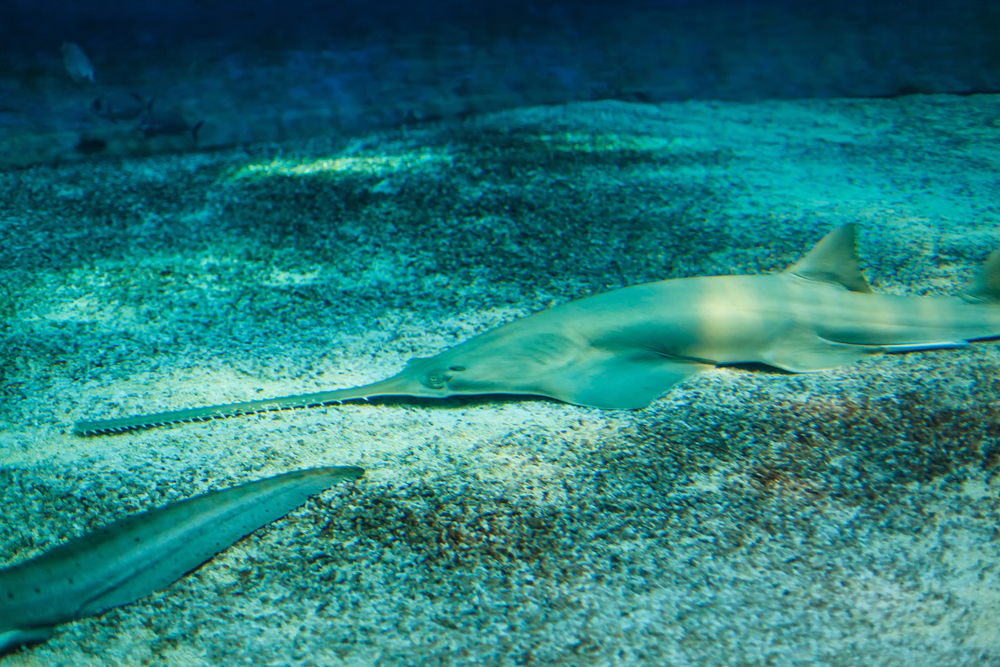
The 7 foot smalltooth sawfish had reportedly been entangled in fishing line for years, with the line tightly wrapped around its long, tooth lined rostrum. Over time, that restriction likely interfered with its ability to hunt, navigate, and protect itself. Instead of treating the encounter as a trophy moment or an opportunity for attention, the young fisherman alerted conservation authorities. That single decision allowed marine experts to step in, carefully remove the embedded line, and safely relocate and assess the animal.
Stories like this capture public attention because they reflect courage, empathy, and quick thinking. Yet they also invite a larger conversation about responsibility. When wildlife suffers from pollution and debris left behind by humans, it is not only an environmental issue confined to the ocean. It becomes a public health issue that affects food systems, climate stability, and even emotional well being.
This rescue offers an opportunity to look beyond the headline and viral video clips. It asks us to reflect on how our everyday habits affect ocean life, and in turn, how the condition of natural ecosystems affects our physical vitality and mental balance. The health of the planet and the health of people are far more connected than most of us realize.

The Smalltooth Sawfish: An Ancient Species Fighting for Survival
The smalltooth sawfish is not an ordinary fish, and its unusual appearance often sparks curiosity. With its distinctive saw like snout lined with sharp teeth, it looks prehistoric because it is part of an ancient lineage that dates back millions of years. Sawfish survived dramatic shifts in climate and geography long before humans walked the earth. Today, however, their greatest threat is not nature but human activity.
Overfishing, habitat destruction, coastal development, and discarded fishing gear have dramatically reduced their population. The smalltooth sawfish is listed as endangered in the United States, and conservationists closely monitor its numbers. Its slow reproductive rate makes recovery especially difficult, since females give birth to relatively few young after long gestation periods. When even one individual is harmed, it has a meaningful impact on the overall population.
In Florida waters, sawfish depend on shallow coastal habitats such as mangroves and estuaries. These ecosystems serve as nurseries for young fish and provide shelter from predators. Mangroves also stabilize shorelines, reduce erosion, and act as natural filters for pollutants. When these habitats are damaged by development, pollution, or climate change, marine biodiversity declines and food chains become less stable.
Protecting endangered marine species is not only about preserving beauty or biodiversity for future generations. It also protects the integrity of ocean systems that regulate climate, filter water, and support fisheries that feed communities. When one species disappears, the ripple effects can disrupt entire ecosystems, which ultimately sustain human life in visible and invisible ways.
What This Rescue Reveals About Ocean Pollution and Human Responsibility
The sawfish in this story had been trapped in fishing line for years, a detail that underscores how long pollution can persist in marine environments. Discarded fishing gear, often referred to as ghost gear, continues to entangle and injure wildlife long after it is lost or abandoned. Nets and lines drift through the water, silently trapping fish, turtles, and marine mammals.
Plastic pollution in oceans has been documented extensively by environmental organizations and research institutions. Fishing lines, nets, plastic packaging, and microplastics accumulate in coastal ecosystems and open waters alike. Marine animals can ingest or become entangled in these materials, leading to injury, infection, impaired mobility, and often death. These pollutants do not disappear quickly. Instead, they break down into smaller particles that remain in the food chain.
When plastics enter the marine food web, they can eventually affect human health. Studies have found microplastics in seafood, sea salt, and even drinking water supplies. Although research is still developing, scientists are examining possible links between microplastic exposure and inflammation, hormonal disruption, and metabolic changes. What begins as litter in the ocean can travel back to our dinner plates.
The teen’s quick action reminds us that responsibility does not rest only with large corporations or government policies. Individual choices matter in powerful ways. Proper disposal of fishing gear, reduction of single use plastics, and support for conservation programs all contribute to cleaner oceans. Cleaner oceans mean safer food sources, more stable ecosystems, and healthier communities overall.

Nature Exposure and Mental Wellness: Why Stories Like This Move Us
There is a reason this rescue story resonates emotionally with so many people. Humans are biologically wired to respond to nature, especially water. Research in environmental psychology shows that time spent near oceans, lakes, or rivers can reduce stress hormones, lower blood pressure, and improve overall mood. Simply watching waves or listening to water movement can trigger calming responses in the nervous system.
Coastal environments in particular have been associated with improved mental clarity and emotional balance. The open horizon creates a sense of spaciousness that can ease mental fatigue. Natural light exposure near water helps regulate circadian rhythms, which supports better sleep patterns. When we see wildlife protected rather than harmed, it reinforces a sense of harmony between humans and the natural world.
Witnessing acts of environmental stewardship can also inspire pro-social behavior. When young people take action to protect nature, it strengthens community trust and shared values. That sense of belonging and collective purpose is strongly linked to lower rates of anxiety and depression. People feel better when they believe their actions contribute to something meaningful.
Stories like this one provide a psychological reset in a media environment that often feels overwhelming. In a news cycle frequently dominated by conflict and crisis, an act of compassion toward wildlife restores optimism. Emotional well being is deeply intertwined with the belief that positive change is possible, and stories of rescue help nurture that belief.
Ocean Health and Physical Health: The Invisible Link
The oceans produce more than half of the oxygen we breathe, largely through microscopic marine plants known as phytoplankton. These organisms absorb carbon dioxide and help regulate global climate patterns. When ocean ecosystems are destabilized by pollution or warming waters, climate extremes can intensify, increasing heat related illnesses and respiratory stress for vulnerable populations.
Seafood is also a primary source of protein and omega 3 fatty acids for millions of people around the world. Healthy marine environments support sustainable fisheries that provide nutrient rich food. Contaminated or overfished waters threaten food security and nutritional balance, particularly in coastal communities that rely heavily on seafood as a dietary staple.
Climate change linked to environmental degradation increases the spread of waterborne pathogens and harmful algal blooms. These blooms can contaminate drinking water and seafood supplies, leading to gastrointestinal illness and other health concerns. Protecting marine ecosystems is therefore not separate from disease prevention and public health planning. It is part of a long term strategy for community wellness.
The rescue of one sawfish might seem small in the global context of environmental challenges. However, conservation actions accumulate over time. Each preserved habitat and each protected species contributes to a more stable ecological system. Stability in nature often translates into stability in food systems, climate patterns, and long term human health outcomes.

Raising a Generation That Cares: The Wellness Impact of Youth Activism
The teenager at the center of this story demonstrated more than fishing skill. He showed awareness, compassion, and civic responsibility at a young age. Youth engagement in environmental causes has grown significantly in recent years, and this involvement carries measurable psychological benefits for young people themselves.
Young individuals who participate in conservation activities often report higher levels of purpose and self confidence. Taking meaningful action builds a sense of competence and agency. It teaches that even one person can influence positive outcomes. That lesson can shape lifelong attitudes toward health, responsibility, and community engagement.
Outdoor recreation itself supports physical health in multiple ways. Activities such as fishing, kayaking, swimming, and participating in beach cleanup events increase daily physical movement. Exposure to natural sunlight supports vitamin D production, while time outdoors reduces screen time and sedentary behavior. These small shifts in routine can accumulate into meaningful health improvements.
Encouraging children and teenagers to interact respectfully with nature fosters lifelong healthy habits. When young people see themselves as caretakers rather than passive observers, they are more likely to adopt sustainable lifestyles. Those habits not only protect ecosystems but also support balanced nutrition, stress management, and physical vitality.

How You Can Support Ocean and Personal Wellness
You do not need to catch a 7 foot sawfish to make a difference in environmental health. Everyday choices made consistently can protect marine life and support your own health at the same time. When individual habits shift across communities, the cumulative effect becomes powerful.
Reducing plastic consumption is one of the most practical steps you can take. Choosing reusable bottles, bags, and containers decreases waste that might otherwise reach waterways through storm drains and rivers. Supporting local seafood sources that follow sustainable fishing practices helps protect fish populations and ensures cleaner food for your family.
Spending time near natural water bodies, whether oceans, lakes, or rivers, can enhance mental clarity and reduce stress levels. Even brief visits have been associated with improved mood and sharper focus. Pairing nature time with simple mindfulness practices such as deep breathing or quiet reflection can deepen these restorative benefits.
Educating yourself and sharing information about conservation issues builds awareness within your social circles. Conversations about reducing waste, protecting wildlife, and supporting marine programs encourage others to reflect on their own habits. Personal wellness and environmental stewardship are not separate goals. They move forward together.
A Ripple Effect That Starts With One Choice
The rescue of the smalltooth sawfish in Florida began with one teenager making a compassionate decision in a single moment. That decision set off a chain of events that saved an endangered animal and inspired thousands of people who encountered the story online or through local news.
Ocean conservation can sometimes feel overwhelming because the scale of pollution and climate change is vast. Yet this story reminds us that individual action still matters deeply. One responsible choice can protect a life, influence conservation efforts, and encourage others to act with similar care.
When we care for marine ecosystems, we care for ourselves in tangible and measurable ways. Cleaner waters mean safer seafood and reduced toxin exposure. Healthy coastal habitats support climate balance and economic stability for communities. Acts of compassion toward wildlife strengthen our emotional health and sense of shared responsibility.
The next time you read a viral rescue story, pause and consider what it represents beyond the headline. It is more than a feel good moment. It is a reminder that your health and the health of the planet are interconnected through air, water, food, and shared environments. Every positive choice creates ripples that travel farther than we can see.
