
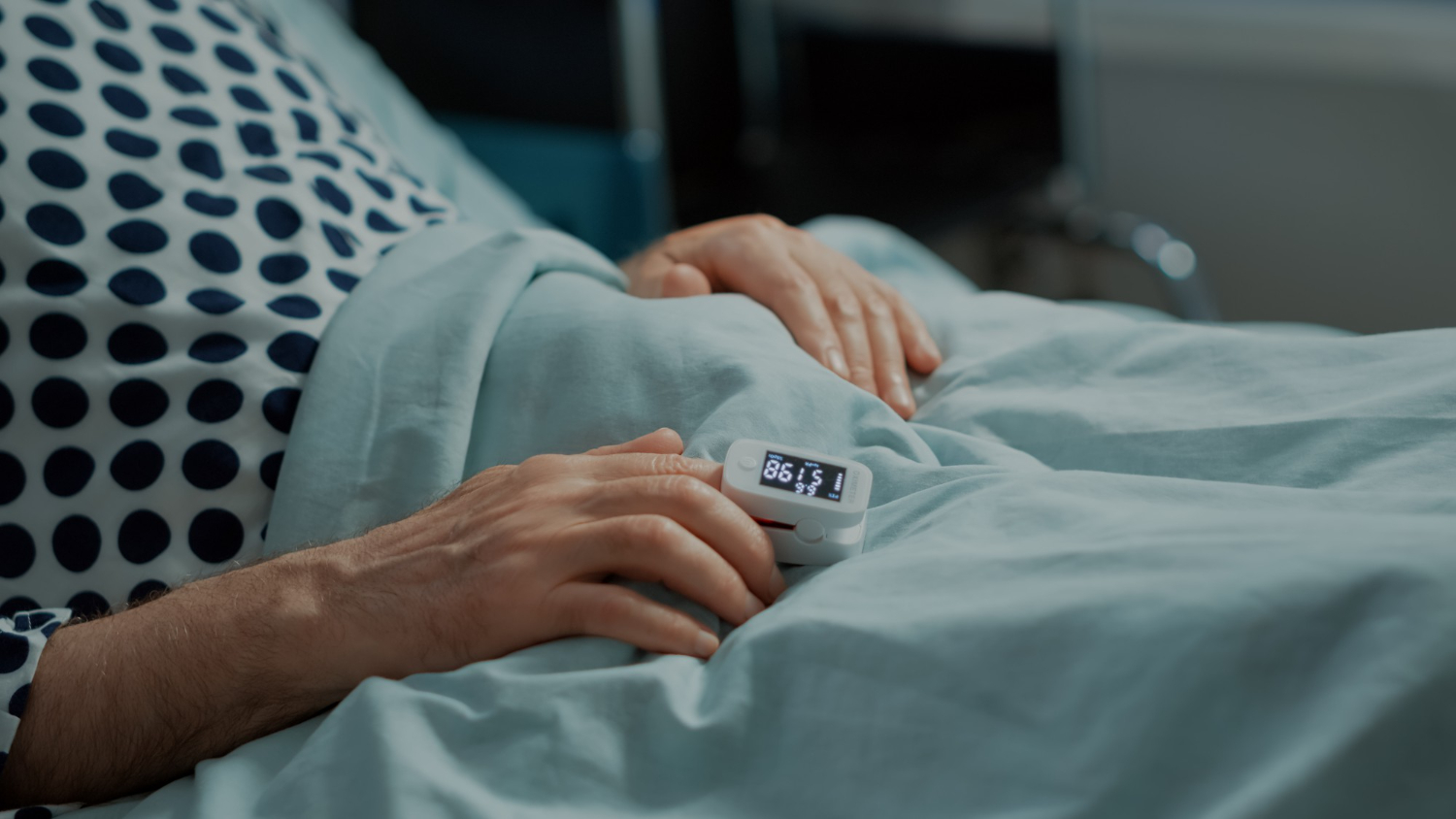
Mark Brooks had always been the type to push through. At 53, he prided himself on staying fit, hitting the gym with the discipline of someone half his age. So when a brutal sore throat left him feeling rough in December 2023, he didn’t let it stop him. He fasted, laced up his trainers, and powered through an intense workout anyway.
During that session, he tweaked his elbow. Nothing serious, or so he thought. Just a minor strain that would sort itself out in a few days.
He had no idea that within 24 hours, he would be fighting for his life. And he had no idea that something was already growing inside him, something that would leave doctors racing against time to save his arm and his life.
Flu-Like Symptoms Masked Something Far Worse
After his workout, Mark developed a fever. He slept hard, his body desperate for rest. But when he woke up, something felt wrong. His elbow throbbed with pain so intense it felt like he had smashed it against his bedside table in the night.
Soon, vomiting followed. Mark tried to make sense of what was happening. A bad elbow, a sore throat, and now what seemed like food poisoning? He chalked it up to terrible timing, a perfect storm of minor ailments hitting him all at once.
But beneath his skin, something far more sinister was at work. Bacteria had found their way into his body, and they were hungry. With every passing hour, they multiplied and spread, destroying tissue as they went. Mark had no visible wound, no obvious sign that anything catastrophic was unfolding inside his arm. His condition deteriorated fast. Too fast.
“I Only Had One Good Decision Left in Me”
As the hours passed, Mark noticed his thinking becoming foggy. His body was failing, and his mind was starting to follow.
“I remember sitting on the carpet thinking that my decision making capacity was diminishing and that I only had one good decision left in me,” he later recalled.
In that moment, Mark made the choice that would save his life. He got himself to the hospital. Had he waited even a few more hours, the outcome might have been very different.
An Initial Misdiagnosis Almost Cost Him His Arm
When Mark arrived at the hospital, doctors examined his swollen, painful arm and made an initial diagnosis. Compartment syndrome, they concluded. A painful condition where pressure builds up inside a muscle compartment, restricting blood flow. It was serious, but treatable.
Yet something didn’t add up. Mark’s symptoms were progressing too fast, and his condition was worsening by the minute. And then a large bruise appeared on his arm, seemingly out of nowhere. Medical staff rushed him into emergency surgery. What they found inside his arm shocked them.
Necrotizing Fasciitis Was Eating Him Alive

Surgeons discovered that Mark had necrotizing fasciitis, a rare and aggressive bacterial infection often called the “flesh-eating disease.” Bacteria had invaded the tissue beneath his skin and were destroying everything in their path. Skin, fat, muscle, and connective tissue were all being consumed at an alarming rate.
Even worse, the bacteria had entered his bloodstream. His kidneys began to shut down. Mark was in multi-organ failure.
He spent a week in the intensive care unit, his life hanging in the balance. Doctors told him what was happening inside his body, and the words hit hard. Multi-organ failure sounded bad. It was bad.
What Is Necrotizing Fasciitis?
Necrotizing fasciitis is a severe bacterial infection that targets the fascia, a layer of connective tissue beneath the skin that surrounds muscles, nerves, fat, and blood vessels. Once bacteria enter through a wound, cut, burn, or even a minor skin break, they can spread with terrifying speed.
Early symptoms often mimic the flu. Fever, body aches, chills, and nausea can all appear in the initial stages. Intense pain near the site of infection is common, often disproportionate to any visible wound. As the infection progresses, later symptoms include vomiting, diarrhea, confusion, and skin that becomes discolored, blistered, or blackened.
Mortality rates for necrotizing fasciitis range from 20% to 40%, depending on how early treatment begins. In severe cases like Mark’s, where the infection had already spread to the bloodstream and caused organ failure, the odds drop even further.
Speed is everything. Without rapid diagnosis and aggressive treatment, the infection can kill within days or even hours.
“You Could See Straight Through My Arm”

As Mark lay in his hospital bed, doctors worked to assess the damage. What they found was grim. “At one point, you could see straight through my arm. There was bone with nothing supporting it,” Mark said.
Necrotizing fasciitis had destroyed so much tissue that there was little left to hold his arm together. Skin, muscle, and connective tissue had been eaten away, leaving exposed bone surrounded by devastation. Looking at his own limb was horrifying, a sight Mark would never forget.
But amputation was not guaranteed. His surgical team believed they could save the arm, and they were determined to try.
25 Surgeries to Save His Limb
Over the next nine weeks, Mark remained in the hospital while doctors fought to control the infection and rebuild what had been destroyed. He underwent 25 separate operations during that time.
Surgeons removed dead skin, his brachialis muscle, most of his tricep, a finger flexor, and the connective tissue between his muscles. Each procedure aimed to cut away infected or necrotic tissue while preserving as much healthy tissue as possible.
Between surgeries, doctors used a vacuum pack to keep the limb viable. The device helped remove fluid and promoted blood flow to the remaining tissue, buying time while they battled the infection.
Slowly, the tide began to turn. Antibiotics and surgical debridement started to gain ground against the bacteria. Mark’s arm remained attached to his body, battered but still there.
Skin Grafts Brought the Worst Pain of His Life

Once the infection was under control, reconstruction began. Doctors needed to cover the exposed bone and rebuild Mark’s arm using tissue from other parts of his body.
Skin was harvested from his leg and back for graft procedures. Fat was taken from his stomach and packed around the exposed bone to provide support. Surgeons even removed a muscle from his back and repositioned it to help rebuild his arm.
Mark woke from these procedures in agony. He described the pain from the donor sites as worse than the arm itself. He found himself crying uncontrollably, overwhelmed by the intensity of what his body had endured.
Recovery was brutal, both physically and mentally. Each surgery brought new pain, new challenges, and new fears about what the future would hold.
One Different Hospital Could Have Meant Amputation
Looking back, Mark understands how close he came to losing his arm entirely. Not every hospital has a surgical team equipped to handle such a severe case of necrotizing fasciitis. Not every surgeon would have fought to save the limb.
“If I’d gone to an orthopaedic surgeon, they would have amputated. One different decision, one different hospital, and my life would be totally different,” Mark said.
He credits his survival and his intact limb to the skill and determination of his medical team. One different choice along the way, and the outcome could have been devastating.
£450,000 in Medical Bills and Counting
Saving Mark’s life and his arm came at a staggering cost. Reconstruction bills have already reached around £450,000, all covered by insurance. Tens of thousands more in expenses are expected as additional surgeries lie ahead.
For Mark, the financial burden is secondary to the physical and emotional toll. But the numbers speak to the severity of what he endured and the resources required to bring him back from the brink.
PTSD Followed the Physical Trauma

Surviving necrotizing fasciitis left Mark with more than physical scars. He developed post-traumatic stress disorder in the aftermath, struggling to process what had happened to his body and how close he had come to death.
To cope, Mark turned to gratitude. Rather than dwelling on what he had lost, he focused on what remained. He still had his arm. He still had his life. He still had his family.
Gratitude became his antidote to despair, a way to find meaning and hope after an ordeal that could have broken him.
“I’m Just Thankful to Be Alive”
Given the severity of his case, Mark’s mortality risk was closer to 50%. Most people would not have survived what he went through. He knows how lucky he is.
Now, Mark wants his story to help others. By sharing what happened to him, he hopes to raise awareness about necrotizing fasciitis and its warning signs. Early recognition can mean the difference between life and death, between keeping a limb and losing one.
He went from healthy and active to fighting for survival in less than 24 hours. One scratched elbow, one sore throat, one intense workout, and suddenly everything changed.
Warning Signs You Should Never Ignore

Necrotizing fasciitis can affect anyone, and it often begins with something as simple as a small cut, scrape, or insect bite. Knowing the warning signs could save your life.
Watch for intense pain near a wound or injury that seems far worse than expected. Rapid swelling, redness, or warmth around the affected area should raise concern. Flu-like symptoms such as fever, chills, fatigue, and body aches can appear early.
As the infection progresses, symptoms may include vomiting, diarrhea, confusion, and changes in skin color. Blisters filled with dark or bloody fluid, or patches of skin that turn purple, grey, or black, signal severe tissue damage.
If you notice any of these signs, seek emergency medical care immediately. Do not wait to see if symptoms improve on their own. With necrotizing fasciitis, every hour counts. Prompt treatment with antibiotics and surgery offers the best chance of survival.
Mark Brooks considers himself lucky to be alive. His story serves as a powerful reminder that even healthy, active people can fall victim to infections that strike without warning. Paying attention to your body and acting fast when something feels wrong could be the decision that saves your life.
