
Skin is often the first place where internal changes in your body show up. A small rash, a discolored patch, or even a white dot can carry more meaning than you might expect. Recently, health experts have issued an alert about the sudden appearance of tiny white spots that can form on your face or intimate areas. While these bumps are usually harmless, understanding what they are and how to handle them can make a real difference in protecting your skin health.

What Are These White Spots Really?
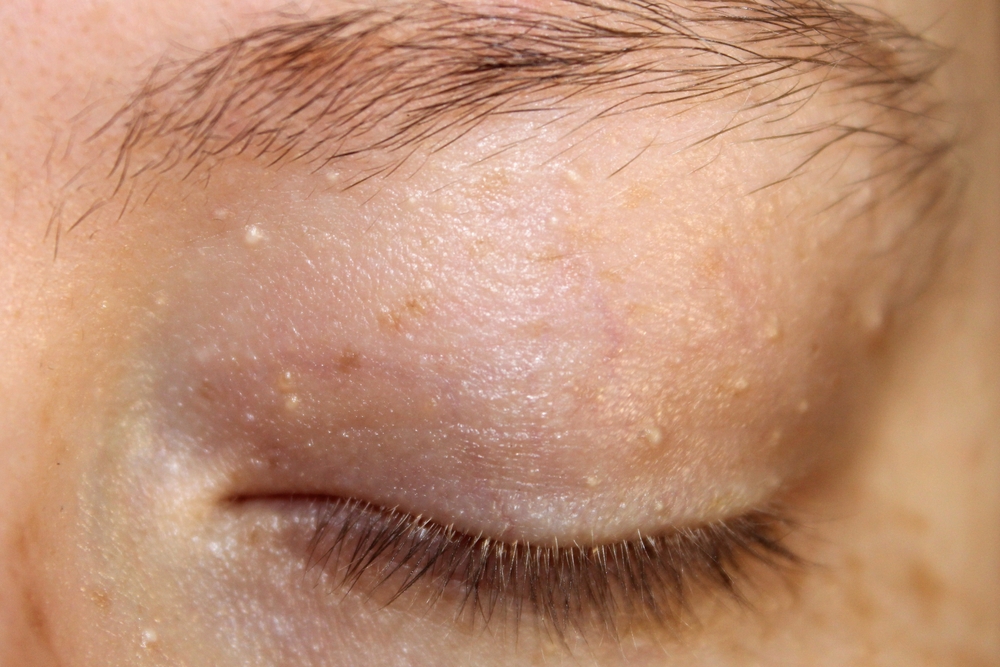
White spots known as milia are tiny cysts that develop just beneath the skin’s surface when keratin or dead skin cells become trapped instead of being naturally shed. They often appear as small, round, white or yellowish bumps that feel firm to the touch. Each bump forms when the skin’s natural renewal process slows down, leading to a miniature plug of hardened keratin sealed under a thin layer of skin. These cysts are not infections or clogged pores like acne but rather a benign buildup of skin protein.
Milia can occur anywhere on the body but are most common on the face, around the eyes and lips, and sometimes in intimate areas. They may emerge after minor skin trauma, sun damage, burns, or the use of heavy products that block natural exfoliation. People with thicker or drier skin types may notice them more often, and newborns sometimes develop them briefly as part of normal skin adjustment.

Dr. Marnie Nussbaum describes milia as “tiny keratin-filled cysts on the surface of the skin.” She emphasizes that they differ from whiteheads or acne because they contain solid keratin rather than liquid sebum and bacteria. This makes them harder and more resistant to extraction. While harmless, they can be stubborn and slow to resolve without professional or gentle at-home care.
Unlike conditions explained later, such as acne or viral sores, milia are noninflammatory and typically painless. They do not spread through contact or infection. Their persistence has more to do with skin renewal speed and barrier function than with hygiene. Understanding this distinction helps people care for their skin correctly and avoid unnecessary irritation or scarring from attempts to remove them.
Expert Analysis Underlying Triggers Behind Milia Formation
Beyond the basic understanding of how milia appear, several deeper influences determine why they form and persist. Dermatologists report that the skin’s ability to shed dead cells and renew itself depends on hormonal balance, environmental exposure, and even genetic makeup. During puberty, pregnancy, or other times of hormonal fluctuation, the skin may produce more keratin than usual, increasing the likelihood of small cysts developing under its surface.
Excessive sun exposure and heat can thicken the skin’s outer layer, making it harder for dead cells to slough away naturally. People who use heavy creams, makeup, or sunscreens may also experience clogged pores that prevent proper exfoliation, allowing keratin to become sealed beneath the surface. A study discusses how post-traumatic healing, such as from burns or abrasions, can trap keratin under regenerating layers of skin, leading to secondary milia formation.

Certain underlying conditions such as blistering disorders or the prolonged use of topical steroid creams can make the skin more prone to milia recurrence. These cases often benefit from dermatological supervision to manage both the surface appearance and the internal cause. Lifestyle factors including poor hydration, smoking, and limited nutrient intake may further slow skin renewal, underscoring the need for consistent care and balance in daily routines.
This understanding shows that milia are not simply cosmetic but can be subtle indicators of how efficiently the skin repairs and renews itself. Addressing these internal and external triggers supports a clearer, healthier complexion.
How to Tell Milia Apart From Other Skin Conditions
Milia are often mistaken for other common skin issues, but subtle differences in how they look and behave can help identify them correctly. Understanding these distinctions prevents unnecessary treatments and helps you care for your skin appropriately. Milia usually appear as firm, dome-shaped white or yellowish bumps that do not itch or become inflamed. They tend to remain the same size for weeks or even months and are not contagious. Acne, on the other hand, often presents with redness, tenderness, and may contain pus or fluid because it involves bacteria and clogged pores. Cold sores appear as fluid-filled blisters that form, burst, and crust over, typically caused by a viral infection around the lips or mouth. Genital herpes has similar viral origins but develops as clusters of painful sores on the genital area, sometimes accompanied by tingling or burning sensations.

Other skin conditions, such as keratosis pilaris or clogged sebaceous glands, may also resemble milia but behave differently. Keratosis pilaris produces rough, tiny bumps often found on the arms or thighs, whereas milia are smoother and localized closer to delicate skin regions. Sebaceous gland blockages are softer and usually express an oily material when pressed, unlike the solid composition of milia. Identifying these distinctions can be difficult without a trained eye, so visiting a dermatologist is the safest way to confirm a diagnosis. A professional can examine the structure of the bumps, possibly under magnification, to determine whether they are milia or another skin concern that requires a different treatment plan.
Why You Should Never Pick at White Spots
Trying to pop or pick at milia may seem harmless, but it can actually create more harm than good. When you puncture or press on these tiny cysts, you risk breaking the protective barrier of the skin. This opens the door for bacteria to enter, which can lead to redness, inflammation, or infection. Damaging the upper layer of skin also increases the likelihood of scarring and post-inflammatory hyperpigmentation, especially for people with darker complexions. Since milia are encased under a thin sheet of skin and do not contain fluid, they do not respond to squeezing the way acne lesions do. The keratin inside is firm and solid, meaning that pressing on the bump only irritates the area around it rather than removing its contents.
Dermatologists caution that attempting to extract milia at home with needles, tweezers, or other sharp tools can cause microtears that disrupt the natural healing process. Improper handling can also spread surface bacteria to other pores, leading to new breakouts or secondary infections. As Healthline notes, “Don’t pick or squeeze Fordyce spots. This won’t make them go away, and it can cause infections to develop.” The same principle applies to milia. Allowing the bumps to fade naturally or having them treated professionally through sterilized extraction is the safest approach. Dermatologists use specialized instruments and precision techniques that release the keratin plug without injuring the surrounding skin. This ensures clean healing and minimizes any chance of scarring or recurrence.

Picking may also interfere with the skin’s own regenerative rhythm. Every time the surface is damaged, it must divert energy to repair rather than renew, delaying overall skin improvement. Maintaining a consistent skincare routine that supports natural exfoliation and hydration is more effective than trying to force the bumps out. Understanding that patience and professional care lead to healthier results helps prevent unnecessary complications and keeps the skin barrier strong.
Gentle Treatment and Prevention Tips
Milia can often resolve naturally over time, but you can support your skin’s renewal process with simple, effective care. Treatment should focus on maintaining a healthy skin barrier while encouraging cell turnover through gentle and consistent habits. Unlike acne or other skin concerns that respond to aggressive cleansers or extraction, milia require a slower and more delicate approach. The goal is to keep pores clear, reduce buildup, and protect the surface from irritation or damage.

- Exfoliate Gently: Incorporate mild exfoliation into your skincare routine two or three times per week. Look for formulas containing fruit enzymes, lactic acid, or glycolic acid to dissolve dead skin cells without stripping the skin. Over-exfoliation can aggravate the surface and worsen sensitivity, so consistency and moderation are key.
- Avoid Heavy Creams: Rich or oil-based products can block pores and interfere with the natural shedding of skin cells. Opt for light, non-comedogenic moisturizers that provide hydration without creating a barrier that traps keratin beneath the surface.
- Try Retinol: Retinol supports skin renewal by increasing cell turnover, helping trapped keratin reach the surface and clear away. Start with a low concentration and use it only at night to avoid irritation, especially if you have sensitive skin. Pairing retinol with a gentle moisturizer can reduce dryness.
- Stay Hydrated: Drinking sufficient water each day and using a water-based moisturizer help maintain elasticity and barrier function. Hydrated skin renews itself more efficiently and is less likely to retain buildup that can lead to cyst formation.
- Protect from the Sun: Consistent sun exposure can thicken the skin’s outer layer, making it harder for dead cells to shed naturally. Apply a broad-spectrum sunscreen of at least SPF 30 daily to prevent this effect and reduce the appearance of existing bumps.
- Consult a Professional: If milia persist despite proper care, dermatologists can remove them safely using sterile tools or gentle procedures such as microdermabrasion, chemical exfoliation, or light therapy. These methods target the hardened keratin without damaging surrounding tissue.
A skincare routine that prioritizes balance and protection rather than forceful removal ensures long-term improvement. By treating the skin with patience, consistency, and attention to its natural processes, you encourage smoother, clearer skin that stays healthy and resilient.
A Fresh Look at Your Skin’s Health
Your skin is a living reflection of how well you nurture your body, and every mark or spot tells a part of that story. Those tiny white bumps that once caused worry are often reminders that your skin needs a little more balance and patience, not punishment. By protecting your skin barrier, nourishing it with the right nutrients, and allowing it time to renew, you empower it to recover naturally and radiate health from within. A calm, consistent skincare approach speaks louder than any quick fix.

Healthy skin is not about chasing flawlessness but about cultivating respect for what your body is trying to communicate. When you treat your skin as an organ that responds to care, rest, and mindfulness, you move toward lasting clarity and confidence. Every choice, from how you cleanse to how you rest, becomes an investment in a smoother, stronger, and more vibrant complexion that truly reflects your overall well-being.
