
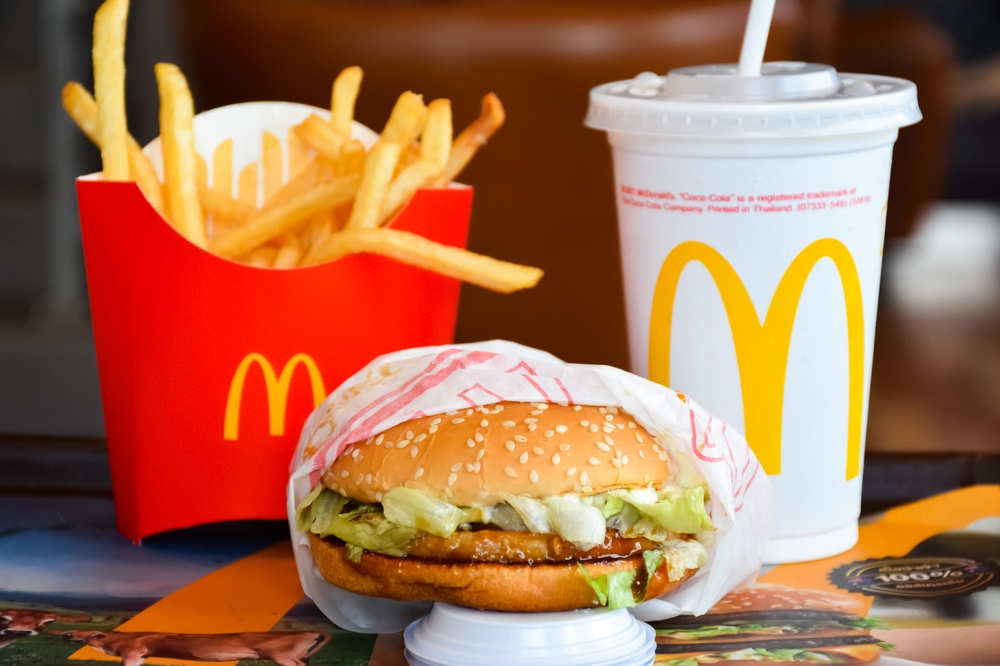
When a migraine hits, the world shrinks to a dull ache and pulsing light. Every sound feels amplified, every smell exaggerated, and even a faint glow from a phone screen can feel unbearable. If you’ve ever been there, you know the desperation that sets in when the usual painkillers barely take the edge off. You might have tried dark rooms, essential oils, cold compresses, or cups of coffee: sometimes all within the same hour. But recently, a surprising “remedy” has taken social media by storm: the idea that a McDonald’s Coke and fries might work better than medication for stopping a migraine in its tracks.
According to a viral post, this fast-food combo has been praised by sufferers who swear it brings relief when nothing else works. And while it might sound like clickbait, a medical educator named Dr. Myro explained in a viral video that there are, surprisingly, three scientific reasons why it might help: at least temporarily. He attributes the relief to a mix of dopamine release, caffeine content, and salt replenishment, each influencing the body and brain in different ways. But before you sprint to the nearest drive-through the next time a migraine strikes, it’s worth asking: how much of this is real biology, and how much is just comfort disguised as chemistry?
Migraines aren’t ordinary headaches: they’re complex neurological events involving changes in blood flow, inflammation, nerve activation, and neurotransmitter fluctuations. That means any “fix” that genuinely helps would need to touch several systems at once. Interestingly, the Coke-and-fries combo might accidentally do just that, albeit in a messy, unpredictable way. So let’s explore each factor: dopamine, caffeine, and salt: and see whether this comfort-food cure actually holds up in the light of science.

The Dopamine Lift: Why Comfort Food Feels Therapeutic
The first part of Dr. Myro’s explanation rests on the idea of dopamine, a neurotransmitter responsible for feelings of pleasure, reward, and motivation. During a migraine, dopamine activity in the brain tends to drop significantly, contributing to fatigue, mood changes, and that classic “I just want to hide” feeling. Research published in Frontiers in Neurology (Da Silva et al., 2018) shows that this dopamine dip might even contribute to the early phases of a migraine attack, creating a cascade of symptoms that make pain perception worse. When you eat comfort food: especially something salty, fatty, and satisfying like fries: your dopamine system fires up again. That’s why the first bite feels like instant relief.
From a psychological standpoint, this dopamine response also activates your brain’s reward circuit, creating a sense of calm and control in a moment that otherwise feels chaotic. Think of it as a mini reset button for your mood. For people who associate McDonald’s with nostalgia, routine, or emotional comfort, this reaction can be even more powerful. The smell of fries, the fizz of a Coke, and the predictable taste all reinforce a soothing pattern that tells your brain: “You’re safe, you’re cared for, things are getting better.”
However, dopamine’s effects are mostly emotional, not curative. It helps your mind cope with discomfort, but it doesn’t target the biological root of a migraine. The relief is real, but it’s similar to how laughter or music can briefly distract you from pain: it changes your experience of the discomfort without reversing the neurological storm happening inside your head. That’s why while this “dopamine hit” may make you feel lighter and calmer, it’s not actually neutralizing the migraine mechanism itself.
Still, it would be a mistake to dismiss that as meaningless. Emotional distress can amplify physical pain, especially in chronic migraine sufferers. By improving mood and reducing anxiety, the dopamine surge might indirectly make migraines feel shorter or less intense. So while fries and Coke aren’t medicine, the comfort they provide may still play a small but genuine role in easing suffering.

Caffeine: The Brain Chemical Wildcard
The second ingredient in this migraine “cure” is caffeine: the stimulating compound in your Coke. A large McDonald’s Coke contains around 85 milligrams of caffeine, which is roughly the same as a small coffee or a couple of strong cups of tea. Caffeine works by blocking adenosine receptors in the brain. Adenosine is a chemical that builds up throughout the day, making you feel tired and relaxed; during a migraine, it also contributes to dilation of blood vessels, which can worsen pain. By blocking adenosine, caffeine causes those blood vessels to constrict slightly, reducing inflammation and pressure that may intensify migraine pain (The Journal of Headache and Pain, 2022).
That’s why caffeine is an ingredient in several over-the-counter migraine medications. It enhances the pain-relieving effect of analgesics like aspirin or acetaminophen and speeds up their absorption. However, caffeine is a double-edged sword. In moderation, it can provide relief, but too much: or irregular use: can actually trigger migraines. A 2019 study published in The American Journal of Medicine found that drinking more than three caffeinated beverages a day increased migraine risk, especially in people who weren’t habitual caffeine consumers (Mostofsky et al., 2019).
This paradox happens because caffeine affects the brain’s vascular system and neurotransmitters in a dose-dependent way. When consumed occasionally, it constricts blood vessels, offering short-term relief. But with frequent use, the body adapts, causing “rebound” dilation when caffeine levels drop. That rebound can spark a new migraine, creating a vicious cycle. So, if you’re caffeine-sensitive or rely heavily on daily soda or coffee, a large Coke might be more of a gamble than a remedy.
Still, for someone who rarely drinks caffeine, a single dose might provide a noticeable reduction in pain—especially when taken early in a migraine attack. The key is knowing your own threshold. What soothes one person’s migraine could be another’s trigger, making caffeine both a hero and a villain in this story.

Salt, Hydration, and Electrolytes: The Fries Factor
Then there’s the humble fry. At first glance, it might seem absurd to think salt and oil could ease a neurological event, but there’s some physiological reasoning here, too. Migraines can often be linked to dehydration and electrolyte imbalance. When your body loses water—through sweating, stress, or even skipping meals—it also loses sodium, potassium, and magnesium. This can affect nerve function and blood flow, both of which play key roles in migraine development. Eating salty food helps your body retain water and balance these electrolytes, at least temporarily.
That’s why some migraine sufferers report relief after drinking an electrolyte solution or eating salty snacks. A 2020 review in Nutrients found that electrolytes, particularly sodium and magnesium, influence vascular tone and neuronal excitability, which can modulate migraine frequency and severity (Sun-Edelstein & Mauskop, 2020). Theoretically, fries could mimic part of that effect by restoring sodium levels, especially if dehydration was part of the trigger. Combined with a caffeinated beverage that encourages fluid intake, it might give the body just enough hydration boost to reduce migraine intensity.
However, this comes with caveats. Most fast food contains excessive sodium, which can worsen blood pressure and water retention in sensitive individuals. For some people, high salt intake actually triggers migraines instead of relieving them. In addition, while fries may provide sodium, they lack magnesium—one of the minerals most strongly linked to migraine prevention. So, while there’s a grain of truth in the idea that salty fries “rehydrate” you, they’re not a balanced electrolyte remedy.
Still, the sensory comfort of eating something warm and salty shouldn’t be overlooked. The act of eating fries when you’re feeling miserable is familiar and grounding. Sometimes, the sense of normalcy itself—combined with small physiological shifts—creates enough relief to matter.

The Placebo Power of Familiar Rituals
Beyond the biochemistry, there’s a powerful psychological dimension at play. The ritual of going to McDonald’s, ordering your usual meal, and tasting something familiar can have a placebo effect that genuinely alters brain function. Placebo responses aren’t imaginary—they involve measurable changes in pain perception and neural activity. Studies published in Pain (Kaptchuk et al., 2020) demonstrate that even open-label placebos, where people know they’re taking something inert, can still reduce pain through expectation and conditioning.
When you expect relief, your brain releases endorphins—natural painkillers that modulate the body’s perception of discomfort. That means if your brain associates McDonald’s Coke and fries with feeling better, it might actually create a self-fulfilling loop. The comfort food becomes a cue that activates the body’s own pain-soothing systems. Over time, this association can strengthen, making the ritual even more effective. It’s similar to how a warm blanket or a specific song can calm anxiety—not because of their physical properties, but because of the emotional conditioning behind them.
This placebo power doesn’t make the effect “fake.” Pain perception is as much about the mind as the body, and anything that lowers stress and increases a sense of control can reduce symptom severity. That’s why the fries-and-Coke fix, while unconventional, might genuinely help some people even if no ingredient is technically medicinal. In fact, the more predictable and comforting a ritual feels, the stronger its neurological impact can be.
Ultimately, whether the effect comes from dopamine, caffeine, or placebo, the result is the same—you feel human again. And when you’re trapped in migraine fog, that feeling alone can be healing in its own right.

When This Hack Might Help—and When It Definitely Won’t
It’s easy to see why people cling to this trick. It’s accessible, affordable, and—let’s be honest—delicious. For some, the combination of hydration, caffeine, and comfort genuinely helps them bounce back faster. If you’re mildly dehydrated, have low caffeine intake, and respond well to dopamine-triggering foods, this remedy might bring noticeable relief. It’s also harmless as an occasional indulgence, provided you don’t have conditions that make caffeine or salt problematic.
However, it’s not a miracle cure. For many migraine sufferers, caffeine and sodium are known triggers rather than helpers. Overuse can lead to rebound headaches, dependency, and worsening migraine cycles. The danger isn’t in having a Coke and fries once—it’s in mistaking that fleeting comfort for a reliable treatment plan. Relying solely on this approach risks ignoring underlying causes like hormonal imbalances, poor sleep, stress, or nutritional deficiencies.
If your migraines are frequent, severe, or unpredictable, it’s worth consulting a healthcare professional to explore preventive options. Treatments like magnesium supplements, triptans, or behavioral therapy have strong clinical evidence behind them. You can still enjoy your comfort food occasionally, but think of it as an emotional coping tool, not a medical solution. Awareness is key: the more you understand your own migraine patterns, the easier it becomes to tell when fries might help—or when they’ll just make things worse.

Natural Ways to Support Migraine Relief (Without the Drive-Through)
While the McDonald’s “hack” makes for an entertaining story, long-term migraine management usually requires a more balanced, natural approach. Start with the basics: hydration. Keep a refillable water bottle with you throughout the day, and add a pinch of sea salt or an electrolyte tablet if you’ve been sweating or skipping meals. Staying hydrated helps maintain stable blood volume and can prevent the kind of vascular changes that trigger headaches.
Next, pay attention to caffeine balance. For regular caffeine consumers, consistency is your ally. Cutting out caffeine suddenly can provoke withdrawal headaches, while random spikes—say, a big Coke after a caffeine-free week—can shock your system. Try to maintain steady intake or taper gradually if you plan to reduce it. At the same time, nourish your body with magnesium-rich foods like spinach, pumpkin seeds, almonds, and dark chocolate. Magnesium supports muscle relaxation and nerve function and has been shown to reduce migraine frequency in multiple studies (Mauskop & Varughese, 2012).
Lifestyle factors are equally powerful. Practice regular sleep hygiene—go to bed at the same time each night, limit screens before bed, and keep your bedroom cool and dark. Stress management techniques like yoga, breathwork, or meditation can also lower migraine frequency by calming the overactive nervous system. Even a 10-minute mindfulness routine can help stabilize stress hormones that contribute to headaches (Wells et al., 2020). And if you know certain foods, lights, or smells set you off, treat that knowledge like gold. Avoiding personal triggers is often the most effective—and most overlooked—form of migraine prevention.
Over time, these small daily choices form a foundation that keeps migraines from taking over your life. You can still have your fries and Coke once in a while, but your real migraine “medicine” will come from the habits that support your nervous system every day.
