Often, we have heard of the term “reflexology”, but we are still not sure of what it really means. Reflexology is an ancient Chinese practice of putting pressure and massaging specific points in the body to alleviate stress and tension, boost the healing tendencies of the body, and promote overall health. This practice has become popular and has been widely used in the West as an exceptional therapeutic practice to treat various health issues.
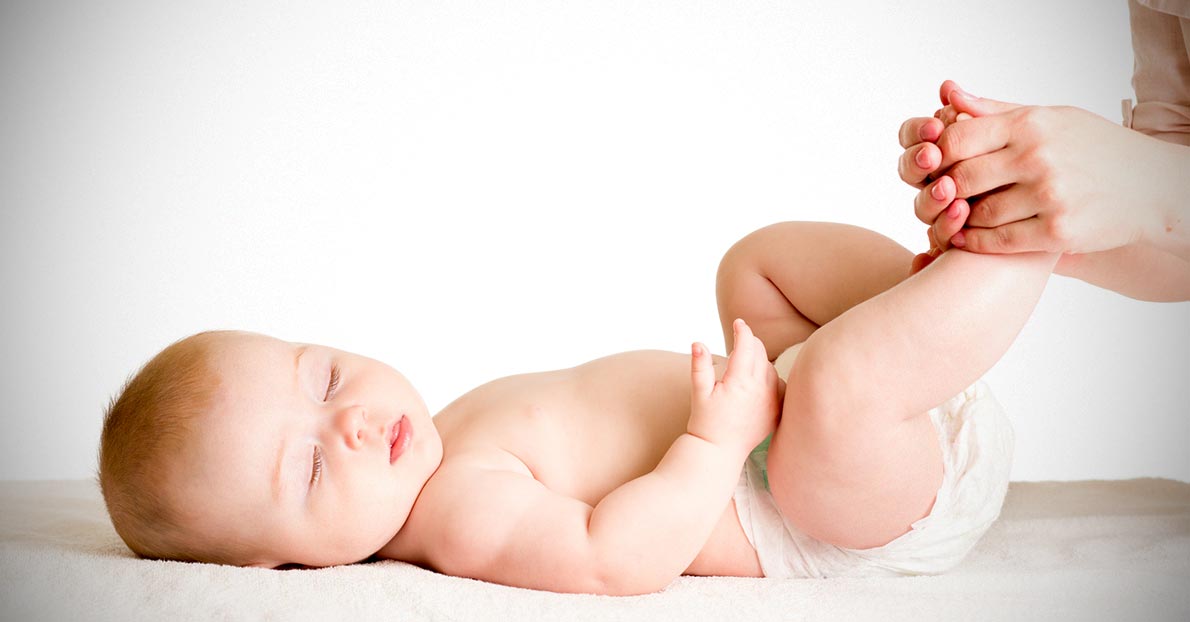
Reflexology is also an ancient practice that has been used as a very safe method to calm crying or cranky babies down. This method can help you find out what is troubling your baby and solve the issues as soon as possible. Babies have been found to respond to reflexology more positively than compared to adolescent people and adults. This is because it is believed that the feet and the hands of babies are connected to certain muscles, organs, and organ systems in the body. Babies’ feet specifically have undeveloped arches and their skin and bones are very soft. This is why, reflexology is an ideal option to calm babies down. When pressure is gently applied in babies’ feet and massaged well, energy flow is restored to the entire body. It is also considered that babies calm down once they are held and rested on the chest or when their backs are rubbed gently. It has also been found that when pressure is applied to a baby’s feet gently, certain body parts are affected and some common health problems are alleviated.
1. Issues With The Head And The Teeth
When a baby’s toes’ tips are rubbed gently, certain issues connected with the head and the teeth are relieved. It is also an excellent natural method to relieve a baby from ear infections. This practice is highly recommended when the baby is teething.

2. Inflamed Sinuses
The center of the toes of a baby, when gently pressed, reduces sinus problems. This practice is used to alleviate symptoms of sinusitis, which include common cold, a running nose, chest pain, breathing difficulties, etc.
3. Chest Congestion

It has been found that the top of the foot above the arch is connected with the chest area of a baby. When pressure is applied on this part of the feet, the baby is relieved from chest congestion and is helpful in treating cold, cough, and eliminate phlegm. This practice has proved to treat congestion effectively.
4. Abdominal Pain
The foot’s arch is linked with the abdomen and the upper abdominal area is related to the upper half of the foot’s arch. By applying pressure to this area of the feet, digestive problems like bowel obstruction and heartburn can be relieved.
The lower half of the arch is, similarly, linked with the lower abdominal area. This means that when pressure is applied on this part of the baby’s foot, it helps alleviate problems like bloating and constipation.
5. Solar Plexus
Solar plexus is a complex nerve set, which is found between the stomach and the lungs. The arch of the upper foot is connected with the solar plexus and when pressure is applied on this area of the feet, solar plexus pain can be reduced.
6. Pelvis
The heels have proved to be linked with the pelvic area in babies. By pressing the heels gently, issues that arise from postural problems such as muscle tightness can effectively be treated.
Although reflexology is a safe and effective method to calm crying babies down, this alternative medication should not be completely substituted and medical attention must be still sought for babies who are suffering from any ailment.
7. Ears and Balance Issues
The area just below the toes, specifically at the ball of the baby’s foot, is believed to be connected to the ears and the body’s balance system. Reflexologists suggest that gently pressing and massaging this region can be highly effective in relieving ear discomfort, particularly during colds or minor ear infections. This can be a gentle yet impactful method to provide comfort, especially when your baby is showing signs of irritability linked to ear problems.
Babies are especially prone to earaches due to their sensitive ear canals and frequent colds. By using reflexology, parents can offer natural relief without invasive measures. The light touch of reflexology in this region can stimulate the body’s natural healing response, reducing inflammation and promoting better fluid drainage in the ears. This can help restore balance, especially if the baby seems dizzy or off-balance during an illness.
Additionally, this practice can be particularly helpful during changes in altitude, such as during flights, when babies often experience ear pressure issues. By gently massaging the ball of their foot, you can ease their discomfort and help them feel more at ease. It’s a simple and loving way to ensure your little one remains calm and comfortable.
8. Calming Nerves and Promoting Sleep
The center of the sole, located around the midfoot, is associated with the nervous system and emotional regulation in reflexology. Applying gentle, circular pressure to this area can have a calming effect on your baby’s entire body, making it an excellent technique for promoting relaxation and sleep. This is particularly helpful for restless nights or during moments when your baby appears overstimulated or cranky.
Babies often struggle to settle down due to the overwhelming stimuli of the day. By incorporating reflexology, parents can help activate the parasympathetic nervous system, which promotes relaxation and slows the body’s stress response. This practice can also aid in reducing anxiety, which is a common cause of sleep disturbances in infants. The rhythmic motion of applying pressure on this part of the foot can create a soothing sensation, helping babies transition into a peaceful state of rest.
Moreover, this technique not only benefits the baby but also strengthens the parent-child bond. The act of gentle foot massage creates an intimate and nurturing experience, instilling a sense of security in your baby. Over time, integrating reflexology into your nightly routine can signal the body to wind down, establishing a consistent and natural sleep pattern for your little one.
9. Relieving Stress and Boosting Mood
The heel of a baby’s foot is often associated with grounding and emotional well-being in reflexology. This area is connected to the body’s ability to release stress and regulate mood. Gently massaging the heel with slow, circular movements can help your baby feel more centered and relaxed, especially during moments of heightened stress or emotional distress.
Stress in babies might seem unusual, but even small disruptions such as unfamiliar environments, loud noises, or overstimulation can create discomfort. By focusing on the heel area, parents can activate points believed to balance energy and promote emotional stability. This practice helps soothe not only the baby’s mood but also their overall sense of security, making it a helpful tool in easing fussiness caused by stressors.
Additionally, regular heel massage through reflexology can contribute to improving your baby’s overall mood over time. The act of applying pressure to this part of the foot is thought to enhance the flow of endorphins, the body’s natural feel-good hormones. Whether your little one is feeling cranky or just needs some extra soothing, this technique can play a valuable role in fostering a calm and happy disposition.
A Gentle Touch Goes a Long Way
Reflexology offers a natural, soothing way to address common discomforts and stress in babies. By understanding the connections between specific points on their tiny feet and various parts of their body, parents can provide comfort and relief without the need for medications or invasive interventions. This ancient practice is not only effective but also fosters a deeper bond between parent and child, making it a holistic addition to your caregiving routine.
While reflexology can be a powerful tool, it’s essential to approach it with care and patience. Always use gentle pressure, as babies’ skin and bones are delicate and sensitive. Reflexology should complement, not replace, medical advice. If your baby’s symptoms persist or worsen, it’s crucial to consult a pediatrician for professional guidance. Reflexology works best when combined with attentive parenting and proper medical care.
Incorporating reflexology into your daily routine can have long-term benefits for both you and your baby. Beyond relieving discomfort, it creates moments of closeness, trust, and calm. These gentle touches are more than a therapy—they’re a loving gesture that supports your baby’s overall well-being. So, the next time your little one seems distressed, let your hands provide the soothing comfort they need.