
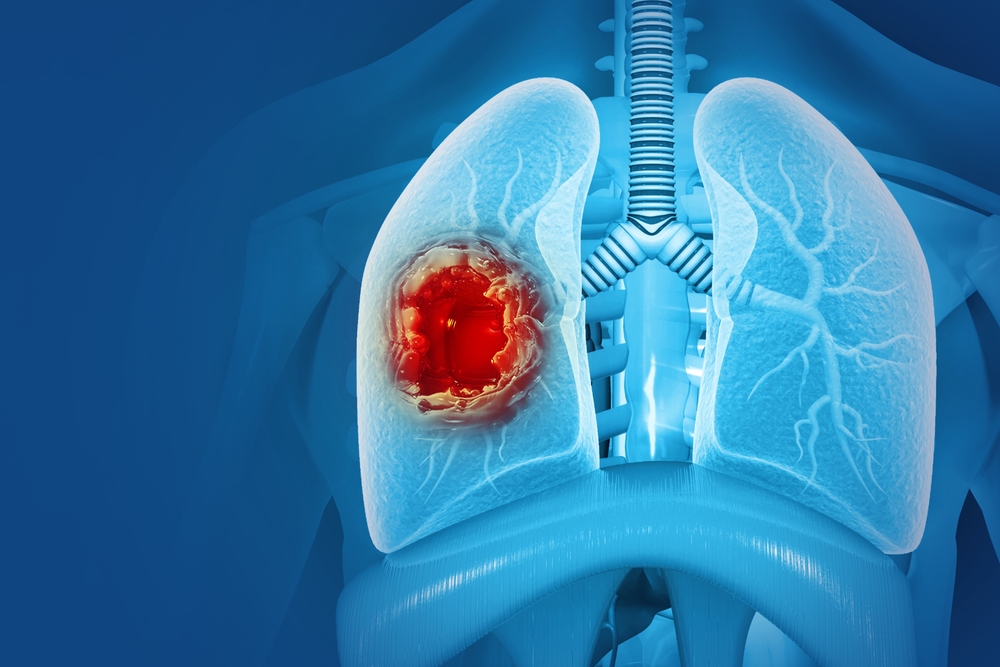
The persistence of TB often surprises people in the United States, where medical advances, antibiotics, and routine public health practices have dramatically reduced its prevalence over the past century. Yet its ability to spread through the air, remain dormant for years, and cause severe illness or death when untreated makes it a continuing concern. The cases in Maine underscore that tuberculosis is not just a disease of history books or distant nations. It remains a living threat that still requires vigilance in American communities.
The following sections explore the global and national burden of tuberculosis, how the disease spreads and progresses in the body, the challenges of treatment and the rise of drug resistance, and the critical role of communities in controlling its impact. Taken together, these perspectives reveal why TB deserves far more attention than it typically receives, and why even isolated cases in one city carry broader implications for public health.
Tuberculosis in Maine: A Closer Look
The three active TB cases confirmed in Portland illustrate the quiet persistence of this ancient disease. According to the state’s CDC, the individuals were not connected to one another, which means their infections likely came from different sources. This lack of a common link is significant because it suggests that tuberculosis is circulating at low levels within the community rather than being introduced through one chain of transmission. Public health officials have responded by identifying close contacts of the patients, conducting screenings, and monitoring for new cases. These measures are designed to prevent small numbers of infections from gaining a foothold and spreading further.
Tuberculosis is caused by the bacterium Mycobacterium tuberculosis. It primarily attacks the lungs, but it is not limited to the respiratory system. The bacteria can spread through the bloodstream to organs such as the kidneys, spine, and brain, where it can cause long-term damage. Symptoms of active TB include a persistent cough, chest pain, night sweats, fever, and in some cases coughing up blood or mucus. The disease progresses slowly but relentlessly, destroying tissue over time. What makes TB especially dangerous is that it spreads through airborne droplets, meaning anyone in close, prolonged contact with an infected individual is at risk.
In the United States, TB is rare compared to many parts of the world, but it has never fully disappeared. In 2022, 565 Americans died of the disease. Maine itself has seen a gradual increase in TB diagnoses in recent years, though the state still reports relatively small numbers compared to national totals. The presence of three unrelated cases in Portland is not considered an outbreak, but it demonstrates that the bacterium is still present, and that complacency would be dangerous. In a state where TB is often out of sight and out of mind, this development serves as a wake-up call.
The Worldwide and National Burden of TB
On a global scale, tuberculosis continues to exact an enormous toll on human health. The World Health Organization reports that in 2022, more than 10 million people developed active TB, and roughly 1.25 million died from it. This staggering figure makes TB the leading infectious killer worldwide, outpacing HIV/AIDS and malaria. The burden falls most heavily in parts of Asia and Africa, where access to consistent healthcare, diagnostic testing, and treatment can be limited. TB thrives in conditions of poverty, overcrowding, and weakened health systems, which explains its stubborn grip in many low- and middle-income countries.
By contrast, the United States has seen sharp declines in TB cases over the past century, largely thanks to antibiotics, public health campaigns, and better living conditions. Yet the disease remains present and continues to claim lives. According to the CDC, the individuals most at risk in the U.S. are often those born in countries with high TB rates, people with weakened immune systems, and communities facing social and economic disadvantages. The persistence of TB in the U.S. underscores that even wealthy nations with strong healthcare systems cannot fully insulate themselves from diseases that circulate globally.
Placing Maine’s three cases within this context highlights a larger truth: TB is not an illness of the past. It moves along global pathways, shaped by travel, migration, and healthcare inequities. Even in regions that rarely see cases, the disease can resurface unexpectedly, carried silently through populations. This interconnectedness is precisely why vigilance is necessary—not only for the sake of local communities but as part of the global effort to control an enduring health threat.
How Tuberculosis Develops and Spreads
Tuberculosis spreads through the air when a person with active disease coughs, sneezes, or speaks, releasing bacteria into the environment. Unlike illnesses such as influenza or COVID-19, TB usually requires repeated and prolonged exposure to spread. This means that people living in close quarters with an infected individual—such as family members, co-workers, or classmates—are at the highest risk. Once inhaled, the bacteria typically settle in the lungs, where they can remain hidden for years before potentially becoming active.
This hidden state is known as latent TB, in which a person carries the bacteria without experiencing symptoms or posing a risk to others. The World Health Organization estimates that one-quarter of the world’s population carries latent TB. The danger is that latent infections can reactivate, especially if a person’s immune system becomes weakened. When TB turns active, it not only makes the individual ill but also enables them to spread the bacteria to others. Active TB causes chronic symptoms such as persistent cough, chest pain, fever, and weight loss, while advanced cases may lead to coughing up blood.
What makes TB especially difficult to control is its slow and insidious progression. A cough that lingers for weeks or months may be dismissed as something minor, delaying diagnosis and treatment. During this time, an untreated person can spread the disease to others in close proximity. This gradual but relentless progression explains why TB has persisted for millennia and why public health officials treat even a handful of cases with urgency. Left unchecked, a single case has the potential to multiply silently within a community.
Treatment, Prevention, and the Rise of Resistance
Tuberculosis is treatable, but the process is challenging. The standard course of treatment involves multiple antibiotics taken over a period of at least six months, often longer. When patients complete the regimen as prescribed, treatment success rates are high. The difficulty lies in the length and complexity of the therapy, which can cause side effects such as nausea, fatigue, or liver issues. For many patients, particularly in resource-limited settings, completing treatment consistently is difficult.
Interruptions in treatment contribute to the emergence of drug-resistant TB, one of the most pressing threats in global health. Multidrug-resistant TB (MDR-TB) and extensively drug-resistant TB (XDR-TB) require longer, more toxic, and often less effective treatments. According to the World Health Organization, nearly half a million people each year develop drug-resistant TB, which carries far poorer outcomes and imposes a heavy burden on both patients and healthcare systems. Resistant strains demonstrate how quickly TB can exploit weak links in treatment adherence and drug availability.
Preventing TB depends on early detection, consistent treatment, and, in many countries, vaccination. The BCG vaccine has been used for over a century to protect children from severe forms of TB, but its effectiveness in adults is limited, and it is not routinely administered in the United States. Instead, U.S. health strategies rely on screening high-risk populations, isolating active cases, and ensuring that patients complete their full treatment regimens. These efforts reflect the relatively low prevalence of TB domestically but also show that controlling the disease requires constant investment in public health infrastructure.
The Role of Communities in Controlling TB
While healthcare systems and medications are central to fighting TB, communities themselves are equally important in prevention and control. The three cases in Maine demonstrate how quickly public health authorities respond when TB is detected, but the success of those efforts depends on cooperation from the public. Awareness of symptoms, willingness to seek medical care, and support for patients undergoing treatment all play critical roles in stopping the spread of the disease.
Stigma remains one of the greatest challenges in TB care. People diagnosed with the disease may fear being judged, ostracized, or misunderstood, which can discourage them from seeking help or completing treatment. Combating this stigma requires education, openness, and empathy within communities. When patients feel supported, they are far more likely to finish their treatment regimens, reducing the risk of spreading the infection further.
The Maine cases also reflect the interconnected nature of health in the modern world. Diseases like TB do not recognize borders, and their presence in one location often mirrors broader patterns of global movement and inequality. Recognizing tuberculosis as both a local concern and a global health issue helps ensure that responses are not only immediate but also sustainable. By treating TB as a shared responsibility, communities can play an active role in reducing its impact.
Conclusion: Why Tuberculosis Still Matters
Tuberculosis may feel like an illness from another time, but the three cases in Maine make clear that it is still a part of today’s health landscape. With more than a million deaths worldwide each year and hundreds in the United States, TB remains a serious threat that cannot be ignored. While effective treatments exist, challenges such as drug resistance, lengthy therapies, and lingering stigma continue to make TB a formidable adversary.
The lesson is not to panic but to remain vigilant. Public health responses, combined with community awareness and support, can control and ultimately reduce TB cases. Awareness of symptoms, access to medical care, and consistent treatment are crucial steps in preventing the disease from spreading. Just as important is the recognition that people living with TB deserve understanding rather than isolation.
Maine’s recent cases may not indicate an outbreak, but they are significant nonetheless. They remind us that tuberculosis is not a relic of the past but a living, persistent challenge that requires ongoing attention. By taking these infections seriously, supporting patients, and investing in public health measures, communities can help protect themselves while contributing to the larger global fight against one of humanity’s oldest and most enduring diseases.
