
It is one of the most familiar fruits in the world, tucked into school lunches, sliced into cereal bowls, and blended into smoothies. But what scientists are discovering about the banana might change how we see it forever. From the resistant starch of green bananas to the antioxidant power of overripe ones, the humble banana may hold clues to one of medicine’s greatest challenges: how to prevent and even slow the progression of cancer.
A growing body of research has begun to reveal that bananas contain natural compounds capable of influencing the body’s cancer defenses. The findings, while still emerging, suggest that what we eat every day might quietly shape our resilience against some of the most dangerous diseases known to humankind.
Nature’s Hidden Armor
Before a banana turns yellow and sweet, it is packed with something called resistant starch, a carbohydrate that behaves more like dietary fiber than sugar. Unlike most starches that are quickly broken down in the small intestine, resistant starch resists digestion, traveling deeper into the large intestine where it becomes food for beneficial bacteria.

This fermentation process produces compounds such as short-chain fatty acids that help reduce inflammation, stabilize blood sugar, and promote a healthier gut. In recent years, these gut-related effects have taken on new importance, as scientists connect digestive health to immune regulation and even cancer prevention.
The Landmark CAPP2 Study

One of the most remarkable long-term studies linking resistant starch to cancer prevention is the CAPP2 trial. Conducted by the University of Leeds and Newcastle University, it followed nearly 1,000 people with Lynch syndrome, a genetic condition that dramatically increases the risk of developing cancers of the colon and other organs.
Participants were divided into two groups. One group received 30 grams of resistant starch per day, roughly equal to the starch in one green banana, while the other received a placebo powder. For the first few years, results seemed unremarkable. There was no clear reduction in bowel cancer rates. But science often rewards patience. A decade later, when researchers examined the long-term data, they discovered a striking difference. Those who had consumed resistant starch showed more than a 50 percent reduction in cancers of the upper digestive tract, including the stomach, pancreas, bile ducts, and small intestine.
Professor John Mathers of Newcastle University described the findings as a breakthrough. The effect was most apparent in regions of the gut where cancers are notoriously difficult to detect early. Resistant starch, he explained, appears to change the bacterial metabolism of bile acids in a way that reduces DNA damage. In essence, it alters the terrain of the gut, making it a less friendly environment for cancer to develop.
When Bananas Ripen: A Chemical Transformation

As bananas ripen, they undergo a quiet metamorphosis. Their resistant starch gradually converts into simple sugars, softening the texture and sweetening the taste. But what is lost in starch is replaced by a new set of bioactive molecules: polyphenols, flavonoids, and antioxidants that help neutralize unstable oxygen molecules called free radicals. These free radicals can damage DNA and contribute to the mutations that cause cancer.
Laboratory studies have found that banana extracts, including those from the peel, can interfere with cancer cell growth. Some compounds halt the cell cycle of malignant cells, while others trigger apoptosis, the self-destruct process that prevents uncontrolled growth. Although these findings come from cell-based research, they provide a biochemical foundation for understanding how diet and disease intersect.
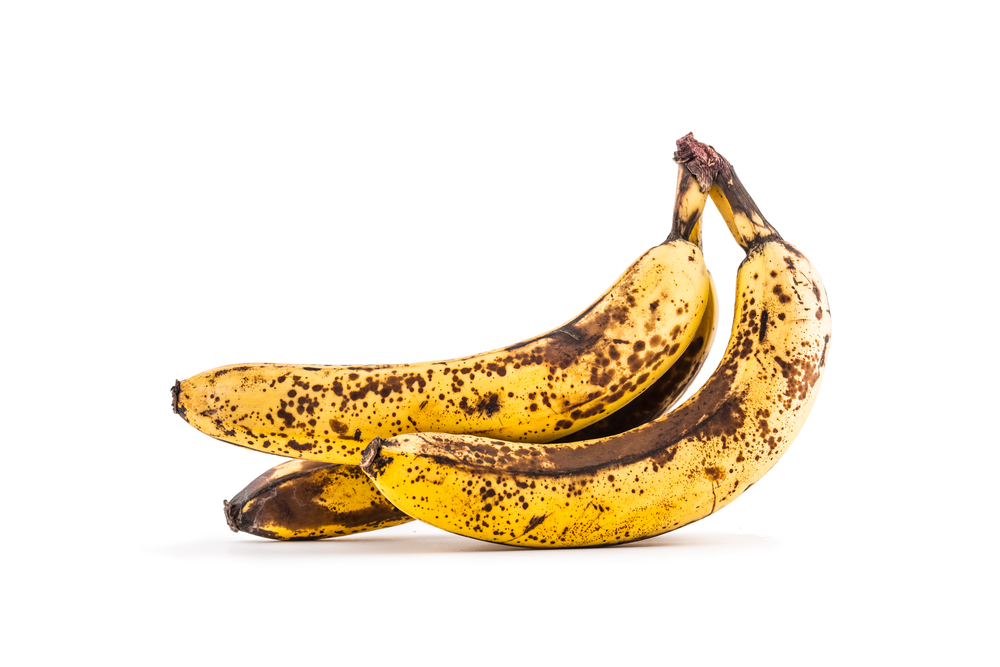
Japanese scientists Masatoshi Yamazaki and Haruyo Iwasawa also discovered that overripe bananas produce a molecule associated with the body’s natural immune defense system known as tumor necrosis factor, or TNF. This protein helps the immune system recognize and destroy cancerous cells. In animal studies, TNF activity appeared stronger in overripe bananas with brown spots than in firm yellow ones. While the data is still early, it has sparked global interest in how ripened fruit chemistry could inspire future cancer therapies.
From Waste to Wonder

For decades, overripe bananas were treated as compost fodder or baking ingredients for banana bread. Yet emerging research suggests that those speckled skins may hold hidden value. As bananas darken, their antioxidant concentration increases, creating compounds that help protect the body from oxidative stress, a condition linked to aging and chronic disease.
Studies have shown that extracts from overripe bananas can selectively inhibit cancer cell growth in laboratory conditions while leaving healthy cells unharmed. This ability to differentiate between malignant and healthy tissue is especially intriguing to researchers who are exploring low-toxicity approaches to cancer treatment.
Beyond cancer prevention, overripe bananas retain their familiar nutritional power. They are rich in vitamins, minerals, and natural sugars that provide quick energy, while their antioxidants and fiber continue to support immune and digestive health. They also serve as an excellent base for simple, nutritious recipes: banana pancakes, smoothies, oatmeal, or even one-ingredient ice cream made by blending frozen banana slices.
Where Prevention Begins

The real power of the banana’s health effects may lie in its influence on the gut microbiome, the vast community of bacteria that inhabit our digestive system. The gut is a hub for immunity, metabolism, and detoxification. When resistant starch from green bananas reaches the colon, it becomes fuel for beneficial microbes that produce substances like butyrate. This compound helps reduce inflammation, repair the gut lining, and protect cells from DNA damage.
This microbial ecosystem acts like an internal defense network. By supporting beneficial bacteria, bananas indirectly limit the presence of harmful species that produce carcinogenic byproducts. It is a subtle form of biological engineering: the banana doesn’t attack cancer directly, but it helps the body create an environment where cancer struggles to thrive.
This theory could explain why the protective effects of resistant starch persisted long after the participants in the CAPP2 study stopped taking supplements. Once the gut microbiome had shifted toward a healthier balance, the benefits endured for years.
Traditional Medicine Meets Modern Science

Long before laboratory trials, bananas held a place in traditional medicine across Asia and Africa. Healers used different parts of the banana plant to treat ulcers, infections, and even hypertension. Modern biochemistry now validates some of these uses. Compounds such as catechins and dopamine, both found in bananas, exhibit antioxidant and anti-inflammatory effects.
A 2021 systematic review cataloged dozens of banana-derived chemicals that inhibit the growth of cancer cells in experimental models. Extracts from banana flowers, for instance, reduced cervical cancer cell proliferation, while banana peel extracts suppressed colon and liver tumor lines. Even green banana flour has demonstrated potential in reducing early cancer markers in mice genetically prone to colon cancer.
While these findings are far from conclusive for humans, they suggest that banana-based compounds could be developed into safe, natural supplements to complement traditional treatments. Toxicity studies so far indicate that banana extracts have little to no harmful effect on healthy cells or organs, even at high concentrations.
The Limits of the Evidence

Despite the enthusiasm, experts urge caution. Bananas are not a cure for cancer, nor should they be seen as a replacement for conventional treatment. Much of the current evidence is derived from laboratory or animal studies, and the CAPP2 trial focused on a specific genetic population rather than the general public.
Dr. Cody Watling of the University of Oxford noted that the CAPP2 trial’s small sample size and long time gap between supplementation and outcomes mean more research is needed before drawing broad conclusions. Similarly, Dr. Corinne Joshu of Johns Hopkins emphasized that while resistant starch appears promising, its effects in people without Lynch syndrome remain uncertain.
Still, the overall direction of evidence supports a broader truth: diets rich in fiber, fruits, and vegetables consistently reduce cancer risk and improve overall health. Bananas, it seems, are part of that pattern rather than an isolated miracle.
How to Make Bananas Work for You
The beauty of this research lies in its accessibility. You do not need a special supplement to take advantage of what bananas offer. A few small adjustments can help you make the most of their nutritional and potential protective properties.
- Eat bananas at different stages of ripeness. Green bananas provide more resistant starch to support gut health, while ripe bananas deliver antioxidants and natural energy.
- Pair bananas with other high-fiber foods. Oats, yogurt, nuts, and whole grains can enhance the prebiotic effect on your gut microbiome.
- Keep portion sizes reasonable. Overripe bananas are sweeter, so balancing them with protein or fiber can help stabilize blood sugar.
- Avoid waste. Overripe bananas can be frozen for smoothies or baked into breads and muffins, ensuring that every stage of the fruit’s life contributes to your diet.
These habits may not make headlines like miracle cures, but over time they support the kind of metabolic and cellular stability that keeps disease at bay.

Food as Preventive Medicine
Bananas are a symbol of something larger than themselves. They remind us that the line between food and medicine is not as sharp as we once believed. The nutrients and fibers we consume daily shape our microbiome, influence inflammation, and alter our disease risk. The story of the banana and cancer prevention reflects a larger shift in science toward understanding how everyday foods influence our biology at the deepest levels.
While the notion that a simple fruit could help fight cancer might sound too good to be true, the emerging research shows that the small, consistent choices we make about what to eat can add up to profound health effects. Twenty years of data now suggest that something as unassuming as a banana a day may help the body resist certain cancers, particularly for those at higher genetic risk.
The Ordinary Fruit With Extraordinary Promise
The banana’s story is not about hype or miracles. It is about steady scientific curiosity and the rediscovery of how natural foods influence our health. Green bananas may strengthen our gut and train our immune system through resistant starch. Ripe bananas may arm our cells with antioxidants. Even the overripe ones, once destined for the trash, might contain molecules worth turning into medicine.
Perhaps the most remarkable part of this research is its accessibility. Bananas are inexpensive, safe, and available almost everywhere. In a world where cutting-edge treatments often cost fortunes, this yellow fruit offers a reminder that prevention can sometimes begin in the produce aisle.
The next time you peel a banana, remember that you may be holding more than a snack. You could be holding a quiet example of how science and nature continue to work together, shaping discoveries from the most ordinary of beginnings. The banana’s journey from green to gold to brown mirrors our own evolving understanding of nutrition and health. Its potential is still ripening, but its message is already clear: small, consistent choices can yield extraordinary results over time.
