
Imagine eating a bowl of pasta or a slice of bread and ending up too intoxicated to drive. For most of us, that sounds like a frantic excuse to get out of a traffic ticket, but for people with Auto-brewery syndrome, it is a terrifying reality. Their bodies spontaneously convert common foods into alcohol, causing slurred speech, stumbling, and failing breathalyzer scores without a single sip of liquor.
For years, doctors dismissed this as a myth or secret alcoholism, but new findings are finally explaining how the gut can betray the body in such a bizarre way.
Understanding Auto-Brewery Syndrome

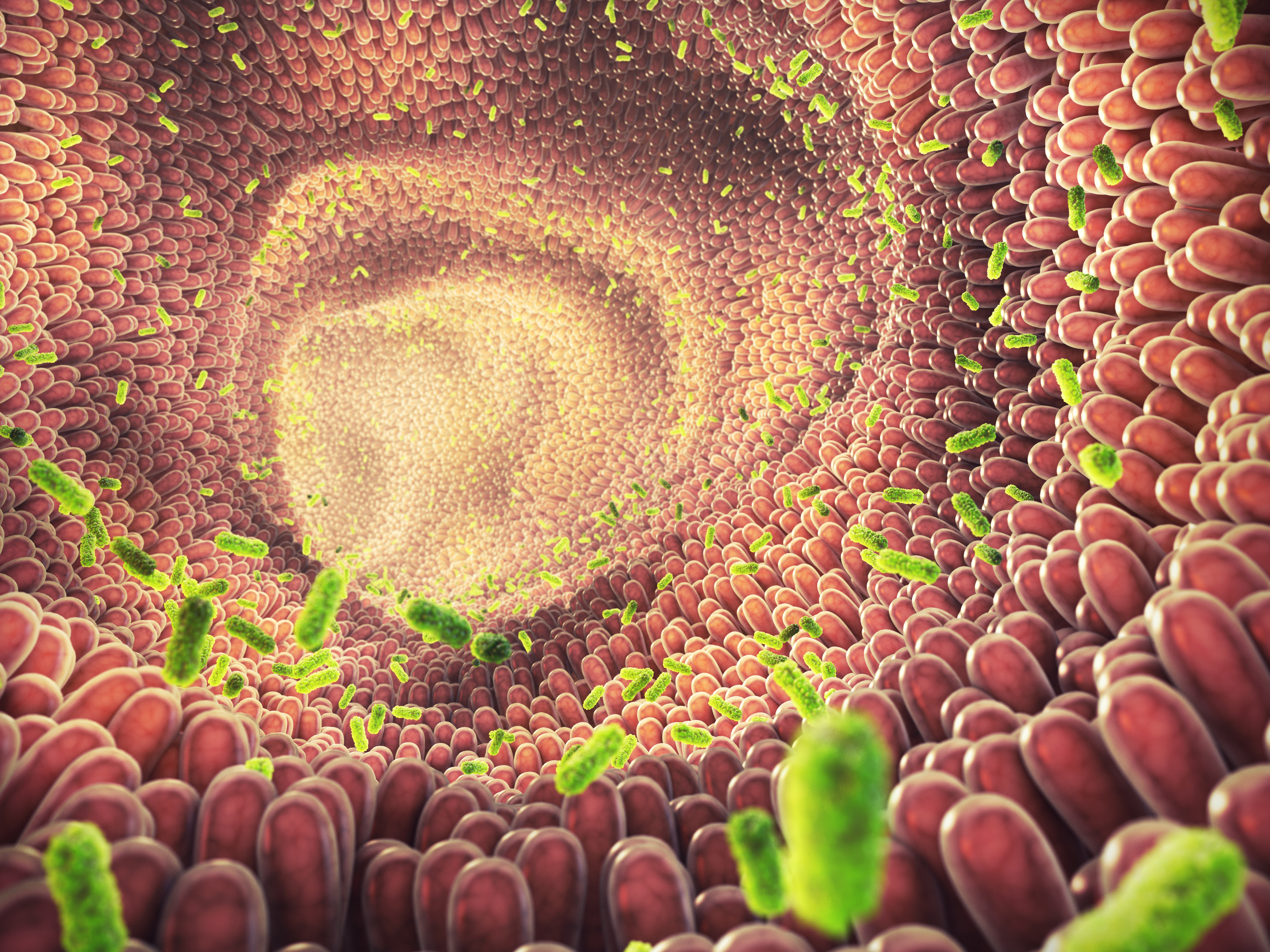
For a rare subset of people, a simple meal of carbohydrates can result in severe intoxication, even if they have been strictly sober. This condition, known as Auto-brewery syndrome (ABS), effectively turns the human gut into a fermentation factory. Instead of digesting food normally, the gut microbiome in these individuals is overrun by microbes that aggressively convert sugars and carbohydrates into ethanol, flooding the bloodstream with alcohol.
Historically, doctors blamed this phenomenon on an excess of yeast, specifically Saccharomyces cerevisiae, which is commonly used in brewing. However, a major shift in understanding occurred following a breakthrough 2019 paper and a recent study in Nature Microbiology. Researchers have now identified that bacteria, specifically high alcohol-producing strains of Klebsiella pneumoniae and Escherichia coli, are often the true drivers of this condition.
The physical effects are intense and immediate. A 27-year-old man in China registered a blood alcohol content equivalent to drinking a dozen shots of liquor just by consuming fruit juice and carbohydrates. In another case, a young woman lost the ability to walk immediately following a routine glucose test.
Beyond the physical symptoms, the psychological toll is devastating. Bernd Schnabl, a gastroenterologist at the University of California San Diego, highlights a major hurdle: “Patients are not believed”—even by medical professionals—when they insist they haven’t been drinking. This lack of validation often leads to misdiagnosis, job loss, and severe social strain before the root cause is finally identified.
Pinpointing the Bacterial Culprits

While yeast was long considered the primary suspect in Auto-brewery syndrome, recent large-scale studies have identified specific bacterial strains as the true heavy hitters. In a study published in Nature Microbiology, researchers analyzed the largest cohort of ABS patients to date. To ensure accuracy, the team compared the gut microbiomes of 22 ABS patients against those of their own household members. This comparison effectively ruled out diet and environmental factors as causes, isolating the gut composition as the variable.
The results were telling. Stool samples from ABS patients produced significantly higher amounts of alcohol in culture compared to the controls. The analysis highlighted high alcohol-producing strains of Klebsiella pneumoniae as a major driver. Surprisingly, the study also implicated Escherichia coli—a bacteria not previously considered a primary actor in this condition. Bernd Schnabl, the study lead, observed that E. coli levels in some patients essentially mirrored their symptom flare-ups, providing a clear biological marker for the disease.
The implications of harboring these fermentation-happy bacteria extend beyond spontaneous intoxication. There is a strong link between these microbes and metabolic dysfunction-associated steatotic liver disease, formerly known as fatty liver disease. In a 2019 breakthrough, microbiologist Jing Yuan and her team demonstrated that transplanting Klebsiella from a severe ABS case into mice induced liver disease and scarring.
This connection suggests that ABS might be the extreme end of a metabolic spectrum. Chronic exposure to endogenous alcohol—even at levels too low to cause drunkenness—can still pummel the liver. As Yuan notes, “These bacteria damage your liver just like alcohol, except you don’t have a choice.”
Diagnosis and The Evolution of Treatment

Confirming Auto-brewery syndrome remains a significant medical hurdle. The gold-standard diagnostic method requires a carefully supervised “glucose challenge,” where medical staff administer a precise amount of sugar to the patient and monitor blood alcohol levels over several hours. As noted by researchers at Mass General Brigham, this type of testing is not easily accessible in many clinical settings, meaning patients often face long delays before receiving an accurate diagnosis.
Once identified, the standard treatment protocol typically involves a combination of antibiotics, antifungals, and a strict low-carbohydrate diet intended to starve the ethanol-producing microbes. However, these interventions are often insufficient. Bernd Schnabl points out that even with these strict measures, patients can struggle for years with recurring symptoms. Broad-spectrum antibiotics act as blunt instruments, potentially eradicating beneficial bacteria alongside the harmful ones without permanently solving the fermentation issue.
To address these limitations, scientists are turning to fecal microbiota transplants (FMT). This procedure involves introducing stool from a healthy donor into the patient’s gut to restore microbial balance. The results are promising; one patient cited in the Nature Microbiology study remained symptom-free for more than 16 months after a second transplant. Despite this success, Schnabl describes FMT as a “sledgehammer.” His team is now using genomic clues to develop precision therapies. By identifying the specific genes involved in ethanol production, researchers hope to create treatments that target the bacterial metabolic pathways directly rather than wiping out entire classes of gut organisms.
Protecting Your Liver Starts in Your Gut

While true Auto-brewery syndrome remains incredibly rare, the research surrounding it offers critical insights for everyone. Scientists increasingly view ABS as the extreme end of a metabolic spectrum rather than an isolated anomaly. Microbiologist Jing Yuan suggests that “chronic gut exposure to lower levels of ethanol may lead to liver disease without causing intoxication.” This indicates that a bacterial imbalance, fueled by a high-sugar diet, could silently stress the liver even in people who never experience the sensation of being drunk.
This connection underscores the importance of dietary choices in maintaining a healthy microbiome. Fermentation-prone bacteria like Klebsiella thrive on simple carbohydrates and glucose. Consequently, a diet heavy in processed sugars can inadvertently cultivate an environment that favors these microbes. For the general population, moderating sugar intake is not just about weight management; it is a defensive strategy for liver health.
Pay attention to how your body reacts after meals. Although fatigue or “brain fog” after eating is common, severe or consistent cognitive changes following high-carbohydrate consumption warrant a closer look. Jasmohan Bajaj, a hepatologist at Virginia Commonwealth University, notes that while he has diagnosed only one case in his career, the condition is a verified medical reality. If you observe symptoms that mimic intoxication or severe disorientation without alcohol, document these episodes and their relation to your meals. This information can be vital for doctors to differentiate between common digestive issues and more complex metabolic disorders.
Redefining Intoxication and the Path Forward

The identification of specific bacterial strains behind Auto-brewery syndrome validates the experiences of patients who have long faced dismissal and social stigma. For years, these individuals battled legal complications and strained relationships while their medical reality was ignored. The transition from anecdotal reports to rigorous biological evidence—confirming that gut bacteria can indeed manufacture intoxicating levels of ethanol—demands a shift in how medical professionals approach unexplained symptoms of intoxication.
However, significant questions remain. As hepatologist Jasmohan Bajaj points out, there is still “no smoking gun” that explains why some individuals with high levels of Klebsiella or E. coli develop the syndrome while others remain unaffected. The fact that these bacteria exist in many people without causing ABS suggests that host genetics, gut inflammation, or other environmental triggers play a crucial role.
For the broader public and the medical community alike, the takeaway is clear: biological anomalies require scientific investigation, not judgment. As diagnostic tools like stool-based testing become more refined, early detection can prevent the severe liver scarring and social fallout associated with this condition. Understanding that the body can betray itself in such a profound way fosters necessary empathy and paves the way for life-changing precision therapies.
