
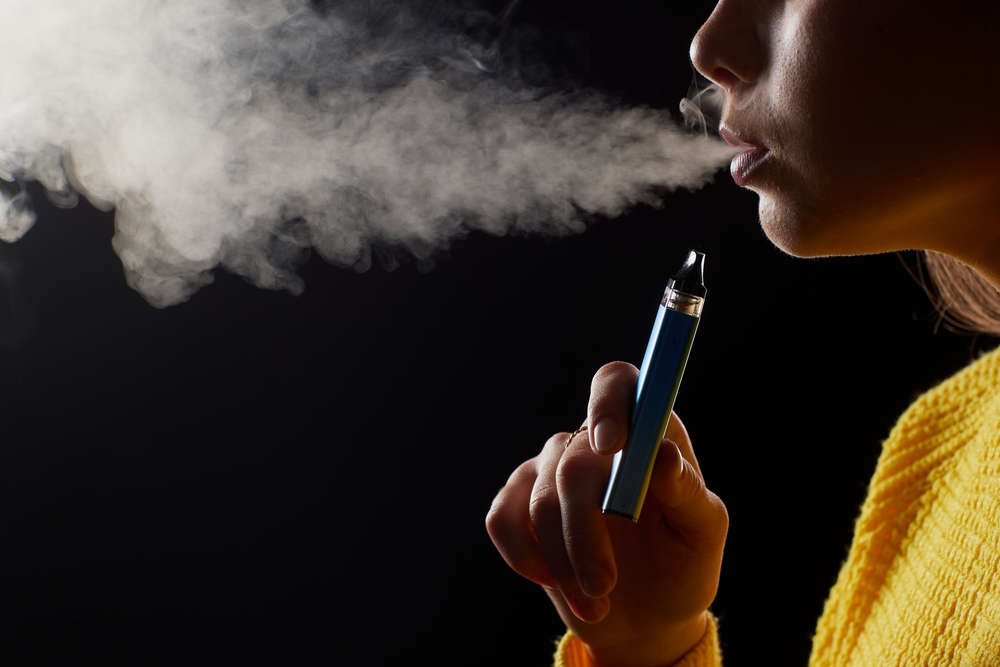
It began like a cold that would not go away. A few days of feeling weak, coughing, and running a fever. Nothing a 23-year-old would normally worry about. But for one young man, those early symptoms were the start of a terrifying descent into respiratory failure that would land him in the intensive care unit, struggling for every breath. His story is part of a much larger crisis that continues to unfold quietly across hospitals and homes: the health risks of vaping.
Across the United States, thousands have been hospitalized due to vaping-related lung injuries, a condition now known as EVALI (e-cigarette, or vaping, product use-associated lung injury). According to the Centers for Disease Control and Prevention, more than 2,800 cases and at least 68 deaths were confirmed during the 2019 outbreak. The victims were mostly young adults, often healthy and active before the sudden onset of respiratory collapse.
In this case, a 23-year-old man who regularly used THC-containing vape pens for years found himself in an ICU bed, intubated and fighting for air. His case sheds light on a public health issue that remains dangerously misunderstood.
The Hidden Danger Behind the Vapor
Vaping has been marketed as a cleaner, safer alternative to smoking. Sleek devices and flavored liquids make it look almost harmless. But beneath the vapor lies a cocktail of chemicals that can damage lungs, hearts, and brains.
An e-cigarette or vape pen works by heating a liquid mixture, known as e-liquid or vape juice, which turns into an aerosol that users inhale. That mist contains nicotine, flavoring, and a range of additives like propylene glycol and glycerin. In some cases, it also includes tetrahydrocannabinol (THC), the psychoactive component of marijuana.
These substances are often mistaken for harmless water vapor. They are not. Studies have found that e-liquids can contain heavy metals such as lead and cadmium, volatile organic compounds like formaldehyde, and oils such as vitamin E acetate that coat the lungs and impair their ability to exchange oxygen. This toxic mix is what experts believe caused the outbreak of severe lung injuries among vape users in 2019 and 2020.

A Young Man’s Sudden Decline
The 23-year-old patient arrived at the emergency department after five days of fever, coughing, vomiting, and feeling profoundly weak. When doctors examined him, his oxygen levels were low, his heart was racing, and he could barely respond to questions. He admitted to using THC vape pens daily for several years, with his last use just a day before he came to the hospital.
At first, the doctors suspected pneumonia or a viral infection. Chest scans revealed cloudy, diffuse infiltrates in his lungs, the telltale pattern of inflammation and fluid buildup. Despite oxygen therapy, his breathing worsened. By the second day, he could no longer maintain his oxygen levels, even with high-flow oxygen support. He was intubated and transferred to the intensive care unit.
Bronchoscopy, a procedure where a camera is inserted into the lungs, showed small ulcerations in the airway but no signs of infection or obstruction. Cultures came back negative for bacteria and fungi. The medical team ruled out common causes such as pneumonia, tuberculosis, and autoimmune disease. The conclusion was clear: his lungs were failing due to vaping.

The Science Behind Evali
EVALI is a form of acute lung injury caused by the inhalation of toxic substances found in vaping aerosols. Unlike traditional smoking-related diseases, which develop over years, EVALI can strike suddenly and progress rapidly.
Research points to vitamin E acetate as a key culprit. This oily substance, used as a thickening agent in some THC-containing vape liquids, can coat the lungs and disrupt their delicate structure. Other chemicals like diacetyl, used for flavoring, and methanol have also been linked to inflammation and scarring. The result is a dangerous cascade of lung damage known as pneumonitis, where the air sacs fill with fluid and the body’s ability to absorb oxygen collapses.
Patients with EVALI often present with symptoms that mimic infections: coughing, shortness of breath, fever, and vomiting. In severe cases, they develop respiratory failure requiring mechanical ventilation. The majority of cases reported to the CDC involved young men under 35 who had used THC-containing products obtained from informal sources like friends or online sellers.

When Vaping Becomes a Silent Addiction
The story of this young man mirrors that of many others who began vaping under the impression that it was safer than smoking. The sleek design, fruity flavors, and absence of the harsh smell of tobacco made vaping seem like a smart choice. What started as an occasional puff quickly became a constant habit.
Nicotine and THC both trigger the brain’s reward system, releasing dopamine and reinforcing cravings. Because vape devices can deliver higher doses of these substances than cigarettes, dependence can develop more quickly and intensely. Many users find themselves reaching for their vape every few minutes, their brain quietly rewired for the next hit.
Even more troubling is that users often have no idea what they are inhaling. Unregulated products sold online or on the street may contain contaminants or mislabelled ingredients. In the 23-year-old patient’s case, the specific origin of his vape cartridges was never determined, but it is likely that they contained additives linked to lung injury.

The Body Fights Back
Inside the lungs, the damage from vaping is both chemical and inflammatory. The inhaled aerosols irritate the delicate lining of the airways, triggering an immune response. Cells flood the area to fight the perceived invaders, releasing enzymes and inflammatory molecules. But instead of healing, this process can cause widespread injury.
Microscopic analysis of fluid from the patient’s lungs revealed a mix of macrophages, neutrophils, and lymphocytes—cells that usually appear when the lungs are under attack. In many EVALI cases, these macrophages are found to be filled with lipids, evidence of oily substances like vitamin E acetate clogging the airways.
When the inflammation spreads, the alveoli the tiny air sacs that exchange oxygen and carbon dioxide begin to fill with fluid. Breathing becomes harder, oxygen levels plummet, and the patient suffocates from within. Without rapid intervention, the condition can become fatal.

From Near-Death to Recovery
After several days in the intensive care unit, the young man began to improve. With the help of corticosteroids, which reduced inflammation, and oxygen therapy, his lungs started to recover. He was gradually weaned off the ventilator and discharged home after eight days in the hospital.
The experience left him shaken but alive. Before leaving, his medical team counseled him on quitting vaping and substance use. He had learned the hard way how deceptive the sense of safety around vaping could be.
In the months following his discharge, doctors continued to monitor his lung function. While some EVALI patients recover completely, others are left with permanent scarring and reduced capacity. The full long-term consequences of vaping-induced lung injury are still unknown.

Lessons From Another Survivor
Hudson Williams, a 23-year-old from Texas, tells a story strikingly similar to the one in the medical report. A factory worker who switched from cigarettes to vaping in 2019, he believed he was choosing the healthier path. Instead, he ended up in the hospital when his lung collapsed during a work break.
The collapse, known as pneumothorax, occurs when air escapes from the lung into the chest cavity, preventing the lung from expanding properly. Doctors told him the likely cause was damage from vaping, which had weakened the lining of his lungs over time. The pain, he said, felt like being shot in the chest. He quit vaping immediately.
Williams’s warning echoes what many health experts have been saying for years: vaping is not harmless. The chemicals in vape aerosol can erode the tissue inside the lungs, leading to conditions like EVALI or pneumothorax. His message to others is simple and direct: do not wait until you are gasping for air to realize the risks.
The Illusion of Safety
Vaping was originally promoted as a tool to help smokers quit. Some studies suggest that it may help certain people reduce their dependence on cigarettes. But this potential benefit has been overshadowed by its widespread misuse among non-smokers, particularly teenagers and young adults.
In the United States, about six percent of adults vape regularly, but among those aged 18 to 24, the rate is more than double. Many start vaping not to quit smoking but for social reasons, drawn by flavors, aesthetics, and the perception that it is safer. Yet the very qualities that make vaping appealing also make it more addictive.
Nicotine can harm brain development, raise blood pressure, and constrict arteries. THC vapes can alter memory and coordination while delivering harmful chemicals into the lungs. The combination of ease of use and misinformation has turned vaping into one of the fastest-growing public health challenges of the decade.

What Science Says About Quitting
Quitting vaping can be as difficult as quitting cigarettes, but it is far from impossible. Behavioral therapy, nicotine replacement products, and support groups can all help reduce dependence. Some people choose to taper off gradually, while others quit cold turkey.
Experts recommend setting a quit date, identifying triggers, and finding replacement behaviors such as exercise, meditation, or deep breathing. Support from friends, family, or healthcare professionals greatly increases the chances of success.
Withdrawal symptoms such as irritability, headaches, and cravings are temporary, usually peaking in the first week and fading over time. What matters most is persistence. As one physician put it, recovery begins the moment you stop inhaling chemicals meant for machines, not lungs.
A Call to Awareness
The 23-year-old patient’s case, like Hudson Williams’s, is not an isolated incident. It is part of a broader pattern that underscores the unpredictable dangers of vaping. Whether the device delivers nicotine or THC, whether it is bought from a licensed shop or a friend, the risk remains. Every inhale carries uncertainty.
The Centers for Disease Control and Prevention continues to investigate the long-term effects of vaping. Although the 2019 EVALI outbreak has subsided, new cases are still reported every year. Researchers warn that it may take decades to fully understand the chronic consequences of inhaling vaporized chemicals.
For now, the evidence is clear enough: vaping can cause acute, life-threatening lung injury. The myth of harmless vapor has cost lives, and the victims are getting younger.
The Real Cost of Vaping
The story of a 23-year-old man nearly losing his life to vaping is a powerful reminder that health risks often hide behind convenience. What seems like a safer choice can turn into a silent threat, one that invades the lungs with invisible toxins. His survival is a testament to medical intervention, but also a warning.
Lungs are built for air, not aerosol. The belief that vaping is risk-free belongs to marketing, not medicine. For those still reaching for their vape pens, this young man’s story offers a simple truth worth inhaling: nothing about vaping is worth the price of your breath.
