
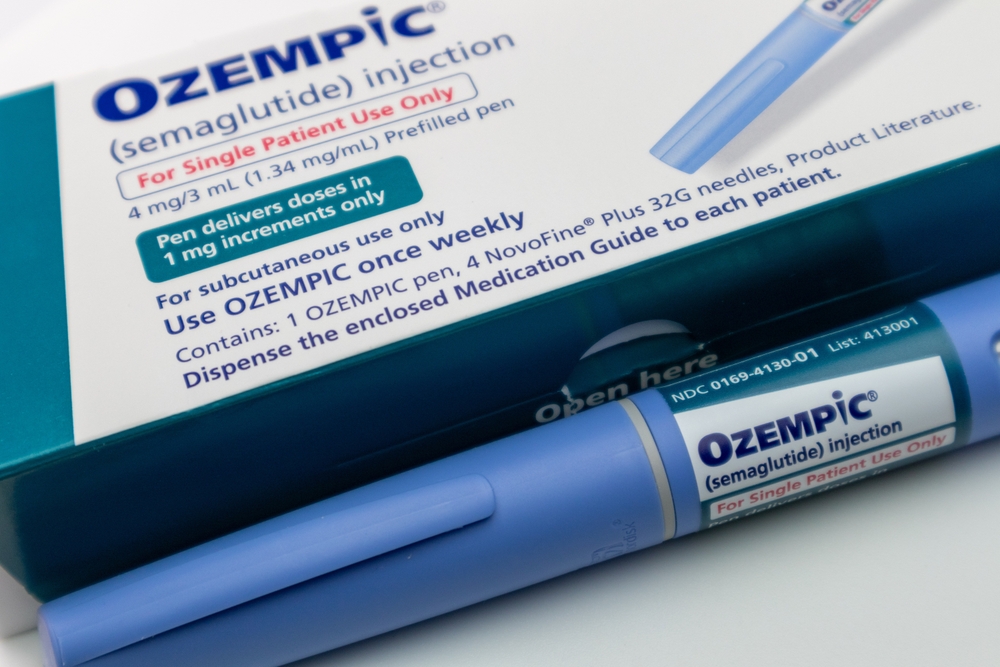
Ozempic has quickly become a go-to solution for rapid weight loss, captivating celebrities and everyday individuals alike. Originally designed to manage type 2 diabetes, it is now widely used off-label to help shed pounds—often with dramatic results. More and more people are turning to this GLP-1 medication, drawn by the promise of easier weight loss without extreme dieting or surgery. But as this once niche drug becomes a staple in longevity and fitness routines, users are beginning to report an unexpected consequence.
Alongside the slimmer silhouettes and improved blood sugar levels, some individuals are experiencing visible aging in their faces. A phenomenon now dubbed “Ozempic face” has begun to surface—marked by sagging skin, hollowed cheeks, and an overall gaunt look. This side effect, especially prevalent among people in their 40s and older, is prompting a second wave of transformation: not just weight loss, but cosmetic interventions to regain youthful volume.

What Is “Ozempic Face”?
The term “Ozempic face” may sound like a social media exaggeration, but the aesthetic change it describes is very real. Coined by cosmetic dermatologist Dr. Paul Jarrod Frank, the phrase captures the hollowed, aged appearance that some patients develop after losing significant weight through GLP-1 drugs like semaglutide. These medications suppress appetite and help people lose weight quickly—but at a cost. When fat is rapidly shed, particularly in the face, the skin doesn’t always have time to adjust.
Facial fat isn’t just padding—it’s a crucial element that gives your face its fullness, contour, and youthful appearance. Losing that fat abruptly can lead to a deflated, tired look. The cheeks sink, nasolabial folds deepen, and jowls become more pronounced. For many, it’s an unsettling change. You feel healthier but look older, and that disconnect can lead to a new kind of insecurity. Dr. Frank explains that even those thrilled with their weight loss often come in seeking aesthetic correction. “Where I used to use one syringe of filler, I now use three,” he says, pointing to the extent of volume loss.
For some, filler isn’t enough. Deep plane facelifts, fat grafting, and neck lifts are becoming increasingly common among Ozempic users. These aren’t just superficial fixes—they’re attempts to realign how people feel with how they look. While rapid weight loss offers physical benefits, it can also bring unexpected psychological and aesthetic trade-offs that require thoughtful consideration.

Why Rapid Weight Loss Ages the Face
The face is composed of bone, muscle, fat, and skin—all of which contribute to its appearance. Subcutaneous fat provides softness and support, making skin appear taut and plump. When this fat diminishes, the skin loses its support system, resulting in sagging and wrinkles. This process is a natural part of aging, but when accelerated by medication-induced weight loss, it can catch people off guard. Instead of celebrating their new body, many are left wondering why their reflection looks older than before.
One key issue is elasticity. Younger individuals typically have resilient skin that adjusts to changes more easily. But for those over 40, elasticity naturally decreases with age. Add rapid fat loss to the equation, and the result is often excess skin that droops rather than conforms. This effect is most noticeable on the face, where even small changes in volume can drastically alter appearance.
Dr. Frank likens the process to a balloon losing air—once the volume is gone, the structure collapses. Fillers and surgical options can restore some of that volume, but they don’t solve the underlying issue of lost elasticity. The faster the weight loss, the less time the skin has to adapt. It’s a dilemma that more Ozempic users are facing, especially those who lose 20 pounds or more in just a few months. Without preventive skin care or supportive treatments, the physical toll becomes visibly apparent, turning a health win into a cosmetic concern.

The Rise of Cosmetic Fixes
Unsurprisingly, the boom in Ozempic use has been followed by a parallel rise in cosmetic interventions. The American Society of Plastic Surgeons reports that nearly 40% of GLP-1 users are considering aesthetic procedures, and 20% have already gone under the knife or needle. These numbers are expected to grow as awareness of the “Ozempic face” phenomenon spreads and more users seek to balance their internal success with their external appearance.
Facelifts, dermal fillers, and neck lifts are now routine topics during weight-loss consultations. In some practices, like Dr. Frank’s and Dr. Anthony Berlet’s, these treatments are being bundled into what’s now informally known as the “Ozempic makeover.” Patients like Kimberly Bongiorno, who lost 45 pounds using Wegovy, are investing tens of thousands of dollars into procedures like deep plane facelifts, arm lifts, and thigh lifts to address skin laxity and facial deflation.
While these procedures can offer stunning results, they are invasive and costly. Many patients spend upwards of $80,000 on their post-weight-loss transformations. And while the results can be life-changing—restoring not just appearance but confidence—they underscore the importance of managing expectations. Losing weight is rarely the end of the journey. For many, it’s just the beginning of a new set of decisions about how they want to look and feel.

Who’s Most at Risk for This Side Effect?
While “Ozempic face” doesn’t affect everyone, certain factors significantly raise the risk. Age is perhaps the most influential. People in their 20s and 30s tend to have more collagen and better skin elasticity, allowing their skin to rebound more naturally after fat loss. But as we age, our skin loses its ability to snap back. This makes individuals over 40 particularly vulnerable to facial aging and skin sagging after rapid weight loss.
The amount and speed of weight loss also matter. Experts caution against losing more than one to two pounds per week, as faster weight loss often results in both fat and muscle loss. This can lead not only to facial hollowing but also a condition informally called “Ozempic body,” where skin sags in areas like the arms, thighs, and abdomen. The shift is not just about fat loss—it’s about structural support, and when that disappears, the effects can be both physical and emotional.
Younger users are increasingly turning to preventive options like Botox and microneedling to stay ahead of visible aging. Meanwhile, older users are more likely to pursue restorative procedures. But regardless of age, everyone undergoing rapid weight loss should consider a holistic plan that includes not just fat reduction but muscle preservation and skin support. It’s not about avoiding weight loss—it’s about making it sustainable and supportive for your whole body.

Holistic Ways to Protect Your Skin During Weight Loss
Not everyone wants to turn to fillers or surgery—and thankfully, there are holistic ways to care for your skin while losing weight. These strategies won’t prevent all signs of fat loss, but they can support your body through the transition and preserve a healthy, vibrant appearance.
Collagen is a major player in skin health. Boosting your collagen levels through foods like bone broth, citrus fruits, and leafy greens can help support elasticity. Supplements with hydrolyzed collagen peptides, vitamin C, and zinc are also beneficial. Staying hydrated is crucial—water keeps your skin cells plump and functional. Herbal teas like hibiscus and aloe vera juice provide hydration and antioxidants that soothe and rejuvenate the skin from within.
Ayurveda offers additional tools for skin support. Herbs like gotu kola and ashwagandha promote collagen production and help your body adapt to stress, which can also impact your skin’s appearance. Facial massage, gua sha, and dry brushing stimulate circulation and lymphatic flow, supporting detoxification and improving tone. Lastly, don’t forget sun protection. UV exposure can accelerate collagen breakdown, so use mineral sunscreen daily to protect your skin as it adjusts to a new body shape.
The Bigger Picture: Weight Loss, Body Image, and Self-Care
As Ozempic reshapes the landscape of weight loss, it’s essential to keep the broader picture in mind. While the drug offers a powerful tool for shedding excess pounds, its effects go beyond the scale. The emotional and psychological journey that accompanies physical transformation can be just as impactful. Looking healthier doesn’t always mean feeling confident—especially if the mirror reflects someone older or unfamiliar.
Doctors and wellness experts are now advocating for a more balanced approach. Instead of relying solely on medication, they encourage integrating strength training, nutrient-rich eating, and emotional support into the weight loss journey. This isn’t just about avoiding cosmetic procedures—it’s about ensuring that every aspect of your health, including mental and emotional well-being, is nurtured along the way.
Weight loss, particularly when achieved quickly, can reveal hidden insecurities or trigger new ones. That’s why creating a holistic plan—one that includes lifestyle changes, self-compassion, and mindful habits—is critical. It ensures that the transformation is not only external but also internal, supporting long-term health and happiness.
Your Natural Radiance Can Keep Up With Your Weight Loss
Losing weight is a deeply personal and often empowering experience. But it doesn’t have to come at the expense of your glow. Understanding potential challenges like “Ozempic face” allows you to prepare and respond in a way that honors your journey.
With the right support, your radiance doesn’t have to fade—it can evolve. By combining smart medical guidance with natural skin care and lifestyle practices, you can maintain the vitality you feel inside and project it outward. Whether you choose holistic tools, cosmetic help, or both, remember: true health is about more than appearance. It’s about how you feel in your skin—confident, comfortable, and whole.
