
A New Year’s Eve celebration in Crans-Montana turned into a devastating emergency when a fire broke out inside a popular ski resort bar. What was meant to be a moment of joy quickly became a fight for survival as flames spread overhead and thick smoke filled the room. Many people inside did not immediately realize the severity of the situation, as loud music, crowd density, and limited visibility delayed their response. Within minutes, exits became difficult to reach and panic took hold among those trapped inside.
In the midst of this unfolding tragedy, Paolo Campolo found himself pulled into the crisis through a call from his teenage daughter, Paolina. She had been expected to arrive earlier, but a delay changed everything. Reflecting on this, Paolo later said, “It was our fault she was late: She should have been at that club already at midnight. Today I can say it without exaggeration, that delay saved her life.” When she called him for help, he ran toward the bar with a fire extinguisher from his home, making a decision that would save ten young lives.
Heroic father saved trapped teens from Swiss ski resort bar fire that killed 40 after phone call from his daughter https://t.co/XnPoF2pQc3 pic.twitter.com/tgr994N7UL
— New York Post (@nypost) January 4, 2026
How Indoor Celebrations Can Turn Deadly
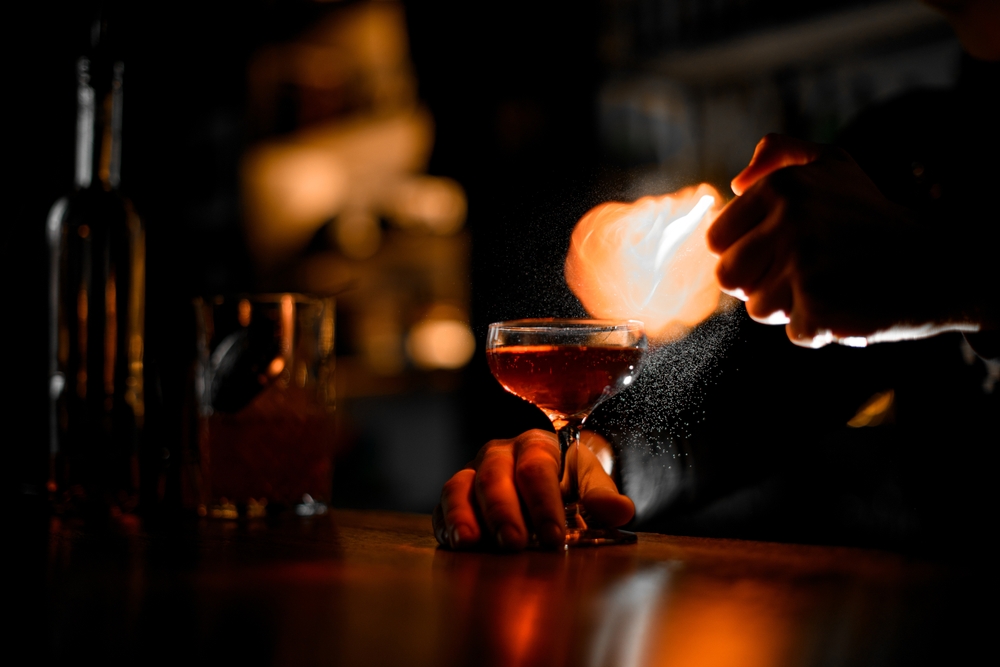
Investigators later confirmed that the fire was caused by sparklers placed in champagne bottles, which ignited the ceiling of the bar. Decorative materials overhead can be highly flammable, especially in enclosed spaces where heat rises quickly. Once fire reaches the ceiling, it can spread rapidly across the room, leaving very little time for people below to react.
In busy nightlife venues, danger is often difficult to detect at first. Music can drown out warning shouts, lighting can obscure smoke until it becomes overwhelming, and alcohol can impair judgment. People may hesitate, unsure whether something is truly wrong, and that hesitation can cost precious seconds when fire is involved.
Crowding adds another layer of risk. When too many people attempt to escape at once, doorways can become blocked and movement slows dramatically. In this incident, Paolo described forcing his way through a blocked door, saying, “I forced my way in, and that’s how I managed to save ten young people.” His experience shows how quickly conditions inside can shift from celebration to catastrophe.
Sixteen-year-old Arthur Brodard went to the Le Constellation bar with friends to celebrate the New Year. Nearly 48 hours after a devastating fire, his mother still held out hope he might be one of the several injured people who remained unidentified after one of Switzerland’s… pic.twitter.com/GRbY53HY8L
— Yahoo News (@YahooNews) January 3, 2026
Smoke Inhalation and Immediate Health Risks
Smoke inhalation is one of the most dangerous aspects of indoor fires. Thick smoke contains carbon monoxide and other toxic gases that reduce oxygen delivery to the brain and organs. Even without direct contact with flames, a person can become disoriented or unconscious within minutes.
Paolo described the scene inside the bar as people struggled to breathe and move. “Through the glass, I could see feet and hands. Bodies on the ground,” he said. Many of those he encountered were injured, burned, and barely able to respond. Some were conscious and crying out, while others had already collapsed due to smoke exposure.
Survivors of smoke inhalation often face lingering physical effects. These can include chest tightness, coughing, headaches, and fatigue that persist long after the event. In severe cases, lung inflammation and airway damage may require extended medical care. Immediate medical evaluation is essential after any exposure to heavy smoke, even if symptoms appear mild at first.

Why Immediate Action Saved Live
In emergency situations, waiting for instructions can be deadly. Paolo did not pause to assess his own safety first. Instead, he moved toward the danger with a clear purpose. As he pushed into the bar, he encountered bodies falling around him and people calling for help in multiple languages.
Recalling the moment, he said, “I can only tell you that several bodies fell on top of us. They were young people, alive but burned. Some were conscious, others weren’t. They were asking for help in various languages, including Italian.” His willingness to act created an escape route when no clear path existed.
Throughout the rescue, one thought guided him. “They could be my children,” he said. That mindset helped him push past fear and exhaustion. His actions demonstrate how decisive movement, even without formal training, can change outcomes when seconds matter.

The Emotional Weight of Surviving a Fire
Escaping a fire does not mean the experience is over. Survivors often carry emotional scars long after physical wounds begin to heal. The shock of being trapped, the fear of suffocation, and the memory of seeing others injured can stay vivid for months or years.
Family members are deeply affected as well. Paolina witnessed her boyfriend escape moments before conditions worsened, only to learn that he was critically injured. Paolo described this narrow escape, saying, “He managed to get out right in front of her eyes. He saved himself by a matter of seconds.” Such moments can lead to lasting anxiety and guilt.
Another reflection from Paolo captures how fragile survival can be. “She was saved by an incredible chain of events. A moment earlier or later, and it would have been a different story.” Processing this reality takes time, support, and understanding, especially for young people who may be experiencing trauma for the first time.

Fire Safety Awareness as a Health Responsibility
Fire safety is not just a matter of building design. It is also a personal health responsibility. Being aware of surroundings, noting exit locations, and recognizing unsafe practices can reduce risk before an emergency begins.
Public venues that allow open flames indoors increase danger significantly. Sparklers, candles, and pyrotechnics should never be treated casually in enclosed spaces. Guests also play a role by paying attention to overcrowding and trusting their instincts if something feels unsafe.
At home and while traveling, preparation matters. Fire extinguishers, smoke alarms, and clear evacuation plans can save lives. Treating safety awareness as part of everyday well being helps people respond faster and more effectively when danger arises.

Lessons Families Can Carry Forward
This tragedy shows how communication and timing can influence survival. A delay that once felt inconvenient became lifesaving. A phone call connected a daughter and her father at the moment it mattered most.
Families can reduce risk by talking openly about safety in social settings. Teenagers should be encouraged to leave if a space feels unsafe, even if it means missing out. Clear communication during emergencies can guide quicker decisions.
Modeling awareness at home also matters. When parents prioritize safety and preparedness, children are more likely to adopt those habits. These lessons may not seem urgent until the moment they are needed.

Turning Tragedy Into Awareness
The loss of life in this fire is devastating, and no lesson can erase that pain. Still, awareness can help prevent similar events in the future. Fires fueled by celebration tools remind us how quickly joy can turn into danger.
Smoke inhalation, panic, and blocked exits are not rare scenarios. They are recurring risks that deserve greater attention from venue operators and the public alike. Understanding these dangers is a step toward prevention.
Remembering what happened in Crans-Montana is about honoring those who were lost by learning from the event. Awareness, preparation, and respect for safety can help protect lives and reduce future loss.
