
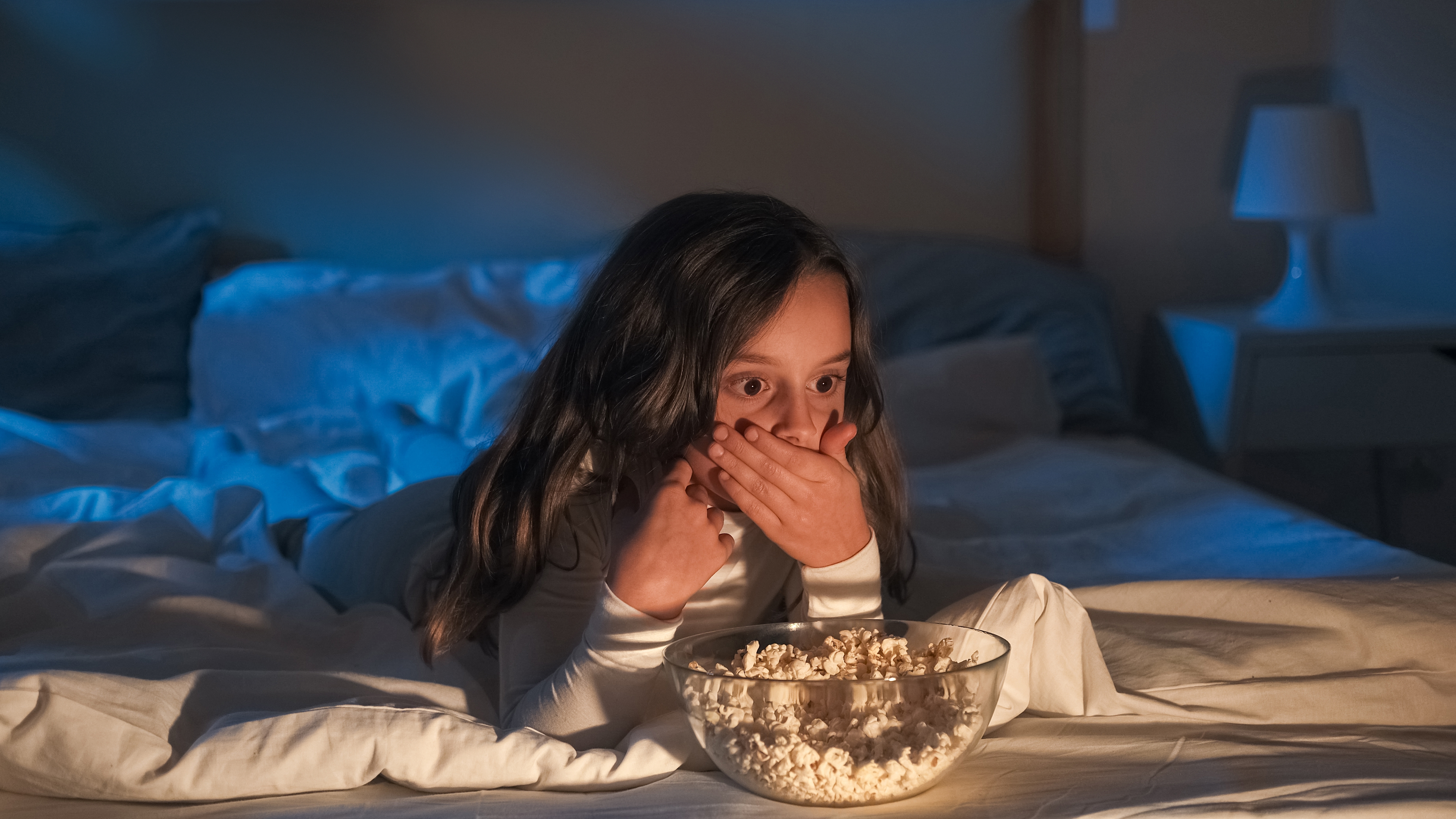
There is a distinct irony in how the generation raised on “free-range” television has grown up to become the most restrictive enforcers of screen limits. While we often cite studies on attention spans or brain development to justify strict boundaries, a deeper, visceral instinct drives the hesitation to hand over the remote. Beneath the modern parenting guidelines lies a collective, unaddressed memory of being small, unsupervised, and blindsided by emotional devastation disguised as family entertainment.
The Misleading Safety of ‘90s Family Entertainment

The Motion Picture Association ratings of the 1990s offered a misleading sense of security for parents. Labels like “G” (General Audiences) and “PG” (Parental Guidance Suggested) implied that content was safe for children, yet the actual narratives often contained devastating emotional arcs. Parents in previous decades did not have resources like Common Sense Media or Google to vet plotlines instantly. Consequently, they often trusted the rating, pressed play, and left the room, assuming a cartoon about dinosaurs or a movie about a girl and her friend was harmless.
The reality of ’90s cinema was starkly different from the gentle storytelling found in modern programs like Bluey. Children watched The Land Before Time and The Lion King, which depicted the violent deaths of parents. My Girl introduced young viewers to the death of a peer via anaphylactic shock, followed by a visceral funeral scene. Bridge to Terabithia and Charlotte’s Web blindsided audiences with sudden loss, forcing children to confront mortality, war, and betrayal without warning.
Because technology was limited to the living room television, consumption was easier to monitor physically but harder to curate emotionally. Children frequently processed these heavy themes in isolation. When they did express distress, adults often dismissed the reaction with the phrase, “It is just a movie.” This lack of parental mediation meant that a generation of children navigated complex grief and trauma on their own, shaping a deep-seated association between screen time and emotional risk.
Evolution of Family Content

The unmonitored exposure to emotional trauma in the 1990s has directly influenced the strict screen time protocols seen today. Modern parents often treat digital media consumption with the same caution reserved for high-sugar diets or hazardous materials. This vigilance extends beyond concerns about blue light or sedentary behavior; it stems from a subconscious desire to protect children from the emotional ambushes that defined the parents’ own childhood viewing experiences.
A significant evolution has occurred in both content production and parental engagement. Contemporary programming, such as Bluey, Moana, or Encanto, is specifically designed with emotional intelligence in mind. Unlike the “sink or swim” narratives of the past, these programs model conflict resolution, emotional labeling, and gentler themes. They serve as tools for emotional coaching rather than sources of shock value.
Consequently, the parenting approach has shifted from passive allowance to active attunement. In previous decades, the television often functioned as a babysitter. Today, caregivers are more likely to co-view content, ready to pause a film to explain a complex feeling or discuss a character’s motivation. This generation focuses on media literacy and emotional processing, ensuring that when a difficult moment occurs on screen, the child has an adult present to help navigate the experience.
“It’s Just a Movie” Mentality

The lasting impact of 90s media stems less from the movies themselves and more from how adults handled the aftermath. Parents in that era didn’t have Google to check reviews or online forums to warn them that a fun movie about a bridge would end in tragedy. They saw a PG rating, bought the ticket, and went in blind. But the real issue wasn’t the surprise; it was the lack of emotional support when the credits rolled.
When a child in the 90s dissolved into tears over The Lion King or My Girl, the standard adult response was often dismissal. Phrases like “it is just a cartoon” or “it isn’t real” were used to shut down tears rather than explain them. This approach mirrored the emotionally detached vibe of the decade—similar to Chandler Bing from Friends, who awkwardly described a tragedy as simply “sad” because he didn’t know how to process it.
This left a generation of children to navigate complex feelings of grief, abandonment, and death in isolation. Without an adult to help unpack why a character died or to validate the sadness, these fictional traumas felt incredibly real and scary. The “damage” 90s kids carried into adulthood didn’t just come from seeing the boat sink in Titanic; it came from having to dry their own tears and move on as if nothing happened.
Turning Screen Time into Connection

Instead of banning every movie with a sad ending, caregivers can use these films as powerful tools for emotional growth. Research on media psychology advocates for “active mediation,” where parents watch alongside children to discuss content in real-time. This approach turns a passive, potentially scary experience into a guided lesson on processing difficult emotions.
The most effective tool available to modern parents is the pause button. Unlike the continuous play of a cinema or broadcast TV, streaming allows adults to stop the film the moment a scene becomes intense. Pausing breaks the tension and grounds the child in the present moment. It provides a necessary beat to check in and ask, “That was scary, wasn’t it?” before the plot moves forward.
Applying the “Name it to Tame it” technique, popularized by psychiatrist Dr. Dan Siegel, is also crucial during these moments. When a child is upset by Charlotte’s Web, prompt them to verbalize exactly what they feel. Identifying the emotion as “sadness” or “shock” helps calm the brain’s emotional center.
Finally, avoid the urge to fix the feeling with logic. Do not rush to say, “It is fake.” Instead, validate the reaction by acknowledging that the story is sad. This teaches children that crying is a healthy, safe response to loss, ensuring they do not have to carry the emotional weight alone.
Rewriting the Script on Classic Films

Eliminating the emotional risks associated with these classic films does not require locking them away in a vault. In fact, attempting to completely sterilize a child’s entertainment diet often backfires. Sadness, loss, and fear are inevitable parts of the human experience. When viewed in a supportive environment, these movies offer a valuable, low-stakes setting for children to encounter heavy concepts for the first time before they face them in real life.
The objective is to shift the perspective from avoidance to preparation. The “damage” sustained by the previous generation was not caused solely by the plot of Bambi or The Land Before Time. It was caused by the absence of a safety net. The screen became a source of trauma because the child was left to process adult themes with a child’s limited understanding.
Today’s parents have the opportunity to rewrite that script. By choosing to sit, watch, and engage, caregivers transform these stories from emotional hazards into bridge-building moments. This approach teaches a vital lesson that 90s parenting often missed: difficult feelings are safe to feel as long as there is someone there to share the weight. The movies haven’t changed, but the outcome will, simply because the child is no longer watching alone.
