
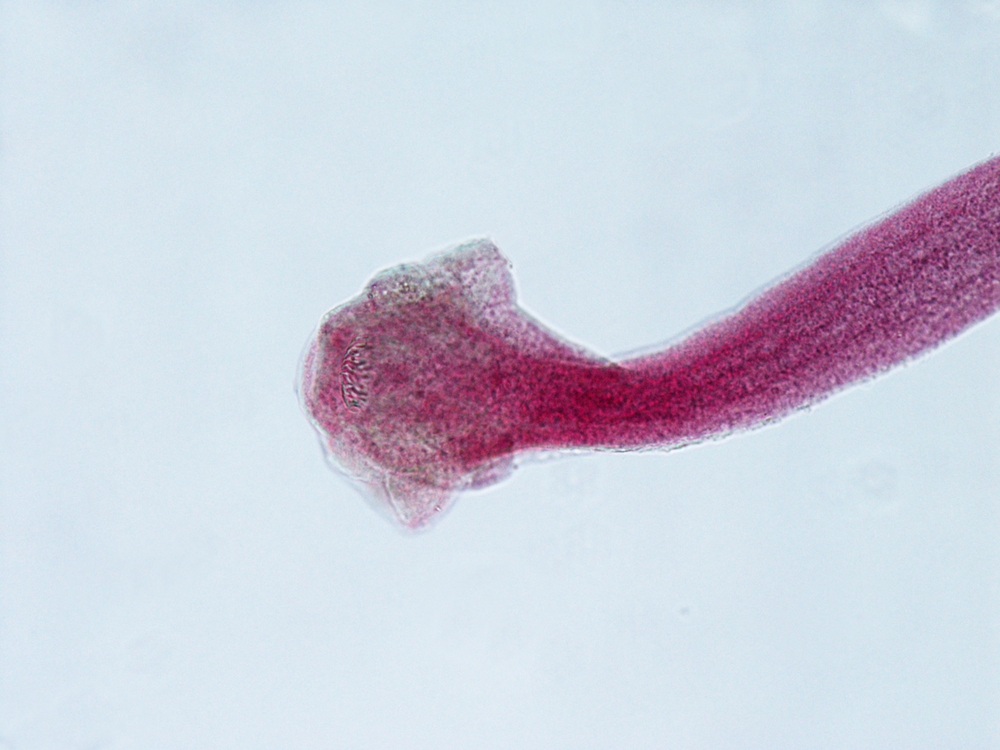
When physicians in Colombia evaluated a 41-year-old man living with advanced HIV, they believed they were facing an aggressive and fast moving cancer. For months, he had been suffering from persistent fever, chronic cough, fatigue, and significant weight loss, all of which are warning signs in someone whose immune system is severely weakened. Imaging scans revealed multiple tumors in his lungs and lymph nodes, findings that typically confirm suspicions of malignancy in immunocompromised patients. Given his medical history and symptoms, cancer seemed like the most logical explanation, and doctors proceeded with biopsies expecting to confirm that diagnosis.
What the laboratory tests ultimately revealed, however, reshaped medical understanding in an unprecedented way. The abnormal cells growing inside his body were not human cancer cells. Instead, they originated from a parasitic tapeworm known as Hymenolepis nana. Researchers at the Centers for Disease Control and Prevention later confirmed that this was the first documented case of cancer cells forming inside a parasite and then spreading into human tissue. The findings, published in the November 5 issue of The New England Journal of Medicine, raised concern that similar cases, if they occur, might be mistaken for traditional human cancers, particularly in regions where parasitic infections and immune suppressing illnesses such as HIV are widespread.

When Tumor Cells Did Not Match Expectations
The patient had been diagnosed with HIV more than ten years earlier but was not receiving treatment, leaving his immune defenses severely compromised. After scans revealed suspicious masses, doctors performed biopsies to determine the nature of the tumors. Under microscopic examination, the cells appeared highly abnormal. They were multiplying rapidly and packed tightly together, both features typical of malignant growth. However, closer inspection revealed significant differences. The cells were approximately ten times smaller than typical human cancer cells, and some of them were fused together in unusual patterns rarely seen in human malignancies.
Recognizing that the findings did not align with standard cancer behavior, Colombian physicians sought help from the CDC’s Infectious Diseases Pathology Branch, a team specializing in unexplained illnesses. Early testing indicated that the cells were not human in origin, which deepened the mystery and prompted an extensive series of investigations. Over the next several years, researchers conducted numerous genetic analyses and laboratory tests to determine the source of the abnormal tissue. Eventually, they detected DNA from H. nana within the tumor samples. Dr. Atis Muehlenbachs, who led the investigation, described the moment of realization by saying, “We were amazed when we found this new type of disease – tapeworms growing inside a person essentially getting cancer that spreads to the person, causing tumors.” Despite the groundbreaking discovery, the patient died just 72 hours after the diagnosis was confirmed.

The Biology Of Hymenolepis Nana
Hymenolepis nana, often referred to as the dwarf tapeworm, is the most common tapeworm infecting humans. It is estimated to infect up to 75 million people worldwide at any given time. Infection typically occurs when individuals ingest food or water contaminated with infected fecal matter, mouse droppings, or insects carrying the parasite’s eggs. In areas where sanitation infrastructure is limited and handwashing practices are inconsistent, transmission rates tend to be higher. Many infected individuals experience mild symptoms or none at all, which allows the parasite to circulate quietly within communities.
One of the defining characteristics of H. nana is its ability to complete its entire life cycle inside a single human host. Unlike many other tapeworm species that require intermediate hosts such as livestock, this parasite can develop from egg to adult entirely within the small intestine. This unique lifecycle allows internal reinfection, meaning the worm population can expand significantly without additional external exposure. In individuals with strong immune systems, the body typically keeps the parasite load under control. In people with compromised immunity, including those with untreated HIV or those taking immunosuppressive medications, the parasite can multiply more extensively and persist for longer periods. Researchers believe that the same biological mechanisms that help the tapeworm avoid immune detection may have also allowed its mutated cells to grow unchecked in this particular case.

How Cancer Developed Inside A Parasite
Cancer occurs when cells accumulate genetic mutations that disrupt normal growth regulation, leading to uncontrolled division and invasion of surrounding tissues. In this extraordinary case, those mutations developed within the tapeworm’s own cells rather than within the patient’s cells. Scientists hypothesize that as the parasite population expanded inside the patient’s intestine, some of the worm’s cells acquired genetic changes that triggered malignant transformation. Because the patient’s immune system was severely weakened, these abnormal parasite cells were not identified and destroyed as they might have been in a healthier individual.
Once the tapeworm cells became cancerous, they began multiplying aggressively and eventually spread beyond the intestine into the patient’s lungs and lymph nodes. Under the microscope, the tumors displayed behavior consistent with malignancy, including rapid cell division and dense clustering. However, genetic testing clearly showed that the tumor cells were derived from the parasite rather than human tissue. Dr. Muehlenbachs emphasized the rarity of this event, stating, “We think this type of event is rare. However, this tapeworm is found worldwide and millions of people globally suffer from conditions like HIV that weaken their immune system. So there may be more cases that are unrecognized. It’s definitely an area that deserves more study.” His statement reflects both the unusual nature of the discovery and the possibility that similar cases may not always be correctly identified.

Diagnostic And Treatment Challenges
This discovery presents serious diagnostic challenges, particularly in regions where access to advanced molecular testing is limited. Under standard microscopic evaluation, the tumor cells closely resembled human cancer. Without DNA analysis, physicians may not have detected their parasitic origin. In areas where H. nana infections are common and HIV prevalence is high, unusual tumors could potentially be misclassified as conventional cancers, leading to inappropriate treatment strategies.
Treatment options remain uncertain because traditional anti-parasitic medications are designed to eliminate adult worms in the intestine, not malignant parasite cells that have spread into other tissues. At the same time, it is unclear whether standard chemotherapy used for human cancers would effectively target parasite derived tumor cells. Researchers have suggested that human cancer therapies might offer some benefit, but further investigation is needed before clear treatment guidelines can be established. The case underscores the importance of early HIV treatment, which preserves immune function and reduces vulnerability to opportunistic infections and unusual disease processes.

Prevention And Immune Health
Preventing infection with H. nana relies heavily on proper hygiene and sanitation. Thorough handwashing with soap and warm water before eating and after using the restroom is one of the most effective preventive measures. When traveling to areas where sanitation conditions are limited, individuals should wash, peel, or cook fruits and vegetables using safe water. Avoiding food that may be contaminated by rodents or insects further decreases exposure risk. Public health initiatives aimed at improving sanitation and clean water access remain critical in reducing the global burden of tapeworm infections.

Maintaining strong immune function is equally important. Individuals living with HIV can significantly reduce complications by consistently taking antiretroviral therapy, which helps preserve immune system strength. Balanced nutrition, adequate sleep, and stress management contribute to overall immune stability and resilience. Although the development of parasite derived cancer is extraordinarily rare, this case demonstrates how severe immune suppression can create conditions where highly unusual medical events become possible. Strengthening immune defenses and promoting global sanitation remain foundational strategies for protecting human health.
