
For years, Australia’s beloved koalas have been fighting an invisible enemy—chlamydia. This sexually transmitted infection, surprisingly similar to the strain that affects humans, has devastated wild populations. The disease spreads quickly among koalas, leading to painful symptoms like blindness, urinary tract infections, and in many cases, infertility that robs females of their ability to reproduce. When paired with habitat loss, climate pressures, and natural disasters such as bushfires, chlamydia has made survival incredibly difficult for one of the world’s most iconic animals. In some parts of Australia, more than half of koalas are infected, painting a dire picture for their long-term survival and forcing conservationists to search desperately for solutions that go beyond short-term fixes.
Now, after more than a decade of research, scientists have developed a vaccine that may finally give koalas the chance to thrive again. Unlike antibiotics, which disrupt their delicate digestive systems, the vaccine works with the koala’s natural immune defenses to block the infection before it takes hold. Early trials show the vaccine is safe, effective, and able to improve survival rates, fertility, and overall resilience. This breakthrough doesn’t just represent a victory for veterinary medicine—it’s a turning point for wildlife conservation. And while its immediate purpose is to protect koalas, it also sparks bigger questions about prevention, resilience, and what humans can learn from the intersection of animal and environmental health.
Why Chlamydia is So Dangerous for Koalas
Chlamydia in koalas is far from a minor infection. Unlike humans, who can generally treat the disease with antibiotics, koalas face a serious dilemma. Their entire digestive system is built around processing eucalyptus leaves, which are tough, fibrous, and even toxic to most animals. To survive on this limited diet, koalas have evolved a unique microbiome—a community of bacteria in their gut that helps them extract nutrients and detoxify harmful compounds. But this microbiome is highly sensitive, and antibiotic treatments can easily wipe out the beneficial bacteria, leaving koalas unable to properly digest their only food source. In practice, this means the very medicine that cures the infection often weakens or starves the animal.
The symptoms themselves are devastating. Koalas with chlamydia often suffer from “wet bottom,” a painful urinary tract condition that leads to incontinence and dehydration. Others develop conjunctivitis so severe that their eyes swell shut, causing permanent blindness that makes survival in the wild nearly impossible. And for females, the infection frequently causes scarring of the reproductive tract, leading to infertility. The impact of these symptoms isn’t limited to individuals. Entire populations are weakened when fewer females can give birth, and when adults die prematurely from infection or secondary complications. Over time, the loss of reproductive potential and the spread of disease can cause population crashes that are difficult to reverse.
Conservationists recognize that tackling chlamydia is about more than curing sick individuals—it is about breaking the cycle that threatens the species as a whole. Without intervention, the infection continues to spread, generation after generation, creating smaller and weaker populations that are increasingly vulnerable to other environmental pressures. A preventive vaccine changes the game, protecting koalas before they get sick and giving conservationists a new way to keep wild populations stable and healthy.
The Science Behind the Vaccine
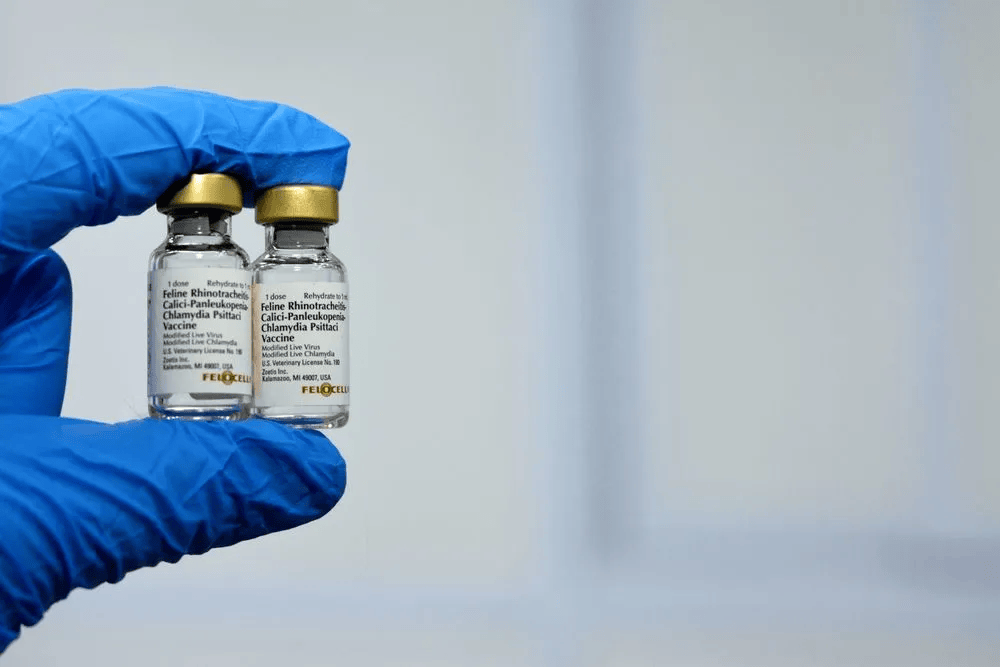
The journey to creating a chlamydia vaccine for koalas has been long, complex, and filled with challenges. Scientists needed a solution that could train the koala’s immune system to recognize and fight off the bacteria without interfering with their delicate digestive biology. After years of trial and error, researchers developed a protein-based vaccine that stimulates the production of antibodies capable of blocking chlamydia before infection sets in. In controlled trials, vaccinated koalas showed significantly lower infection rates compared to unvaccinated animals, proving the concept worked.
Another major hurdle was figuring out how to deliver the vaccine to wild animals. Unlike domestic pets or livestock, koalas are not easy to catch and treat on a large scale. To overcome this, conservationists integrated the vaccine into existing wildlife management practices. For example, koalas that arrive at rehabilitation centers due to injury or habitat displacement can now receive the vaccine before being released back into the wild. This ensures that vaccinated individuals rejoin their populations with built-in protection, gradually increasing herd immunity in the wild.
Equally important, the vaccine has proven safe for koalas. Unlike antibiotic treatment, which disrupts their microbiome, vaccination works with their immune system, avoiding side effects and preserving the balance of their gut bacteria. This not only improves survival chances but also makes vaccination a realistic long-term strategy that conservationists can scale up. Over time, the widespread use of this vaccine could dramatically reduce chlamydia rates, allowing koalas to reproduce and rebuild their populations more effectively.

Conservation Impact: Saving a Species
Koalas are already classified as vulnerable, and in some regions, their numbers are dropping so quickly that extinction within a century is a real possibility. Chlamydia has been one of the leading drivers of this decline, compounding the effects of deforestation, urban expansion, and climate extremes like heatwaves and bushfires. For conservationists, the vaccine represents more than just a medical advancement—it’s a lifeline. By protecting individuals from disease, the vaccine also protects the integrity of entire populations, ensuring that koalas can breed, thrive, and maintain their ecological role in Australia’s forests.
Widespread vaccination has the potential to reverse decades of decline. Females who would otherwise be infertile can give birth again, producing healthy joeys who grow up free of infection. Populations that were shrinking due to high mortality may begin to stabilize or even expand. This shift would not only help conserve genetic diversity, which is critical for long-term survival, but also restore the balance of ecosystems where koalas play a key role in shaping vegetation and providing habitat for other wildlife.
There is also a cultural dimension to the conservation story. Koalas are more than just animals—they are symbols of Australia and one of the nation’s most recognized ambassadors to the world. Tourism, conservation awareness, and national pride are all tied to the survival of this species. Protecting koalas through vaccination doesn’t just save an animal; it preserves a cultural treasure and a cornerstone of Australia’s biodiversity.
What Koalas Can Teach Us About Human Health
Interestingly, the lessons from koalas may extend far beyond wildlife medicine. The strain of chlamydia affecting koalas shares many similarities with the one that infects humans. Globally, chlamydia remains one of the most common sexually transmitted infections, yet no human vaccine currently exists. Treatment relies heavily on antibiotics, but as antibiotic resistance grows, the need for preventive alternatives becomes more urgent. Research on koalas offers valuable insights into how vaccines could be developed for human use, with potential breakthroughs that could reshape sexual health care around the world.
The parallels also highlight the growing importance of what scientists call the “One Health” perspective—the idea that the health of humans, animals, and ecosystems is deeply interconnected. Studying how koalas respond to vaccination not only informs wildlife conservation but also expands our understanding of human disease prevention. This holistic view acknowledges that protecting animals can directly or indirectly protect humans, especially when it comes to diseases that cross species or share biological similarities.
Beyond specific vaccines, the koala story raises broader questions about prevention versus treatment. Just as antibiotics are not always the best solution for koalas due to their sensitive microbiome, humans are learning that over-reliance on antibiotics has serious long-term costs, including resistance. Vaccination offers a safer, preventive strategy that strengthens natural immunity and reduces the need for reactive treatments. For both species, the lesson is clear: prevention is more sustainable than cure.
Natural Lessons: Prevention Beyond Medicine
The story of the koala vaccine reminds us that true health extends beyond medical treatments—it’s also about building resilience through prevention and balance. For koalas, that means not only receiving vaccines but also living in healthier habitats where food is abundant, stress is lower, and ecosystems are intact. Without safe forests and clean water, even a vaccine cannot guarantee their survival. Conservation is as much about protecting the environment as it is about protecting the animals themselves.
For humans, the lesson is strikingly similar. Medicine is vital, but our everyday choices also shape our risk of disease and our ability to recover when illness strikes. Eating nutrient-rich whole foods strengthens the immune system, while fermented foods and probiotics protect gut health in much the same way a balanced eucalyptus diet supports koalas. Managing stress through yoga, meditation, or mindful breathing helps regulate hormones and immune function, lowering vulnerability to infection. Spending time outdoors also boosts mental and physical health, creating resilience against modern health stressors.
Ayurveda and other traditional wellness systems echo these principles, emphasizing balance as the foundation of health. Practices such as eating according to seasonal rhythms, supporting digestion with herbs like triphala, and incorporating grounding rituals can help the body maintain harmony. Just as koalas need a healthy ecosystem to thrive, humans benefit from creating internal and external environments that support balance, immunity, and vitality. In both cases, prevention through lifestyle and natural support systems is a powerful complement to modern medicine.
A Hopeful Step for Koalas and Beyond
The arrival of a chlamydia vaccine for koalas is more than a conservation breakthrough—it is a symbol of what persistence in science, compassion for animals, and respect for nature can achieve. For koalas, it may mean the difference between extinction and survival. For humans, it offers a reminder that health, whether personal or planetary, is always interconnected. By protecting one species, we expand the boundaries of knowledge and open doors for innovations that may someday benefit us all.
As the vaccine rolls out, the future of koalas looks brighter than it has in decades. Protected against a disease that once seemed unstoppable, they now have a fighting chance to repopulate forests, support ecosystems, and remain a cherished part of Australia’s natural heritage. Their survival story is not just about science—it’s about resilience, prevention, and the recognition that when we care for other species, we ultimately care for ourselves. The koala vaccine is not just great news for Australia—it’s great news for the planet.
