
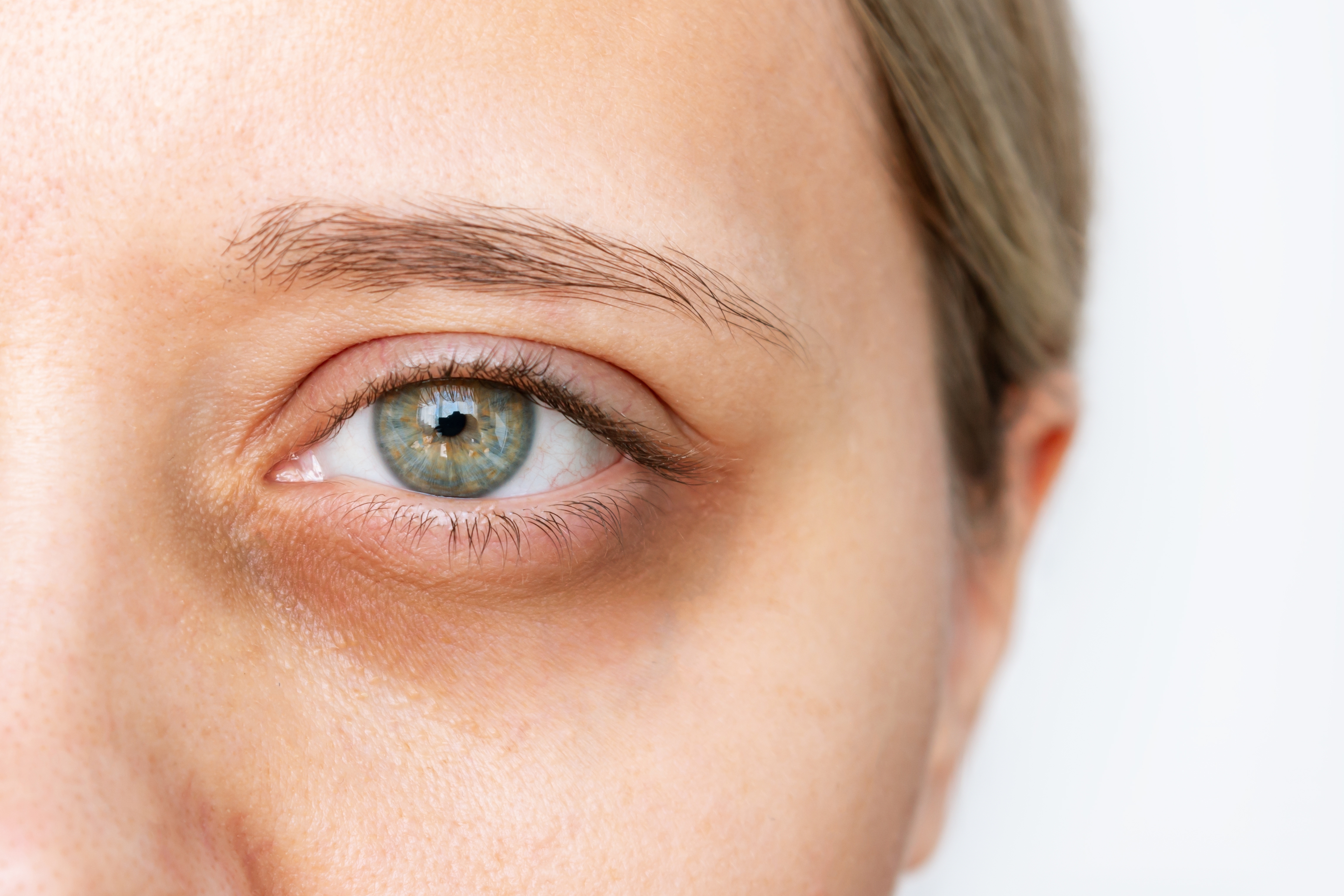
We’ve all been there: standing in front of the mirror, rubbing our tired eyes, and wondering why those dark circles never seem to go away. For many, they’re just a cosmetic annoyance, the kind of thing that gets covered up with makeup or eye creams. But what if those shadows under your eyes aren’t just about lack of sleep or stress? Could they be your body’s subtle way of sending a signal?
Much like how a cough can be a sign of a cold, or a headache might point to dehydration, dark circles can sometimes reveal something more—an underlying health issue that’s trying to grab your attention. From iron deficiencies to hormonal imbalances, these darkened areas around your eyes could be your body’s early warning system, nudging you to take better care of yourself.
What Are Dark Eye Circles?

Dark circles, the dark, often puffy areas under your eyes, can make you look tired and older than you feel. The skin beneath the eyes is thinner than the rest of the face, which means the blood vessels in that area are more visible. Normally, blood that flows through these tiny capillaries is dark red in color, but because the skin is so thin, it appears darker and more pronounced, especially when we’re tired or stressed. This is why dark circles are so common after a night of poor sleep.
But what exactly causes them to appear? There’s a range of factors at play. The most common culprit is simply a lack of sleep. When you don’t get enough rest, your body compensates by making your blood vessels dilate, and the result is darker circles under your eyes. But dark circles can also be linked to other environmental factors, such as allergies, or even lifestyle habits like smoking or alcohol consumption. It’s important to understand that while dark circles can be a sign of tiredness or stress, they may also be a symptom of something deeper within your body.
The appearance of dark eye circles can vary from person to person, depending on genetics and skin tone. People with fair skin, for example, tend to have more visible veins under their eyes, which gives rise to a more noticeable dark circle. On the other hand, individuals with darker skin tones may experience pigmentation changes that cause these circles to look more prominent. Genetics often play a significant role in whether or not someone is more likely to develop dark circles, and sometimes, no matter how much sleep you get, they just seem to appear. But it’s not just about aesthetics—dark circles can be a clue to how well your body is functioning.
Common Causes of Dark Eye Circles

Lack of sleep is the most straightforward explanation for dark circles. Sleep is a vital component of health that allows the body to repair itself, recharge, and reduce stress. When you skimp on sleep, it not only takes a toll on your mood and energy levels, but it also affects your skin’s ability to repair itself overnight. Blood vessels under the skin dilate when you’re tired, resulting in the dark shadowing we associate with dark circles. This can be especially noticeable after long periods of poor sleep, where the body’s natural recovery process is disrupted.
Allergies can also contribute significantly to the development of dark eye circles. When your body is fighting an allergic reaction, it releases histamines, which cause blood vessels to dilate and become inflamed. This results in both swelling and darkening under the eyes. It’s particularly common for people with seasonal allergies or sensitivities to dust and pollen to notice dark circles. The added rubbing or itching of the eyes only exacerbates the condition, as it can further irritate the skin and lead to more noticeable dark circles.
Aging is another common factor contributing to dark circles. As we get older, the skin around our eyes becomes thinner due to a natural decrease in collagen and fat. This thinning skin allows the dark blood vessels beneath to become more apparent. Aging also leads to a gradual loss of elasticity in the skin, which can cause sagging and puffiness that enhance the appearance of dark circles. The combination of these factors means that as we age, it can become increasingly harder to avoid or correct dark circles, especially if we don’t pay close attention to our skin’s health and overall lifestyle.
When Dark Circles Might Signal Health Issues

Sometimes, dark circles can be your body’s way of signaling an underlying health issue. One such condition is iron deficiency, or anemia. When your body lacks adequate iron, it has trouble producing hemoglobin, which is responsible for carrying oxygen throughout your body. This can lead to poor circulation, which in turn makes the blood vessels under your eyes more prominent. Iron-deficiency anemia can also leave you feeling tired and weak, making it more difficult to recover from daily stressors. If dark circles appear alongside fatigue or pale skin, it’s worth considering a blood test to check your iron levels.
Another potential cause of dark circles is a deficiency in vitamin K. Vitamin K plays a crucial role in blood clotting, and when levels are low, blood can pool beneath the skin, leading to darker pigmentation around the eyes. This is especially common among individuals who have difficulty absorbing fat-soluble vitamins or have dietary restrictions that limit their intake of foods rich in vitamin K. Dark circles caused by a vitamin K deficiency may improve with dietary changes or supplements, though it’s important to first consult with a healthcare provider for proper guidance.
Chronic conditions like thyroid imbalances can also manifest as dark circles. An underactive thyroid (hypothyroidism) often leads to slower metabolism and poor circulation, both of which can exacerbate the appearance of dark circles. When the thyroid isn’t producing enough hormones, the body can experience fluid retention, which may contribute to puffiness and dark shadows under the eyes. Similarly, high levels of stress and the resulting cortisol production can have a similar effect. Cortisol can thin the skin, weaken collagen, and increase blood flow to certain areas, making dark circles even more noticeable.
Lifestyle Factors That Impact Dark Circles

Your daily habits and lifestyle choices play a significant role in whether or not dark circles become a persistent problem. One of the most effective ways to reduce the appearance of dark circles is to ensure you are getting enough high-quality sleep. Aim for at least seven to eight hours of sleep each night, and try to establish a regular sleep schedule. This can help regulate the blood flow around your eyes, reduce inflammation, and allow your body to properly repair itself. Additionally, improving the quality of your sleep by reducing screen time before bed and creating a calm, dark environment can enhance recovery and minimize dark circles.
Diet also plays a vital role in the appearance of dark circles. Poor nutrition, especially deficiencies in vitamins like vitamin C, iron, and vitamin K, can lead to a loss of skin elasticity and make blood vessels more visible. Make sure your diet includes a variety of nutrient-rich foods like leafy greens, berries, nuts, and lean proteins. Hydration is equally important—dehydration can cause your skin to appear dull and sunken, which emphasizes dark circles. Drinking enough water throughout the day helps maintain skin health and can reduce the prominence of under-eye shadows.
Sun exposure is another factor that should not be overlooked. Ultraviolet (UV) rays from the sun can trigger melanin production, which darkens the skin. If you’re prone to dark circles, exposure to the sun can intensify the pigmentation. Using a broad-spectrum sunscreen around your eyes, even on cloudy days, can prevent further darkening of the under-eye area. Wearing sunglasses with UV protection and avoiding prolonged sun exposure can help protect your skin and reduce the severity of dark circles over time.
When Should You Seek Medical Attention?

While dark circles are usually harmless and can be remedied through lifestyle changes, they can sometimes be an indicator of a more serious health issue. If you notice that your dark circles are accompanied by other symptoms, such as unexplained weight changes, fatigue, or persistent swelling, it may be time to seek medical attention. These could be signs of an underlying condition like thyroid dysfunction, kidney disease, or a nutritional deficiency that requires professional treatment.
For those with chronic dark circles that do not improve with sleep, hydration, or diet changes, it might be worth consulting a dermatologist or healthcare provider.
A doctor can help assess whether your dark circles are related to an allergy, a systemic condition, or a hormonal imbalance that needs medical attention. It’s always better to err on the side of caution and have a professional evaluate your symptoms, especially if they persist or worsen over time.
Remember, when it comes to your health, your body often gives you subtle signals before bigger problems arise. Paying attention to changes in your appearance, like dark circles, and linking them to other symptoms can help you catch potential issues early, giving you the best chance for timely treatment and recovery.
How to Treat Dark Circles: Home Remedies and Professional Solutions

There are many ways to treat dark circles, ranging from simple home remedies to advanced dermatological treatments. One of the easiest and most effective home remedies is applying a cold compress to the under-eye area. The cold helps constrict blood vessels, reducing puffiness and darkening. You can use a chilled spoon, a cold washcloth, or even refrigerated tea bags for a soothing, at-home treatment. Additionally, ingredients like aloe vera or cucumber slices have been known to provide temporary relief due to their anti-inflammatory properties.
Topical creams with ingredients like caffeine, hyaluronic acid, and vitamin C are also effective in reducing the appearance of dark circles. Caffeine, for example, constricts blood vessels and can temporarily reduce swelling and darkness. Hyaluronic acid, a humectant, helps hydrate the delicate skin under the eyes, while vitamin C brightens the skin by stimulating collagen production. Using these ingredients regularly can improve the overall health of the skin, making dark circles less noticeable.
For more stubborn cases, there are professional treatments available. Dermatologists may recommend options like chemical peels, laser therapy, or dermal fillers. Chemical peels work by exfoliating the skin and encouraging new cell growth, while laser treatments can stimulate collagen production and reduce pigmentation. Dermal fillers are used to restore volume to the under-eye area, which can make the skin look more even and less sunken. If you’re considering these treatments, it’s essential to consult with a certified dermatologist to discuss your options and determine the best course of action for your specific needs.
