
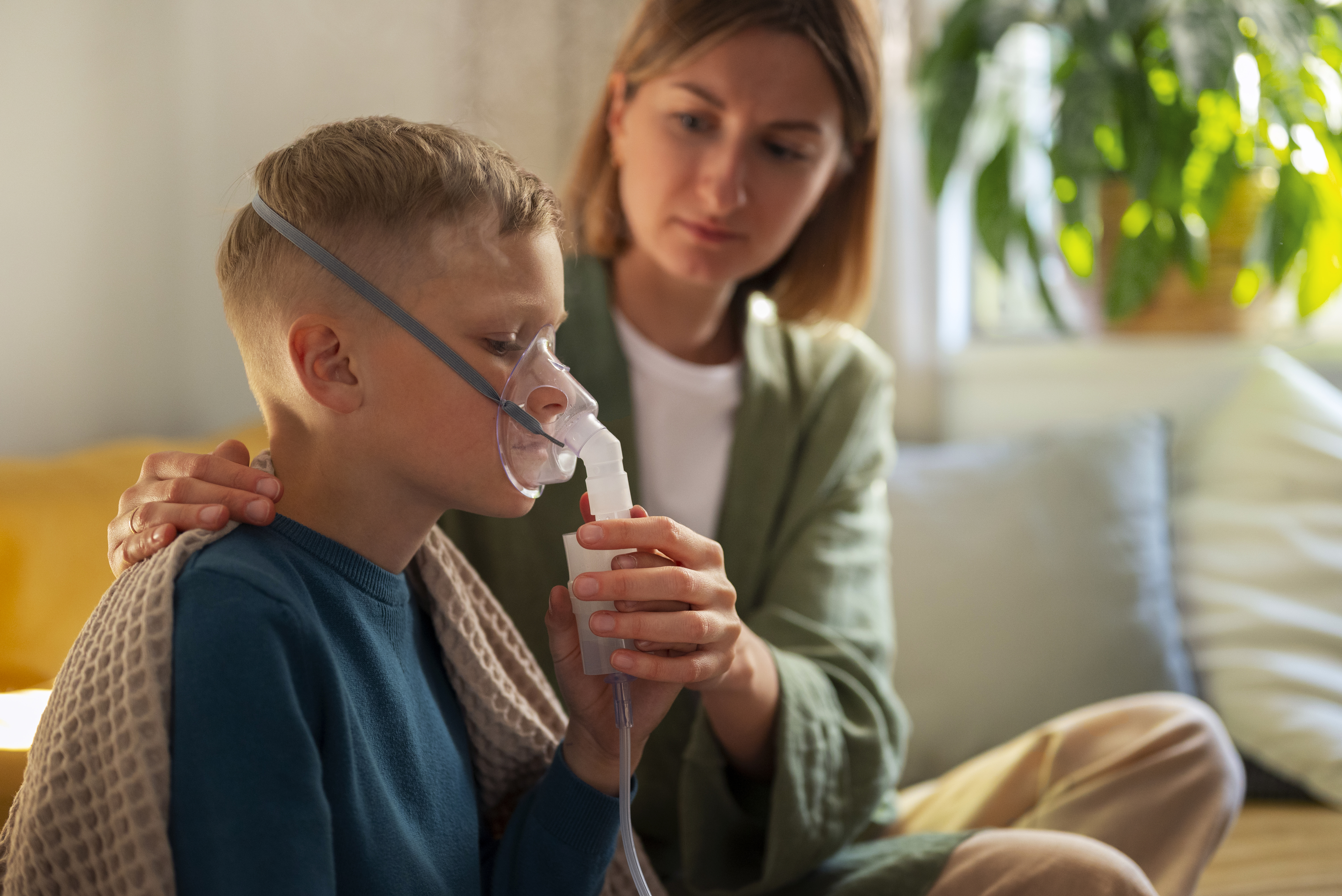
He was just a 12-year-old boy with a love for motorbikes, the outdoors, and carefree afternoons on the schoolyard. No one could have imagined that a routine day at school would become his last—or that a simple, preventable mistake would change the course of his family’s life forever.
But what happened that day didn’t stay buried in silence. It stirred a movement, rewrote school policy, and raised uncomfortable questions about how we treat chronic conditions in children. At the heart of it all was an inhaler—small, life-saving, and tragically out of reach.
This is a story of loss, but also of strength. And it’s a story every parent, teacher, and policymaker needs to hear.
A Routine Day at School Becomes a Tragedy
It was October 9, 2012—just another Tuesday in Straffordville, Ontario. Ryan Gibbons, a seventh grader at Elgin County School, was doing what kids do best: running around, laughing with friends, and kicking a soccer ball during recess. There was no sign that this day would be any different from the hundreds before it. But beneath the surface of normalcy, a ticking clock had already begun.
Ryan had asthma—a manageable condition, but one that can escalate without warning. That day, it did. In the middle of play, he began to struggle to breathe. What he needed was clear: his inhaler. What he didn’t have was access.
Despite having a doctor’s note, and his mother’s repeated attempts to ensure he could carry a puffer on him, school policy demanded all inhalers be kept in the principal’s office. Ryan had even tried bringing backups in his backpack, but they were confiscated—time and again.
As the attack intensified, Ryan’s friends realized he was in real danger. They tried to help—carrying him toward the office in a desperate effort to reach his medication. But they didn’t make it in time. Ryan collapsed. He never regained consciousness.
How a Simple Rule Delayed Lifesaving Treatment

On paper, the rule might have seemed reasonable: keep all medications locked in the school office to prevent misuse or loss. But in practice, it created a dangerous delay that turned into a fatal one.
Ryan Gibbons had been diagnosed with asthma long before that tragic day. His mother, Sandra Gibbons, knew her son’s condition wasn’t something that could wait for permission slips or unlocked drawers. She provided the school with a doctor’s note explicitly allowing Ryan to carry his inhaler. But time and again, school officials refused. Their policy was firm—medications had to be kept under lock and key, no exceptions.
Even when Ryan tried to take control of his own health by sneaking in a backup inhaler, the school responded by confiscating it. His mother received multiple calls asking her to come pick up the “unauthorized” inhalers. He wasn’t even allowed to take them home.
“You would give him an inhaler,” Sandra recalled in an interview, “but then he would get caught with it, and it would be taken away.” The logic behind the rule—meant to protect—had become a barrier to survival.
This wasn’t just red tape; it was a failure of common sense. Asthma doesn’t follow office hours. Attacks can escalate in seconds, and for children like Ryan, waiting even a few minutes for medication can mean the difference between life and death. Unfortunately, Ryan’s school learned that lesson far too late.
A Mother’s Grief, A Movement Begins
The days after Ryan’s death were a blur of grief, disbelief, and unbearable silence. For Sandra Gibbons, waking up without her son felt like losing her entire world. But even as she struggled to process the unthinkable, one truth burned clearly in her mind: this didn’t have to happen.
Sandra could have stayed in mourning. No one would’ve blamed her. But instead, she turned her pain into purpose.
Fueled by a need to ensure no other parent would suffer the same loss, Sandra began speaking out. She shared Ryan’s story in interviews, community forums, and online petitions. She wasn’t interested in assigning blame—she wanted change. Real, lasting, policy-shifting change.
She joined forces with Progressive Conservative MPP Jeff Yurek, who not only represented her riding but also happened to be a pharmacist. Together, they drafted a bill that would challenge the kind of policies that had taken Ryan’s life. Sandra didn’t have political experience or a public platform—what she had was heartbreak, resolve, and a story that couldn’t be ignored.
With every meeting and signature gathered, her campaign gained momentum. Ryan’s face became a symbol. His story became a rallying cry.
How Ryan’s Law Was Passed to Protect Children

Sandra Gibbons didn’t just push for change—she made it impossible to ignore. With support growing across Ontario, her petition reached the provincial legislature. And in 2015, after years of persistence and emotional testimony, Ryan’s Law—Bill 135—passed with unanimous support.
The law was straightforward but powerful: with a doctor’s note, students with asthma must be allowed to carry their inhalers at all times—whether in a backpack, pocket, or wherever they feel safest. No more locked offices. No more delays in emergencies. The goal was clear: never let another child suffer Ryan’s fate simply because a policy failed to prioritize their life.
Sandra’s reaction to the bill’s passage was raw and deeply human. “I’m overwhelmed, very emotional, and very happy it’s going to be implemented,” she said. For her, this wasn’t about politics—it was about justice. It was about honoring a boy who should still be here.
Medical experts quickly backed the legislation. The Asthma Society of Canada called it a critical step forward. “It is essential that children with asthma have ready access to potentially life-saving medications while at school,” said Dr. Rob Oliphant, the group’s president. And the Ontario Lung Association, representing over 500,000 children with asthma, echoed that message with urgency.
Why Asthma Policies Still Fail Some Students

Ryan’s Law was a milestone. But it wasn’t a magic fix.
Despite the law’s passage and public support, inconsistencies in how schools interpret and implement asthma policies continue to leave students at risk. Some schools still cling to outdated procedures, restrict medication access under “zero-tolerance” drug rules, or rely on staff discretion in emergencies—none of which help when seconds count.
Even more troubling is the lack of accountability. In many cases, parents assume their child’s school has updated its policies, only to find out—usually too late—that staff were unaware or untrained. Bureaucratic gaps, uninformed substitute teachers, and unclear communication channels all contribute to a system where “policy on paper” doesn’t always translate to “protection in practice.”
Then there’s the issue of stigma. Some children are embarrassed to use their inhalers in front of peers. Others downplay symptoms to avoid being singled out or sent home. Without a culture that encourages openness and safety around chronic conditions, even legally protected kids can suffer in silence.
Asthma doesn’t wait for a permission slip. And unfortunately, in too many schools, the law is only as strong as the people willing to enforce it.
Until training becomes standardized, enforcement becomes routine, and awareness becomes part of the culture—not just a box to check—there’s still work to be done.
A Parent’s Guide to Protecting Kids with Asthma at School

Ryan’s story is a clear reminder of the importance of asthma awareness, preparation, and open communication. Although legislation such as Ryan’s Law has improved medication access in schools, true safety relies on collaboration among parents, educators, and school administrators. Here are practical steps to help protect children with asthma:
1. Develop a Written Asthma Action Plan
Collaborate with your child’s healthcare provider to create a straightforward asthma management plan. It should specify daily treatments, list known triggers, and provide clear steps for responding to mild, moderate, or severe symptoms. Share this plan with the school, teachers, and caregivers involved in your child’s daily activities.
2. Understand and Utilize Asthma Laws
Be familiar with regional laws related to asthma medication in schools, such as Ryan’s Law in Ontario or similar legislation in various U.S. states. Provide schools with documentation, including a doctor’s note and copies of relevant laws, to ensure your child can legally carry their inhaler.
3. Always Have a Backup Inhaler
Supply at least two inhalers—one your child keeps with them and another stored securely with the school nurse or main office. Regularly check both inhalers for expiration dates and proper functionality.
4. Train School Staff on Recognizing Symptoms
Ensure that teachers, coaches, and other school staff are trained to spot early signs of an asthma flare-up, including coughing, breathlessness, or signs of anxiety. Early identification and action can prevent a severe episode. Advocate for asthma awareness training in staff professional development.

5. Practice Emergency Scenarios
Regularly rehearse with your child what to do if they experience symptoms at school. This includes knowing who to inform, where to go, and how to clearly communicate their needs. Familiarity with these procedures can significantly improve outcomes in an emergency.
6. Review and Clarify School Policies
Before each school year starts, review the school’s medication and asthma policies. Clarify any vague points or restrictions regarding inhaler access and carry policies. Address any concerns proactively with documented evidence and advocacy.
7. Maintain a Communication Record
Keep detailed records of communications with school officials about your child’s asthma management. Documenting emails, meeting summaries, and discussions ensures accountability and provides evidence if disputes or concerns arise.
8. Advocate for Comprehensive Asthma Education
Encourage your school to adopt a thorough asthma education and management policy if one does not already exist. Offer resources or connections with reputable asthma advocacy and education organizations.
Breathing Room for Change
Ryan Gibbons and Javier Avina were just kids—full of energy, dreams, and everyday joys. Neither of them should have died from a condition that can be managed with a device that fits in the palm of your hand. Their stories are painful reminders that well-meaning policies can still be dangerous, and that awareness must evolve into action.
But their stories also show what’s possible when grief turns into advocacy. Because of Ryan, a law now stands in his name—saving lives, changing rules, and challenging institutions to think differently. And while Javier’s death came despite that progress, it reaffirms that vigilance must be constant, not occasional.
This isn’t just about asthma. It’s about every child with a chronic condition walking into a classroom that might not be ready for them. It’s about schools moving beyond compliance and into compassion. And it’s about communities refusing to let bureaucracy outweigh basic human care.
Change started with one mother. It continues with all of us.
