
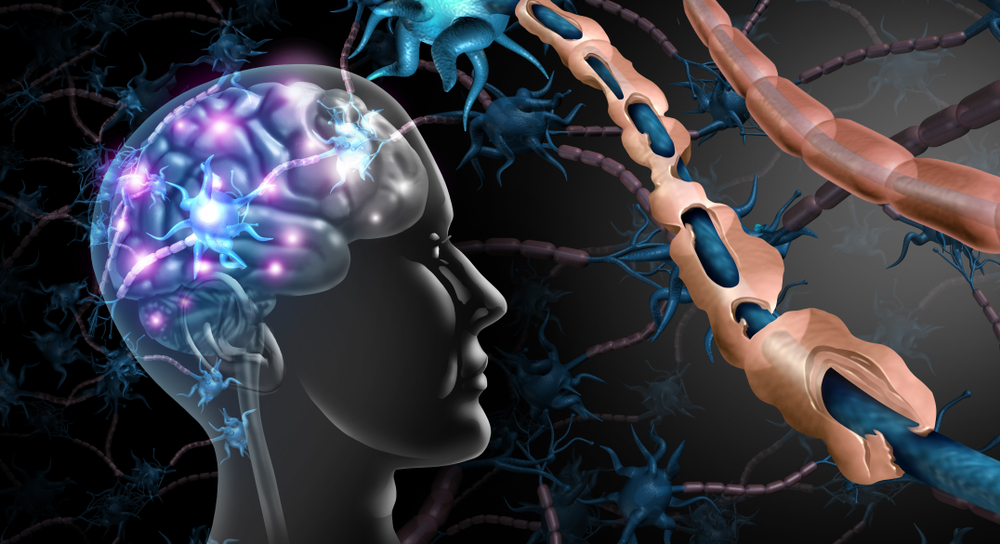
Neurological disorders like multiple sclerosis (MS) disrupt the body’s ability to send signals between the brain and the rest of the body, leading to vision loss, muscle weakness, and cognitive decline. At the root of these symptoms is myelin damage—the protective sheath around nerve fibers that ensures smooth and rapid communication within the nervous system. Once myelin is lost, nerve function deteriorates, and until now, there has been no reliable way to restore it.
For decades, treatments have focused on slowing myelin destruction rather than reversing it. However, a groundbreaking discovery may change that. A new drug candidate, LL-341070, has shown potential not just to halt nerve damage but to actively repair myelin. Early research suggests it could restore vision, improve mobility, and enhance cognitive function—offering real hope for those with MS and other neurodegenerative conditions.
Understanding Nerve Damage and Its Consequences
The human nervous system functions like an intricate communication network, where billions of signals travel between the brain, eyes, and muscles every second. Myelin, a protective sheath around nerve fibers, ensures these messages are delivered quickly and efficiently—similar to insulation on electrical wires. When myelin is intact, the nervous system operates smoothly, allowing for clear vision, coordinated movement, and cognitive function.
In conditions like multiple sclerosis (MS), the immune system mistakenly attacks myelin, stripping it away and leaving nerve fibers exposed. As a result, nerve signals slow down or become completely disrupted, leading to symptoms such as:
- Blurred or lost vision
- Muscle weakness, spasms, or difficulty walking
- Cognitive challenges, including memory loss and reduced problem-solving skills
One of the biggest challenges in treating MS is that the body struggles to regenerate myelin once it’s lost. Current treatments focus on reducing inflammation and slowing further damage, but they do little to restore lost nerve function. This means that despite medical advancements, many MS patients continue to experience worsening symptoms over time.
That’s what makes LL-341070 so promising. Unlike existing treatments that only manage symptoms, this new drug may actually repair myelin and restore nerve function, potentially reversing neurological damage rather than just delaying it.
The Breakthrough Drug: LL-341070

For years, researchers have sought ways to reverse nerve damage rather than just slow it down. Now, scientists at the University of Colorado Anschutz Medical Campus have developed a promising drug candidate, LL-341070. Unlike existing MS treatments that focus on suppressing the immune system to prevent further myelin destruction, this drug directly stimulates myelin repair.
In a recent preclinical study, researchers tested LL-341070 on mice with damaged myelin. The results were significant—treated mice showed faster myelin regeneration and improvements in both vision processing and motor skills. This suggests that the drug does more than just slow neurological decline; it may actually restore lost nerve function.
What makes LL-341070 particularly exciting is its potential beyond MS. Myelin damage is a factor in multiple neurological conditions, including traumatic brain injuries, optic neuritis, and some forms of cognitive decline. If further research confirms its effectiveness, this drug could pave the way for new treatments targeting nerve repair across a broad range of disorders.
While human trials have not yet begun, early findings suggest LL-341070 could represent a major advancement in neurology. Rather than simply managing symptoms, scientists are now exploring the possibility of helping the brain and nervous system heal themselves—a concept once considered nearly impossible.
What Experts Are Saying About LL-341070
The discovery of LL-341070 is being hailed as a potential breakthrough in neurological treatment. Dr. Ethan Hughes, co-lead author of the study, described it as a major step toward helping the brain heal itself. Unlike existing treatments that focus on slowing multiple sclerosis (MS) progression, this drug could actively restore lost function.
Dr. Daniel Denman, another lead researcher, explained that while the body can regenerate myelin, the process is often too slow to prevent permanent nerve damage. LL-341070 appears to accelerate this repair, restoring nerve function in critical areas like vision and motor control.
Beyond MS, neuroscientists believe the drug could be useful for other neurological conditions where myelin loss contributes to cognitive decline and nerve dysfunction. There is growing interest in its potential to slow or even reverse neurodegeneration in aging populations.
While the early results are promising, researchers emphasize the need for further studies to confirm the drug’s long-term effectiveness and safety in humans. If successful, LL-341070 could represent one of the most significant advancements in neurodegenerative medicine.
How LL-341070 Could Change Treatment for MS and Other Neurological Disorders

While multiple sclerosis is the most well-known condition linked to myelin damage, many other neurological disorders also stem from the loss of this protective sheath. Conditions such as optic neuritis, traumatic brain injuries, and certain forms of dementia involve myelin deterioration, leading to impaired nerve function, vision problems, and cognitive decline. If LL-341070 proves effective in human trials, it could open the door to a new era of treatment for a wide range of neurological diseases.
For individuals with MS, this drug represents a long-awaited breakthrough—one that goes beyond slowing disease progression to potentially reversing damage. Current treatments reduce inflammation and prevent further myelin loss, but they do little to repair what has already been destroyed. This means that many MS patients continue to experience worsening symptoms despite treatment. LL-341070, however, could restore lost myelin, improving vision, mobility, and cognitive function once thought to be permanently compromised.
The potential extends to neurodegenerative diseases where myelin deterioration contributes to cognitive decline, such as Alzheimer’s disease. By protecting and restoring myelin, LL-341070 or similar drugs could one day help slow or even reverse aspects of neurological aging.
Although further studies are needed, the possibility of a treatment that restores nerve function rather than just managing symptoms represents a major shift in neurology. LL-341070 may not only transform MS treatment but also pave the way for new approaches to a wide range of neurological conditions.
Turning the Tide on Neurological Diseases

The development of LL-341070 represents a shift in how neurological diseases may be treated. Instead of simply slowing the progression of conditions like multiple sclerosis, this drug could offer real restoration—helping patients regain lost function rather than just managing symptoms.
If human trials confirm its effectiveness, LL-341070 could redefine treatment strategies for MS and other neurodegenerative diseases. A future where nerve damage is no longer permanent but reversible would change the lives of millions. Patients who once faced inevitable decline might instead experience recovery, regaining mobility, vision, and cognitive abilities thought to be lost.
While the drug is still in its early stages, the potential it holds is undeniable. LL-341070 is not just another treatment—it represents hope for a new era in neurology, where healing and repair become possible outcomes, not just aspirations.
Sources:
- News-Medical. (2025, January 25). New drug candidate shows potential to restore vision in people with MS. https://www.news-medical.net/news/20250124/New-drug-candidate-shows-potential-to-restore-vision-in-people-with-MS.aspx?
- Empowering people affected by MS to live their best lives. (n.d.). National Multiple Sclerosis Society. https://www.nationalmssociety.org/news-and-magazine/news/remyelination-vision-nerve-cell-function?
