
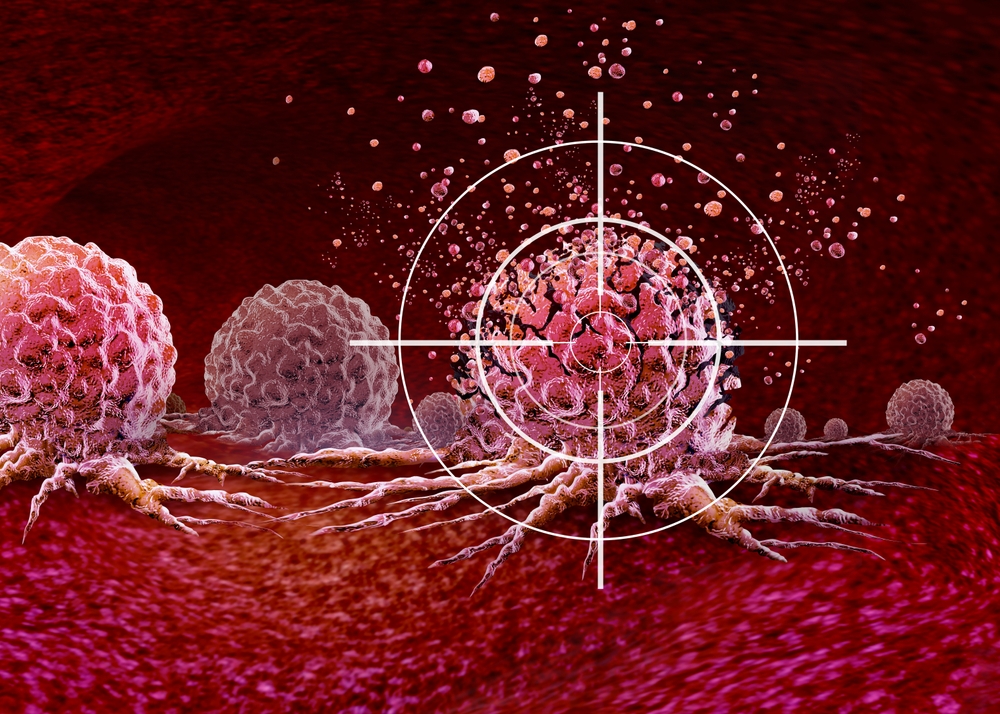
Imagine a world where a diagnosis of cancer no longer carries the weight of fear, but instead, hope for a precise and personalized cure. For decades, cancer has been humanity’s greatest killer, claiming millions of lives each year and sparing no corner of the globe. Despite advancements in medicine, treatments like chemotherapy and radiation often feel like blunt instruments—effective but indiscriminate, attacking both healthy and cancerous cells alike.
Now, a groundbreaking approach promises to change the narrative. Personalized cancer vaccines, engineered to harness the unique genetic makeup of an individual’s tumor, could redefine how we combat this formidable disease. With trials showing significant progress and the promise of fewer side effects, the question looms: are we on the brink of making cancer a manageable, even preventable condition?
Personalized Cancer Vaccines: Precision Meets Immunology

At the heart of personalized cancer vaccines lies a groundbreaking fusion of immunology and precision medicine, signaling a shift in how we combat one of humanity’s deadliest diseases. Unlike traditional vaccines, which are designed to prevent infections by introducing a harmless form of a virus or bacterium, these vaccines take an entirely different approach. Personalized cancer vaccines are therapeutic, aimed at treating existing cancers by harnessing the body’s immune system to target cancer cells as if they were foreign invaders. What makes this approach revolutionary is its tailored nature—it’s not a one-size-fits-all solution but a bespoke therapy designed for each patient.
The journey to creating these vaccines begins with the tumor itself. Cancer cells mutate as they grow and divide, producing unique proteins called neoantigens that differentiate them from healthy cells. By sequencing the DNA and RNA of a patient’s tumor and comparing it to their normal genetic profile, researchers can identify these neoantigens—the tumor’s unique “fingerprints.” These genetic anomalies serve as the foundation for crafting a vaccine that teaches the immune system to recognize and attack cancer cells with pinpoint accuracy.
Once these neoantigens are identified, they are encoded into a vaccine, often using advanced mRNA technology. When administered, the vaccine acts as a blueprint for the immune system, activating specialized cells like T-cells to hunt and destroy the cancer cells displaying these unique markers. This process not only targets existing cancer cells but also equips the immune system to recognize and attack any residual or returning cancer cells, potentially reducing the likelihood of recurrence. Personalized cancer vaccines represent a bold step forward in medicine, transforming the body’s natural defenses into a precision-guided weapon against cancer.
Breakthroughs and Clinical Trials: Progress So Far
The journey toward personalized cancer vaccines has been marked by remarkable breakthroughs, with recent clinical trials offering a glimpse into their transformative potential. Among the most notable advancements are the mRNA-based vaccines developed by biotech pioneers Moderna and BioNTech, the same companies that revolutionized the fight against COVID-19. These vaccines leverage the same underlying mRNA technology but apply it in a highly specialized manner to target cancer cells instead of viruses.
In a groundbreaking clinical trial focused on melanoma, patients who received a personalized mRNA vaccine alongside traditional immunotherapy showed significantly reduced risks of recurrence compared to those receiving immunotherapy alone. Early data suggests that this tailored approach could be effective not only in reducing tumor growth but also in preventing cancer from returning. The success of these trials has fueled optimism, with researchers now expanding their efforts to include other cancer types, such as lung, breast, and pancreatic cancers, which have historically been more resistant to treatment.
Beyond mRNA technology, other approaches are also gaining traction. Some trials are exploring the use of dendritic cell vaccines, which involve modifying immune cells to present tumor-specific antigens to the immune system, effectively “teaching” it to recognize and destroy cancer cells. The results from these studies underscore the versatility of personalized vaccines and their potential to transform treatment landscapes across a wide range of cancers. However, while progress has been promising, these breakthroughs are only the first steps in what remains a complex and challenging path toward widespread implementation.
The Potential Benefits of Personalized Cancer Vaccines

Personalized cancer vaccines represent a significant leap forward in the quest for more effective and less harmful cancer treatments. Unlike conventional methods such as chemotherapy and radiation, which target both healthy and cancerous cells indiscriminately, these vaccines offer a highly targeted approach. By focusing solely on tumor-specific mutations, they minimize damage to healthy tissues, reducing the debilitating side effects often associated with traditional treatments. This precision not only improves the patient’s quality of life during treatment but also ensures a more efficient attack on cancer cells.
Another groundbreaking advantage lies in the potential for long-term immunity. These vaccines train the immune system to recognize cancer-specific markers, enabling it to remain vigilant against the disease even after the initial treatment. This could drastically reduce the likelihood of recurrence, a persistent challenge in cancer care. For patients with aggressive or advanced-stage cancers, this could mean prolonged survival rates and, in some cases, a transformation of cancer into a manageable chronic condition rather than a terminal diagnosis.
Moreover, the adaptability of personalized cancer vaccines opens the door to treating a wide variety of cancers, including those that have traditionally been more resistant to conventional therapies. The ability to tailor vaccines to an individual’s unique tumor profile means that even rare or complex cancers could be addressed more effectively. As the technology evolves, there’s hope that these vaccines could also be used in preventive settings for high-risk individuals, providing a proactive shield against the disease. This personalized, precise, and potentially preventive approach could redefine cancer care as we know it.
Challenges and Barriers to Implementation

Despite their groundbreaking potential, personalized cancer vaccines face significant challenges that must be overcome before they can become widely available. One of the primary barriers is cost. The intricate process of sequencing an individual’s tumor, designing a tailored vaccine, and producing it for a single patient is expensive and time-intensive. This raises concerns about accessibility, particularly for patients in low- and middle-income countries, where advanced medical treatments are often out of reach. For personalized vaccines to have a global impact, scaling production while keeping costs manageable is an urgent priority.
Another major challenge lies in the complexity of the science itself. Each tumor is unique, and developing a vaccine that effectively targets its specific mutations requires immense precision. Furthermore, the body’s immune system is incredibly complex and can sometimes fail to respond to the vaccine as intended. Ensuring consistent efficacy across diverse populations with varying genetic and environmental factors adds another layer of complexity to the equation. Clinical trials must address these variables to ensure the vaccines are both effective and safe for all patients.
Regulatory and logistical hurdles also pose significant obstacles. Personalized cancer vaccines do not fit neatly into traditional drug approval frameworks, which are often designed for standardized treatments. Navigating these uncharted regulatory waters could delay widespread adoption. Additionally, the infrastructure required to produce and administer these vaccines on a large scale is not yet fully in place. Addressing these challenges will require collaboration between researchers, healthcare providers, governments, and pharmaceutical companies to streamline processes and build the systems necessary for global distribution. While these barriers are formidable, the potential rewards make overcoming them a worthwhile endeavor.
Transforming Cancer Care Through Personalization
Personalized cancer vaccines stand at the forefront of a medical revolution, offering hope where conventional treatments often fall short. By tailoring therapies to the unique genetic makeup of each patient’s tumor, these vaccines represent a shift toward precision medicine that prioritizes effectiveness and minimizes harm. The progress achieved so far, from promising clinical trials to breakthroughs in mRNA technology, is a testament to the immense potential of this innovative approach.
However, the path forward is not without its challenges. High costs, scientific complexities, and logistical hurdles must be addressed to ensure that these life-saving therapies are accessible to all who need them. Collaboration between researchers, healthcare systems, and policymakers will be essential in overcoming these barriers and paving the way for widespread adoption.
As we look to the future, the promise of personalized cancer vaccines shines brightly. They are more than a treatment; they are a testament to the power of human ingenuity and resilience. With continued investment, innovation, and determination, these vaccines could redefine cancer care, turning a once-feared diagnosis into a condition that can be managed, treated, and even prevented. In the fight against humanity’s greatest killer, personalized cancer vaccines offer a beacon of hope, lighting the way toward a healthier, cancer-free future.
