
Picture a summer evening in your backyard—the warm breeze, the golden sunset, and the unwelcome buzz of mosquitoes interrupting the tranquility. These tiny pests are more than just annoying; they can carry dangerous diseases and disrupt the peace of your outdoor moments. While sprays and repellents may offer temporary relief, what if the solution was already fluttering gracefully in nature’s design?
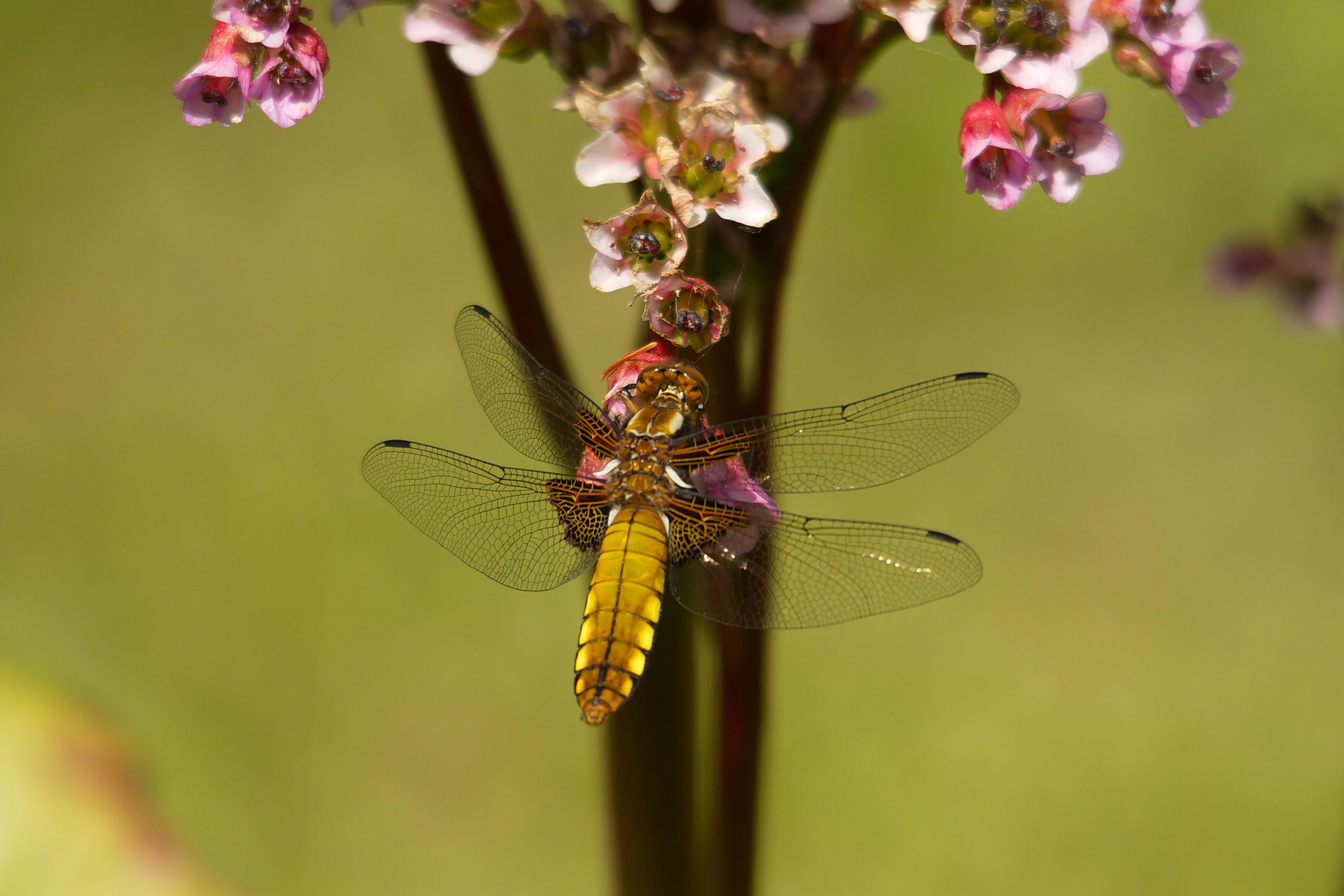
Enter dragonflies—captivating creatures with shimmering wings and aerial acrobatics. These natural hunters have an extraordinary talent that could transform your yard into a mosquito-free haven. But how can you attract them, and what role do they play in balancing ecosystems?
Why Dragonflies Matter
Dragonflies are more than just captivating insects; they play a pivotal role in maintaining ecological balance and controlling pest populations. Here’s why they are essential:
1. Natural Mosquito Predators
Dragonflies are voracious hunters, with a single adult capable of consuming hundreds of mosquitoes daily. Their larvae, known as nymphs, inhabit aquatic environments where they feed on mosquito larvae, effectively reducing the number of mosquitoes that reach adulthood. This dual-stage predation makes dragonflies invaluable in natural mosquito control.
2. Indicators of Environmental Health
The presence of dragonflies signifies a healthy ecosystem. They rely on clean water bodies for breeding, and their populations are sensitive to pollution and environmental changes. Researchers consider them bioindicators; a thriving dragonfly population often reflects good water quality and a balanced environment.
3. Integral Components of the Food Web
Dragonflies occupy a crucial position in the food chain. While they prey on mosquitoes and other insects, they also serve as a food source for birds, fish, and other predators. This interconnection helps sustain biodiversity and ensures the stability of various ecosystems.
4. Contributions to Biodiversity
With over 7,000 species worldwide, dragonflies contribute significantly to global biodiversity. Their varied forms and behaviors enrich natural habitats, and their presence supports the survival of other species, highlighting their importance in ecological studies and conservation efforts.
The Benefits of a Dragonfly-Friendly Garden

Transforming your garden into a haven for dragonflies does more than just make it look good—it turns it into a thriving little world of its own. These fascinating creatures aren’t just pretty to watch; they’re hardworking allies that bring balance and charm to any outdoor space.
Think about those summer evenings when mosquitoes seem to swarm out of nowhere. Imagine having nature’s very own pest control on your side. Dragonflies can eat hundreds of mosquitoes in a single day—yes, hundreds! No bug sprays, no sticky citronella candles—just dragonflies quietly taking care of business. They also go after other pesky insects like midges and blackflies, making your garden a much more pleasant place to relax.
But dragonflies don’t just stop at pest control. They’re like the glue that holds your garden’s ecosystem together. They’re both hunters and prey, supporting birds, frogs, and even fish in the food chain. If you see dragonflies zipping around, it’s also a sign that your garden is healthy, with clean water and a well-balanced environment. Let’s face it: a garden with dragonflies feels alive in the best way possible.
And then there’s the beauty they bring. Have you ever seen a dragonfly’s wings shimmer in the sunlight? It’s like catching a glimpse of magic. Their colors range from deep sapphire blues to fiery reds, and their acrobatic flight patterns are pure entertainment. Watching them dart, hover, and glide can turn a simple afternoon in the garden into something extraordinary.
What’s more, dragonflies make your garden a space for discovery. Whether it’s kids marveling at their hunting skills or adults learning about their life cycle, these little creatures inspire curiosity and connection. They remind us of how everything in nature is interconnected—and how much we have to gain by taking care of our environment.
So, if you’re thinking about inviting dragonflies into your garden, don’t hesitate. They’ll reward you with fewer pests, more beauty, and a deeper appreciation for the incredible ecosystem right outside your door.
Attracting Dragonflies to Your Yard

Inviting dragonflies into your garden not only enhances its beauty but also provides natural mosquito control. These aerial hunters thrive in environments that cater to their life cycle needs. Here’s how to make your yard irresistible to dragonflies:
1. Create a Water Feature
Dragonflies begin their lives in water, making aquatic habitats essential for their reproduction. Installing a pond or water feature can significantly increase their presence in your yard.
- Pond Specifications: Aim for a pond that’s at least 2 feet deep. This depth supports dragonfly nymphs while discouraging mosquito larvae, which prefer shallower waters.
- Aquatic Vegetation: Introduce a mix of submerged plants like hornwort and surface-cover plants such as water lilies. These provide egg-laying sites and shelter for nymphs.
- Avoid Fish: Refrain from adding fish to the pond, as they prey on dragonfly nymphs, reducing their survival rates.
2. Incorporate Sunlit Areas
Dragonflies are ectothermic and rely on external heat sources to regulate their body temperature. Ensuring your garden has ample sunlit spaces encourages their activity.
- Open Spaces: Maintain areas with direct sunlight, especially near water features, to facilitate hunting and perching.
- Perching Sites: Place tall plants, sticks, or decorative stakes around the garden. Dragonflies use these elevated spots to rest and survey for prey.
3. Plant Dragonfly-Friendly Vegetation
Certain plants attract dragonflies by offering perching sites and attracting the insects they prey upon.
- Black-Eyed Susan (Rudbeckia hirta): These vibrant flowers attract pollinators, serving as a food source for dragonflies. They thrive in full sun and well-drained soil.
- Joe-Pye Weed (Eutrochium purpureum): This tall perennial produces nectar-rich blooms that draw in butterflies and other insects, enticing dragonflies. It prefers moist soils and partial to full sun.
- Meadow Sage (Salvia marcus): With its purple flowers, this plant attracts various pollinators, providing a food source for dragonflies. It grows best in full sun and well-drained soil.
4. Maintain a Pesticide-Free Environment
The use of pesticides can harm dragonflies and reduce their prey availability.
- Organic Practices: Adopt organic gardening methods to ensure a safe habitat for dragonflies and other beneficial insects.
Top Plants to Attract Dragonflies

Creating a garden that attracts dragonflies not only enhances its beauty but also provides natural pest control. By incorporating specific plants, you can invite these beneficial insects into your yard. Here are some plants known to attract dragonflies:
1. Black-Eyed Susan (Rudbeckia hirta)
These vibrant yellow flowers attract pollinators, serving as a food source for dragonflies. They thrive in full sun and well-drained soil.
2. Coneflower (Echinacea spp.)
Coneflowers come in various colors and attract beneficial pollinators. Their tall stalks provide perching spots for dragonflies.
3. Swamp Milkweed (Asclepias incarnata)
This plant produces attractive pink flowers and thrives in moist areas, making it ideal for attracting dragonflies.
4. Joe-Pye Weed (Eutrochium purpureum)
With pale pink-purple flowers, Joe-Pye Weed attracts butterflies and other insects, enticing dragonflies. It prefers moist soils and partial to full sun.
5. Meadow Sage (Salvia marcus)
This plant has colorful flowers that bloom in spring and summer, attracting dragonflies. It grows best in full sun and well-drained soil.
6. Arrowhead (Sagittaria latifolia)
Also known as duck-potato, this aquatic perennial provides egg-laying sites for dragonflies. It thrives in shallow water.
7. Water Horsetail (Equisetum fluviatile)
An emergent plant with stems rising out of the water, offering perching spots for dragonflies. Plant rhizomes about two inches below the soil on the edge of your pond.
8. Cattail (Typha latifolia)
Cattails thrive in moist soil and provide areas for adult dragonflies to rest and lay eggs. They prefer bright locations.
9. Water Lily (Nymphaea spp.)
Floating plants like water lilies make perfect egg-laying spots for adult dragonflies. They can be grown from tubers planted in pots beneath the water’s surface.
Avoiding Pesticides and Chemicals
Creating a dragonfly-friendly garden involves fostering an ecosystem that prioritizes their needs while promoting ecological balance. Rather than relying on chemical interventions, focus on cultivating a natural habitat that encourages the health and presence of these beneficial insects. Emphasize organic gardening practices, which protect dragonflies and other species from harmful pesticides while nurturing the delicate interplay of garden life.
Introduce features that cater to the unique behaviors of dragonflies. For example, tall plants, shrubs, or strategically placed sticks and stones can provide essential perching spots where dragonflies can rest or hunt. Water quality is another critical element; dragonflies rely on clean water for their breeding cycles. By maintaining a pond or water feature, removing debris, and managing algae, you ensure an ideal environment for dragonfly nymphs to thrive.
Planting native vegetation further enhances the garden’s appeal. Native plants not only attract the prey species that dragonflies feed on but also provide suitable shelter and nesting opportunities. To take it a step further, aim for diversity within your garden by incorporating various plants and structural elements. This approach mirrors natural habitats and supports dragonflies throughout their life stages, contributing to a vibrant, balanced ecosystem that thrives without synthetic chemicals.
A Garden Full of Grace and Purpose
Creating a dragonfly-friendly garden is not just about combating mosquitoes—it’s about embracing the beauty and balance of nature. By introducing water features, planting the right vegetation, and maintaining a pesticide-free environment, you can transform your outdoor space into a sanctuary for these captivating creatures. Dragonflies not only add elegance and movement to your garden but also contribute to a healthier ecosystem by keeping pest populations in check.
As you welcome these graceful guardians, you’ll experience the magic of a thriving, harmonious garden that benefits both you and the environment. So, start planting, enjoy the dance of dragonflies, and revel in the natural pest control that comes with it.
