
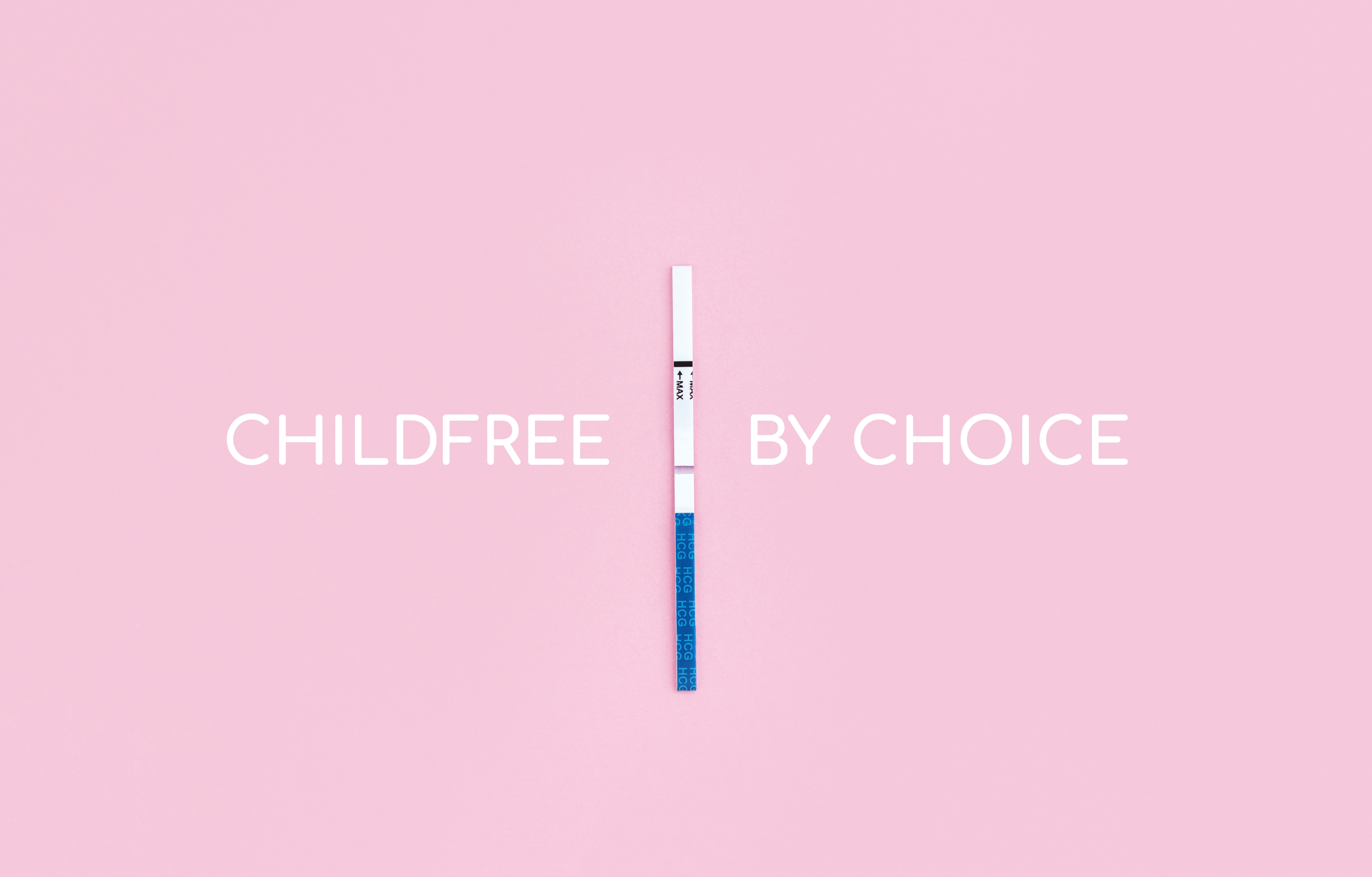
What if the ultimate symbol of adulthood—having children—is no longer the goal for a growing share of adults?
Across the United States, more people are deciding that parenthood simply isn’t for them. It’s not that they’re unable to have children, or waiting for the “right time.” Increasingly, they just don’t want to. In 2002, only 14% of nonparents said they didn’t plan to ever have kids. Today, that number has more than doubled to 29%. Among adults under 50, nearly half now say they’re unlikely to become parents at all.
For decades, society treated parenthood as inevitable. But that assumption is unraveling, and fast. The reasons go beyond diapers and daycare costs. For many, the decision reflects deeper values, concerns about the future, and a desire to live life on their own terms—not according to outdated scripts.
So what’s driving this shift? Is it a sign of progress or a warning bell for the future? And if fewer people choose to raise the next generation, what does that mean for the rest of us?
The Shift: More People Are Choosing a Child-Free Life

Over the past two decades, the number of Americans who say they don’t plan to have children has steadily grown—marking a clear cultural shift in how people think about family, adulthood, and fulfillment. According to a study from Michigan State University, the percentage of nonparents who say they never want children rose from 14% in 2002 to 29% in 2023. Meanwhile, those who do plan to have children dropped from 79% to 59% in the same time period.
This isn’t about infertility or life not going “according to plan.” The vast majority of child-free individuals are opting out on purpose. In fact, Zachary Neal, a co-author of the MSU study, notes that the proportion of people who are involuntarily childless—those who wanted kids but couldn’t have them—has remained relatively stable. What’s growing is the number of people actively choosing not to become parents.
That choice spans generations. Pew Research found that 57% of adults under 50 who don’t have children say the reason is simple: they just don’t want them. Even among those over 50, a third say they never wanted kids. For some, it was a matter of never finding the right partner or prioritizing other goals. For others, parenthood just didn’t align with what they wanted out of life.
Cultural norms are changing, too. People like Nina Job, who moved from rural Michigan to New York, describe being exposed to new models of adult life that didn’t center on marriage and children. “It opened my eyes to the possibility of so many different lifestyles,” she said. That shift in visibility matters. Seeing happy, fulfilled adults without kids helps dismantle the once-dominant narrative that fulfillment only comes through family.
And contrary to stereotypes, many child-free adults aren’t anti-child. They just don’t feel compelled to raise any themselves. They may invest in their communities, careers, or chosen families instead. As this group grows, it’s forcing a reexamination of long-held assumptions—not just about what it means to be an adult, but what it means to live a meaningful life.
Why Are People Opting Out of Parenthood?

In Pew Research’s 2023 survey, 57% of adults under 50 who don’t expect to have children cited “just not wanting to” as their primary reason. Other common factors included a desire to focus on personal goals, doubts about the state of the world, and the emotional and psychological demands of parenting. For some, the decision stems from a conscious effort to avoid repeating the dysfunction they experienced in their own families.
There’s also a practical element. Parenthood today is more intense and time-consuming than it was for previous generations. The pressure to be an “always-on” parent—one who can juggle gentle parenting techniques, curated educational experiences, and constant engagement—can feel overwhelming. Callie Freitag, a demographer and assistant professor, said she and her partner chose not to have children because they didn’t feel interested in the responsibility of “being on the clock watching children 24/7.”
There’s also a more existential layer to the choice. Many young adults today express concern about the future they’d be bringing a child into—citing climate change, gun violence, and political instability as major hesitations. Psychotherapist Carissa Strohecker Hannum, who works with clients navigating these questions, says she frequently hears people say they want to work on their mental health first before considering raising a child. Some are intentionally breaking generational patterns; others are grappling with whether they can offer the kind of emotional stability they believe children deserve.
Advances in reproductive healthcare have also made it easier for people to act on these preferences. The U.S. has seen a significant decline in unintended pregnancies in recent years. More people now have access to long-term contraception, and some are pursuing surgical sterilization as a permanent solution. For example, one woman shared that after adopting a dog, she realized even that level of caretaking was more stress than she wanted to pass on to a child—prompting her to pursue sterilization after years of being sure about her choice.
The Practical Barriers to Parenting

Even for those who want children, the realities of modern parenting can make the decision feel increasingly out of reach. The cost of raising a child in the U.S. is one of the steepest in the world—and it keeps climbing. According to a 2023 analysis by Northwestern Mutual, the total estimated cost to raise a child to age 18 now exceeds $330,000. That figure doesn’t include college tuition or unexpected expenses.
Childcare is one of the most punishing costs. Daycare and preschool prices have surged by 263% since 1991, based on data from the Bureau of Labor Statistics. And unlike many other wealthy countries, the U.S. does little to ease the financial burden. The country has no federally mandated paid parental leave, and only about a quarter of workers have access to it, regardless of gender. Compared to other nations in the OECD, only Turkey spends less per child as a share of GDP than the U.S.
Housing prices and student debt are part of the squeeze too. Young adults today often delay major milestones like marriage and homeownership—key decisions that many still associate with “readiness” for parenthood. Mortgage rates have jumped, rents continue to rise, and many would-be parents are still trying to get out from under loans taken out a decade ago.
It’s not just about money. Parenting expectations have evolved. Today’s parents spend significantly more time with their kids than previous generations did. In 1965, mothers spent an average of 54 minutes per day with their children. By 2012, that number had nearly doubled to 104 minutes. Fathers have quadrupled their time from 16 to 59 minutes per day in the same period. That shift reflects more engaged parenting, but it also means more pressure and less personal time.
Without strong systems to support working families—affordable child care, paid leave, flexible job structures—many adults feel like they’re being asked to perform an all-consuming role without any backup. Sociologist Mary Brinton of Harvard puts it plainly: the decline in fertility is “very much on the societal level and the policy level.” It’s not that people no longer value family; it’s that the structure around them makes building one increasingly difficult.
Social Pressures and Stigma
Choosing not to have children is still often met with confusion, judgment, or outright criticism—even as more people make that choice. The assumption that everyone should want kids remains deeply embedded in social norms, especially for women. That pressure can manifest in subtle comments, intrusive questions, or direct disapproval from family, friends, and even strangers.
Becky Hayden, who has been married for over two decades and is deeply involved in her California community, says people often assume that a life without children is somehow lacking. “A lot of people make the assumption because we don’t have kids, we’re not fulfilled,” she said. “And it’s not right.”
Women in particular are more likely to report feeling societal pressure to become parents. In a Pew Research survey, many women said they felt judged not just for their decision, but for how it sets them apart from the expectations placed on their gender. For some, that judgment continues at work. Among adults over 50 without children, one in three said they were expected to take on extra work simply because they didn’t have parental responsibilities. Others reported being left out of conversations or informal networks that centered around parenting.
The stigma isn’t just casual; it’s sometimes loud and public. Politicians and commentators have labeled child-free people as selfish, immature, or even morally deficient. In 2022, Pope Francis called not wanting children “a form of selfishness.” JD Vance, now a vice-presidential nominee, once referred to “childless cat ladies” as miserable and damaging to society. These narratives not only misrepresent people’s choices—they fuel cultural backlash against anyone diverging from a traditional family path.
Licensed psychologist Dr. Linda Baggett points out that these assumptions are not only outdated, but also harmful. “It is a myth that everyone, especially women, want to have children,” she said. She encourages people to set firm boundaries and remind others that personal decisions about parenthood are not up for public discussion.
Despite this, many child-free adults report feeling fulfilled, connected, and purposeful. The stigma is slowly eroding—but it hasn’t disappeared. As more people live openly child-free lives, they’re challenging the notion that parenthood is a prerequisite for happiness or social value. And that pushback is reshaping what it means to live a full, intentional adult life.
Living Without Children: A Valid and Fulfilling Life

The idea that a life without children is empty or incomplete is not only outdated—it’s incorrect. Many child-free adults lead deeply fulfilling lives, enriched by strong relationships, meaningful work, creative pursuits, and community involvement. For them, opting out of parenthood isn’t a loss; it’s a choice that creates space for other forms of contribution and joy.
Take Becky Hayden and her husband, for example. They’ve spent over 20 years actively mentoring students, running scholarship programs, and supporting families in their community—all without becoming parents themselves. “I don’t feel like your life has to be your children,” she said. Their story isn’t unusual. Plenty of child-free individuals redirect time, energy, and resources into causes, careers, and relationships that matter to them.
Surveys support this reality. In Pew’s latest data, most adults without children report feeling satisfied with their lives. They don’t see children as essential to happiness or self-worth. Many even say they feel more freedom to pursue personal growth and long-term goals.
Notably, people who choose not to have kids often do so with intention, not by default. Their decisions are shaped by clear values—such as maintaining mental health, prioritizing partnership, or avoiding repeating unhealthy family patterns. “You have to do what’s best for you,” said psychologist Dr. Linda Baggett. “It serves no one—especially the child—to bring an unwanted child into the world.”
Living child-free also allows for different kinds of legacy-building. Some invest in mentorship. Others create art, start businesses, or become central support figures for extended family or friends. These contributions may not involve raising the next generation directly, but they’re no less valuable.
Tips for Navigating a Child-Free Life Confidently
Living child-free can be liberating—but it also comes with moments where you’ll need to assert boundaries, plan differently, and sometimes explain your choices to others who may not understand. Here’s how to navigate this path with confidence and clarity:
1. Set Boundaries—Clearly and Kindly
People may ask, “When are you having kids?” or make assumptions about your future plans. It helps to have a calm, ready response. A simple “That’s not something I’m planning on” or “It’s a personal choice I’ve made and I’m happy with it” can shut down prying without being defensive. If someone persists, it’s okay to say, “I’d rather not discuss that.”
2. Plan for Aging Without Children
Without children to rely on in later years, it’s crucial to be proactive about retirement, healthcare decisions, and long-term care. Work with a financial planner who understands non-traditional family structures. Make sure to designate healthcare proxies and consider estate planning that reflects your values—whether that means supporting charities, friends, or extended family.
3. Build a Chosen Community
You don’t need children to create strong support networks. Focus on cultivating meaningful friendships, being a supportive aunt or uncle (biological or not), and staying involved in your local community. Community can come from volunteer work, mentorship, shared housing models, or simply deepening bonds with like-minded peers.
4. Own Your Decision Without Apology
You don’t owe anyone an explanation for not wanting children. What you do owe yourself is the freedom to live authentically. The more confidently you own your choice, the less others will question it. And if they do, that’s their discomfort—not yours to fix.
5. Reclaim What Fulfillment Means
Redefine success on your own terms. For some, that’s professional achievement. For others, it’s travel, creative expression, activism, or just the ability to wake up without the demands of caregiving. Whatever it is, lean into it fully—your time and energy are your own to invest.
6. Normalize the Conversation
Talk openly about your choice if you feel safe doing so. The more visible child-free people become, the less stigma there will be. Whether it’s sharing your perspective with a friend, at work, or even online, you’re helping create space for others to feel seen and supported.
So, Is It Really a Problem?

As fertility rates continue to drop in the U.S. and around the world, some economists and politicians are raising alarms. Fewer births could mean fewer workers, shrinking tax bases, and more pressure on social programs like Social Security. From that perspective, the growing number of people choosing not to have children may look like a looming crisis.
But the truth is more complicated—and less catastrophic.
Historically, population growth has followed a predictable pattern: as quality of life and education improve, fertility rates decline. This isn’t unique to the United States. South Korea, Japan, and many European nations have seen similar trends, even when offering generous parental benefits. In fact, some countries with the strongest family support systems—like Norway—are also experiencing declining birthrates. Incentives like cash bonuses or tax breaks have had limited long-term impact.
Demographers like Jennifer Sciubba and Leslie Root argue that this drop in fertility isn’t necessarily a threat. It’s a sign of progress: longer life expectancy, better access to education, and more freedom to choose how to live. And while birth rates in the U.S. are below the “replacement level” of 2.1 births per woman, the population has still grown steadily, partly due to immigration.
What’s often overlooked in this conversation is that people are making thoughtful, informed choices. Surveys show that many adults still want children—but only if they can provide a certain quality of life. That includes stable income, decent housing, access to child care, and confidence in the future. In a way, the decision to delay or forgo parenthood reflects a high bar for what raising a child should look like—not a disregard for family.
If there’s a “problem” here, it’s not that people are choosing not to have children. It’s that society hasn’t evolved to support a range of life paths. The U.S. still operates with outdated assumptions: that most people will become parents, that workplace policies can ignore caregiving, and that those without children have fewer needs.
The real opportunity isn’t to push people toward parenthood, but to build a culture and infrastructure that supports everyone—parents, non-parents, and those still figuring it out. That means stronger safety nets, better reproductive care, more inclusive retirement planning, and a broader definition of what it means to live a meaningful, successful life.
Whether or not someone decides to have children shouldn’t be framed as a problem to fix. It’s a personal decision—one that deserves respect, not panic.
