
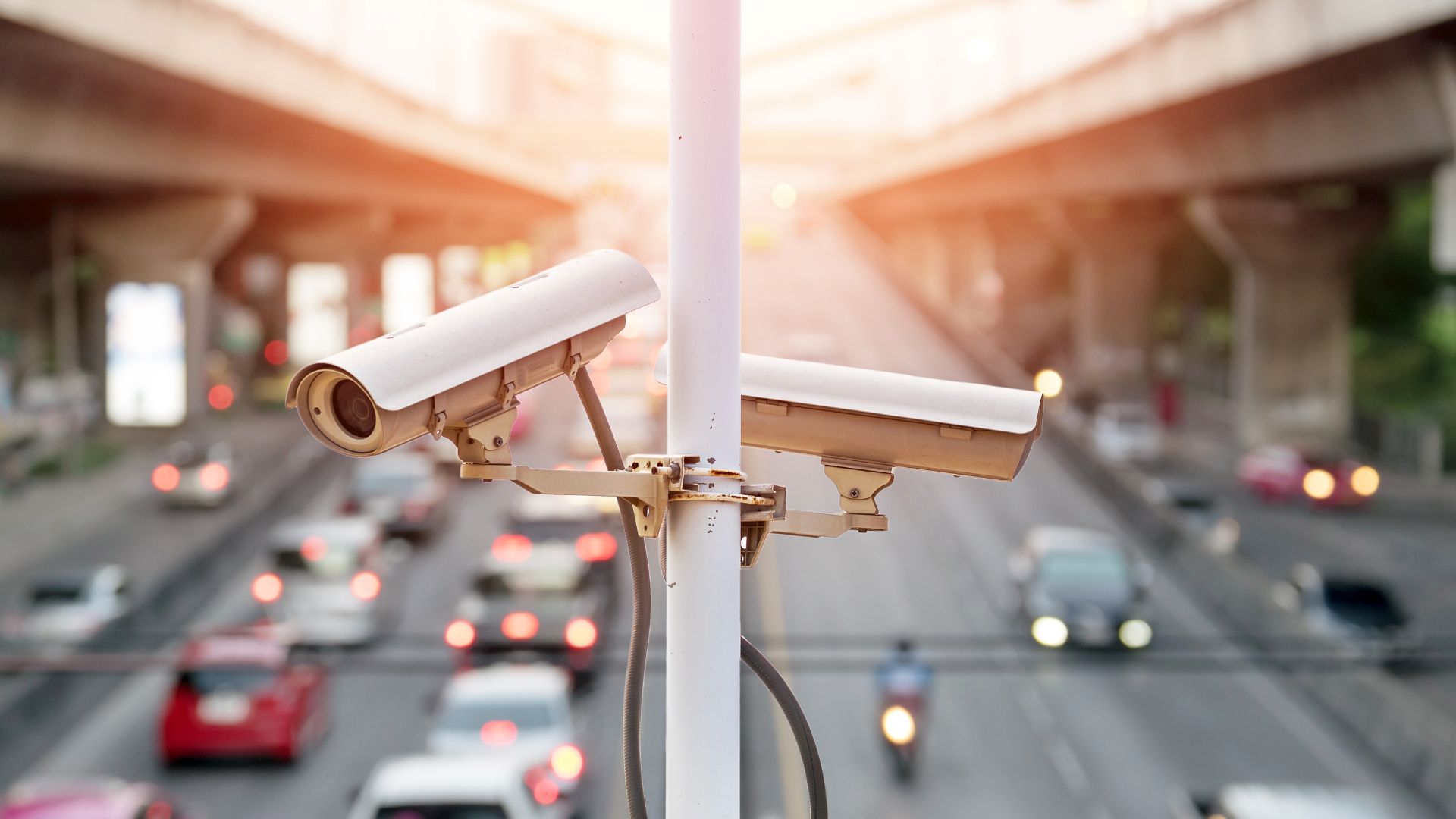
You’re driving down the motorway, music on, phone tucked away, maybe sipping coffee or chatting with a passenger. It all feels routine—until you realize the unassuming camera overhead isn’t just checking your speed. It’s watching you. Closely.
Across parts of the UK, a new generation of AI-powered traffic cameras is being quietly introduced. These aren’t just about catching speeders—they’re designed to peer into vehicles, detect distracted driving, and send flagged footage straight to the police. For some, it’s a much-needed safety upgrade. For others, it’s a surveillance system in disguise.
What exactly can these cameras see? Where are they already operating? And how concerned should we be about privacy on the road? Let’s dive into the technology, the impact, and the growing debate around this new digital eye in the sky.
The Rise of the Smart Traffic Camera
Gone are the days when speed cameras were simply a yellow box on a pole. The next generation has arrived—sleek, multi-lensed, and powered by artificial intelligence. These smart traffic cameras are no longer just snapping plates and clocking speeds; they’re analyzing behavior inside your vehicle, from seatbelt usage to whether your phone is resting in your lap.
The rollout began quietly. Trial runs in places like Staffordshire, Durham, and Greater Manchester hinted at what was coming. In just a few weeks, hundreds of violations were recorded—many of which would have gone unnoticed by traditional enforcement. Encouraged by the results, law enforcement agencies have been steadily expanding the program, now involving at least ten police forces across the UK.
These AI cameras aren’t just another tool—they represent a shift in how roads are monitored. With governments prioritizing road safety and tech companies racing to deliver ever-more precise surveillance tools, the smart camera isn’t a passing experiment. It’s the new standard. And it’s watching more than you might think.
How the Technology Works
At the heart of these new cameras is a complex blend of hardware and artificial intelligence working together to see what the human eye might miss. Unlike traditional cameras that catch speeders in a flash, these devices use a multi-lens setup to capture multiple angles—inside and around your car.
One lens is angled shallowly, perfect for spotting a phone held to the ear. Another takes a steeper view, scanning laps, dashboards, and even the passenger seat. High-resolution imaging ensures that small details—like whether your seatbelt is clipped in—are clearly visible. Infrared tech means these checks don’t stop at night or in bad weather.
But it’s the AI doing the real heavy lifting. Once the images are captured, machine-learning algorithms analyze them for specific behaviors: is the driver holding a phone, is someone unbelted, is there a visible distraction happening? If the system detects a potential offence, it creates a “violation package” that’s sent to a police officer for review. This human check is meant to prevent false positives—but it also means enforcement can happen almost in real time.
Not Just Speeding: Offences These Cameras Catch
If you think slowing down is enough to avoid a fine, think again. These new AI cameras are designed to flag a wide range of infractions—some of which have little to do with speed but everything to do with distraction and safety.
Here’s what they’re already watching for:
Running Red Lights
In areas where the system is paired with traffic signals, running a red can also be automatically detected and recorded.
Using a Mobile Phone While Driving
Whether it’s held to your ear or quietly sitting in your lap, if you’re interacting with a handheld device behind the wheel, you’re at risk. Cameras capture different angles to catch phone use from virtually any position.
Not Wearing a Seatbelt
Drivers and passengers alike can be penalized. The AI can detect whether a seatbelt is fastened—and it doesn’t matter if you’re “just going around the corner.”
Distracted Passengers
It’s not just the driver under surveillance. Passengers who are visibly distracting the driver—waving phones, turning around, or acting erratically—can also trigger a flagged image.
Speeding
Of course, the cameras still handle classic speed enforcement. Radar, infrared, and advanced detection software ensure accuracy, even without traditional road markings.
Driving Without Insurance or a Valid MOT
Some AI systems are integrated with vehicle databases to identify drivers operating illegally. If your registration is linked to an expired MOT or lapsed insurance, expect a digital red flag.
The Stats So Far

The numbers are in—and they’re eye-opening. Since their pilot launch in 2021, AI-powered traffic cameras have been catching thousands of UK drivers for a range of offences beyond just speeding.
In a two-week trial conducted by Humberside Police, 849 traffic offences were recorded, highlighting the effectiveness of these smart cameras in identifying violations such as mobile phone use and seatbelt non-compliance.
Greater Manchester’s five-week trial of AI cameras resulted in over 3,200 drivers being caught for offences like using mobile phones and not wearing seatbelts.
The Promise: Safer Roads

At the core of the AI camera rollout is a promise that’s hard to argue with—saving lives. Every year, thousands of accidents on UK roads are caused by simple but deadly decisions: checking a text, skipping a seatbelt, or pushing the speed limit “just a bit.” Supporters of the new tech believe these cameras are a practical step toward changing that.
Authorities like National Highways and various police forces argue that enforcement has long lagged behind the everyday risks on the road. With human officers stretched thin and distractions on the rise, these smart cameras offer a way to close the gap. They’re tireless, always alert, and less likely to miss violations—especially the subtle ones that don’t involve screeching tires or flashing lights.
Early data suggests the technology is doing what it was designed to do: catch violations quickly and consistently. And the logic follows—if more drivers are fined for risky behaviors, fewer will repeat them. Over time, advocates argue, this kind of automated enforcement could help change driving habits at scale, reducing crashes and saving lives without increasing patrol budgets.
Privacy Under Threat?

At the heart of the backlash is a simple question: how much watching is too much? The ability of these cameras to peer inside your vehicle, identify individual behaviors, and record private moments—without your knowledge—feels intrusive to many. Critics argue that this level of observation turns every motorist into a potential suspect, shifting the relationship between citizens and the state into uncomfortable territory.
Organizations like Big Brother Watch have slammed the tech as “creepy,” “excessive,” and “unproven,” especially since AI systems are prone to false positives and bias. Even with promises of anonymized images and human verification, skepticism remains. After all, what’s to stop mission creep? Today it’s seatbelts—tomorrow, who you’re riding with or what you’re doing.
Then there’s the question of transparency. Most drivers wouldn’t even know these AI cameras are operating—there are no obvious signs or notifications, just a silent scan and a potential letter in the post weeks later. To critics, this feels less like enforcement and more like entrapment.
What Happens If You’re Caught?
If an AI camera flags your vehicle for a suspected offence, it’s not an instant ticket—at least not yet. The process begins with the system capturing images from multiple angles, then using algorithms to detect behaviors like phone use or missing seatbelts. These flagged incidents are bundled into what’s called a “violation package,” which is sent to a real human—usually a police officer—for review and verification.
Once the violation is confirmed, the penalties kick in. And depending on the offence, the consequences can be steep:
- Using a Mobile Phone While Driving
Fixed penalty: £200 and six points on your license
If taken to court: Up to £1,000—or £2,500 for lorry and bus drivers—and possible disqualification. - Not Wearing a Seatbelt
On-the-spot fine: £100
If prosecuted: Up to £500 - Speeding
Minimum fine: £100 and three points
In more serious cases: Higher fines based on income and speed over the limit. - Driving Without Insurance
Fine: £300 and six penalty points
Possible vehicle seizure and further legal action. - Running a Red Light
Fine: £100 and three points
Expert Reactions: Is This the Future of Policing Roads?
Opinions are split—but they’re not quiet. Among traffic safety professionals, insurance analysts, and law enforcement leaders, there’s cautious optimism about what AI cameras could mean for road safety. For others, especially privacy advocates and concerned citizens, the tech feels like a step too far into surveillance territory.
Law enforcement officials see these cameras as a logical evolution. With limited personnel and rising road incidents, AI helps fill the enforcement gap. As Matt Staton from National Highways noted, distracted driving and failure to wear seatbelts are major contributors to serious crashes. Cameras that catch these behaviors consistently could, in theory, reduce fatalities.
Motoring groups like the RAC have also backed the idea, though with caveats. They argue that stronger enforcement—whether human or AI-assisted—is necessary to deter reckless drivers. But even they acknowledge that transparency is essential if public trust is to be maintained.
On the other hand, privacy organizations are waving red flags. Groups like Big Brother Watch warn that these systems treat all drivers as suspects, normalizing a surveillance culture that chips away at civil liberties. Their argument? Just because something can be monitored doesn’t mean it should be—especially when the tech isn’t always perfect.
Even insurance experts are watching closely. Some predict that AI enforcement could reshape driver risk profiles, possibly influencing future policy pricing or claims disputes. Others worry about due process, especially if a driver receives a fine based on AI error with little recourse.
Safety vs. Surveillance—Where’s the Line?
The rise of AI traffic cameras marks a turning point in how society balances technology, safety, and privacy. On one hand, they offer a powerful tool to prevent accidents, enforce traffic laws more consistently, and save lives. On the other, they represent a form of passive surveillance that many people never agreed to—and often don’t even realize is happening.
For drivers, the message is clear: the old rules of the road still apply, but enforcement is evolving. Gone are the days when you could glance at your phone at a red light or “forget” your seatbelt on a quick trip. In the era of AI enforcement, everything from a momentary lapse in judgment to a bad habit could cost you—not just financially, but in terms of your driving record and personal data.
Whether you view these cameras as a public good or a privacy overreach, one thing is certain: they’re here, and their presence is only expanding. As drivers and citizens, the challenge now is to stay informed, stay compliant—and stay aware of how far we’re willing to let technology shape our freedoms on the road.
