
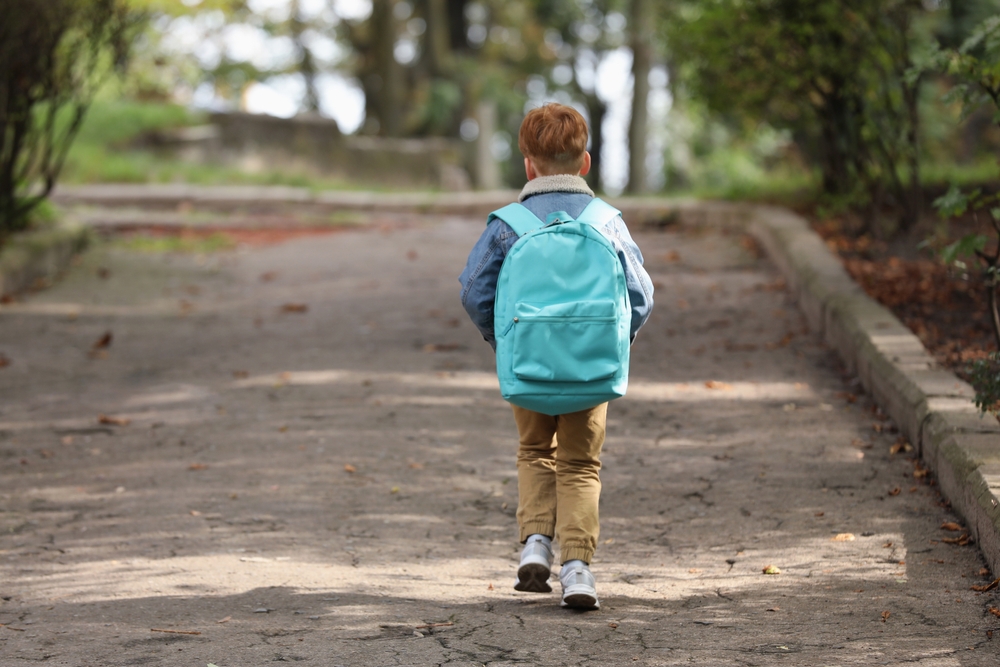
When a 12-year-old boy started collecting his classmates’ leftovers at lunch, most people didn’t notice. He wasn’t hungry. He wasn’t hoarding. He was saving his free school meal — the one meal he could count on each day — to bring home to his disabled mother. His quiet routine wasn’t meant to make a statement. It was survival. It was love.
Once his story surfaced, it went viral. Donations came in. Headlines followed. But beneath the public reaction was a deeper truth: this wasn’t an isolated act of compassion. It was a symptom of a system that forces children into roles they shouldn’t have to play. His story didn’t just reveal a personal struggle — it exposed a national one.
The Boy Behind the Headline — A Child Acting Like a Caregiver
At twelve years old, most kids are figuring out how to navigate school, make friends, and maybe get out of doing their homework. But for one boy, childhood looked very different. Every day at school, while others sat down to eat or trade snacks, he quietly gathered uneaten food from his classmates — unopened bags of chips, untouched sandwiches, sealed juice boxes. He wasn’t hoarding food for himself or out of personal hunger. Instead, he was wrapping up his own free school lunch and combining it with whatever extras he could find, saving it all to bring home. His reason was simple: his mother, who is disabled, needed to eat. It was the only way he could make sure she had something for dinner. He didn’t see this as remarkable — it was just what had to be done.
What started as a quiet, consistent gesture went unnoticed for a while — until a teacher picked up on it. The teacher noticed that the boy rarely ate and often tucked food into his backpack instead. When asked, the boy explained without hesitation or drama, “I’m taking it home to my mom.” That moment stripped away any assumptions of negligence or misbehavior. It exposed a deeper reality: this child was operating under a daily pressure most adults would struggle with. He wasn’t trying to be recognized or praised. He wasn’t even trying to solve a problem. He was just doing what he thought was right — making sure someone he loved didn’t go hungry. His actions weren’t born of ambition or awareness of the system’s failure. They were born of survival and care.
This story gained attention precisely because it was so raw and so unfiltered. But it’s not isolated. According to the National Alliance for Caregiving and AARP, nearly 5.4 million children in the U.S. under the age of 18 live in households with at least one adult who needs help with daily functioning — and many of these children take on some form of caregiving. In the absence of reliable support systems, they quietly step up. What this boy did — using his only guaranteed meal to feed his mother — is a vivid example of how children are absorbing responsibilities that far exceed their years. And the most striking part is how natural it felt to him. When asked later why he did it, his answer was, “We help the people we love.” It wasn’t meant to be profound, but it was. In that sentence, he revealed not just the emotional burden he carries, but the quiet moral clarity that many adults lose somewhere along the way.
Hunger That Hides in Plain Sight
Hunger in America often doesn’t look like the images associated with food insecurity — empty bowls or visibly malnourished children. It looks like a kid skipping lunch without complaint. It sounds like “I’m not hungry” when a child’s stomach is growling. It can be seen in the same lonely apple or fruit cup pushed around on a tray day after day. The boy who packed away food for his mother wasn’t unique in his experience — he was just one of the few whose story was noticed. Millions of children across the U.S. face similar struggles daily, but most go unseen because they’ve learned how to mask their needs with silence, humor, or distraction.
According to the U.S. Department of Agriculture, more than 13 million children in the country live in food-insecure households. That’s one out of every five kids who doesn’t have consistent access to enough food. And for many of them, the school cafeteria is the only place where a hot meal is guaranteed. Yet even there, the system isn’t perfect. Some students are eligible for free or reduced-price meals under the National School Lunch Program, but families just above the income threshold often struggle just as much and are excluded. Others, especially those in undocumented or mixed-status households, may avoid applying due to fear or confusion over the process. Meanwhile, the stigma attached to “lunch debt” — when students can’t pay for meals — leads some schools to deny kids hot food or give them cold, clearly different meals that single them out.
The shame associated with poverty plays a powerful role in keeping these stories hidden. Kids are observant. They know when something sets them apart, and many will go out of their way to avoid that attention. Some skip meals entirely so their siblings can eat more at home. Others, like the boy in this story, take what they can without drawing notice. And while schools do make efforts to help — offering breakfast programs, food pantries, or weekend take-home packs — the patchwork of support varies widely depending on district funding and local leadership. The burden still often falls on the students themselves to navigate these systems while maintaining their dignity in front of peers.

When a Private Act Becomes a Public Reckoning
When the boy’s story came to light, it didn’t take long to spread. A teacher’s quiet observation turned into a media headline. News outlets picked it up. Social media reacted. Donations began pouring in. People were moved not just by the boy’s actions, but by the circumstances that made those actions necessary. It wasn’t the kind of story that goes viral for shock value. It resonated because it was deeply human — a kid doing something most adults would admire, without seeking attention, recognition, or reward.
The public response was swift and generous. Fundraisers were launched. Strangers sent groceries. Offers came in to support the mother with job leads, mobility devices, and direct aid. The boy’s act of care became a rallying point for broader conversations about food insecurity, family caregiving, and what it means to grow up in poverty in America. Local school boards even began reassessing how they approach food assistance. Some educators spoke openly about how the story made them reflect on the children in their own classrooms — those who might be carrying invisible burdens. The impact wasn’t just material. It was a shift in attention. For once, people were looking — really looking — at a problem that often lives in the background.
But alongside the donations and outpouring of empathy, a harder question emerged: why does it take a child’s sacrifice to spark action? Why do we wait until someone’s suffering becomes emotionally gripping enough to trend before we take it seriously? The reality is, stories like this often serve as temporary emotional jolts. They generate waves of support — then fade. Meanwhile, the structural issues behind them remain untouched. As the news cycle moves on, most of the children still living through similar circumstances return to being unseen.
This case underscores the uncomfortable truth that compassion alone isn’t enough. The boy’s gesture was remarkable, but it shouldn’t have been necessary. It shouldn’t take media attention to get food on a family’s table. Yet it often does. That’s the disconnect the story forces us to confront — the gap between individual generosity and systemic neglect. While the donations helped this particular family, they don’t fix the larger problem. What this boy did was an act of love. What the public did in response was an act of care. But what’s still missing is sustained responsibility — from the systems and institutions designed to ensure no child has to make these choices in the first place.

What You Can Do — Practical Ways to Support Food-Insecure Families
You don’t need to wait for a viral story to make a difference. Food insecurity affects families in every zip code, often in ways that aren’t immediately visible. But small, consistent actions — especially at the community level — can have a real impact. If you’re moved by stories like the 12-year-old boy who saved his lunch for his mother, here’s how to turn that emotion into action.
Start locally. Schools are often the first line of defense against child hunger. Reach out to your local school district or individual schools to ask if they have a food pantry, weekend backpack program, or need help covering student lunch debt. Many Parent-Teacher Associations (PTAs) and community organizations run donation programs year-round, not just during the holidays. Even small contributions — a few grocery store gift cards or a box of non-perishables — can help fill immediate gaps. If your school doesn’t have a food assistance program, ask why. Sometimes all it takes is one person pushing for a conversation to get something started.
Advocate for better policies. One of the most effective long-term solutions is supporting legislation that expands access to free meals in schools. That includes backing programs like the Community Eligibility Provision, which allows high-poverty schools to offer free breakfast and lunch to all students without requiring applications. Contact your state representatives and school board members. Ask them where they stand on universal free school meals. These programs don’t just reduce hunger — they improve attendance, academic performance, and reduce stigma. If you’re not sure where to start, organizations like No Kid Hungry, Feeding America, and the Food Research & Action Center offer tools to help you learn and take action.
Pay attention to signs — and listen. Teachers, coaches, neighbors, even fellow parents are often in positions to notice when a child is struggling. If a kid frequently skips meals, wears the same clothes daily, or avoids social situations involving food, there may be more going on than meets the eye. Ask questions without judgment. Offer quiet support. If you’re in a position to help — whether that’s offering a ride, sharing meals, or helping with groceries — do it without making it a transaction. Dignity matters.

Moving Beyond Emotion — Why This Story Should Change What We Expect
The story of the 12-year-old boy who packed up his school lunch for his disabled mother is powerful, not just because of what he did — but because of what it reveals. He wasn’t trying to send a message. He wasn’t calling for change. He was doing what he thought any person would do when someone they love is hungry. And that’s exactly why it hit so hard. Because deep down, most people understand this kind of love, but few expect it to come from a child forced into a caregiver role. The question isn’t “Why did he do this?” The question is “Why did he have to?”

Stories like this shouldn’t just make us feel something — they should push us to reexamine what we’ve accepted as normal. Hunger in one of the richest countries in the world should not be a matter of personal sacrifice, especially not by children. When a kid has to choose between eating lunch and saving it for a parent, that’s not a story of resilience. That’s a failure of policy, safety nets, and public accountability. If the only time a child in need receives help is when their story goes viral, we’re not solving the problem — we’re reacting to it. And reaction isn’t a substitute for reform.
We don’t need more moments of temporary outrage. We need permanent solutions — ones that remove the stigma, eliminate lunch debt, and ensure universal access to food as a basic right, not a privilege tied to income thresholds and paperwork. The good news is that many of these solutions already exist. They’re working in cities that have embraced universal free meals, streamlined access to benefits, and invested in community food programs. What’s missing is the political and public will to scale them — and that’s where we come in.
