
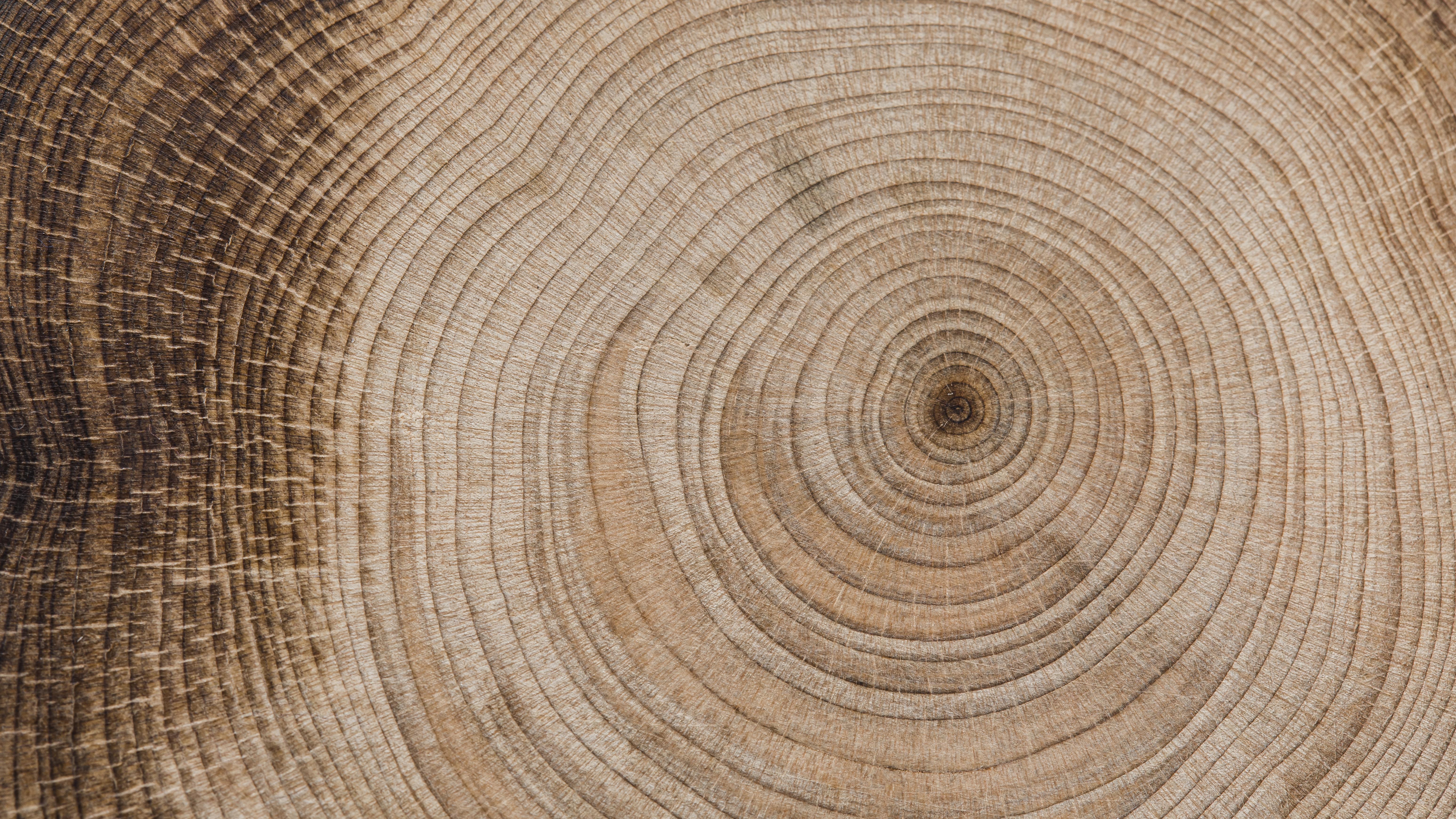
What if the future of construction didn’t lie in concrete or steel, but in wood—ordinary timber, reengineered to be stronger than steel and resistant to fire, water, and decay?
That’s exactly what researchers in Maryland have created. Called Superwood, this new material has a strength-to-weight ratio up to ten times greater than steel, yet it’s made from fast-growing trees and processed using food-safe chemicals. It’s so tough that it can stop bullet-like projectiles in lab tests, all while locking away carbon instead of emitting it.
As climate pressures mount and the construction industry searches for cleaner alternatives, Superwood offers more than performance it offers a path forward. Here’s what it is, how it’s made, and why it may soon reshape everything from the homes we live in to the cities we build.
What Is Superwood and Why It Matters
Superwood is a high-performance material created from natural timber but engineered to surpass the strength, durability, and fire resistance of steel. Developed by scientists at the University of Maryland and now moving into commercial production through the startup InventWood, Superwood takes a common, renewable resource wood and transforms it into an advanced material with wide-reaching potential.
What makes Superwood different is how it performs under pressure. It has a tensile strength 50% greater than steel and a strength-to-weight ratio ten times higher. It resists fire, moisture, insects, and even high-velocity impacts, all without synthetic coatings or heavy industrial processes. It retains the appearance of natural wood but behaves more like a composite material or alloy.
The material’s importance goes beyond performance. Steel and concrete core ingredients in construction—are among the biggest contributors to global carbon emissions. Steel alone accounts for 7–9% of direct fossil fuel emissions worldwide. Superwood, by contrast, stores carbon rather than emitting it. And because it can be made from fast-growing softwoods or even waste timber, it avoids the environmental and ethical concerns tied to tropical hardwood logging.
As cities and industries push toward lower-emission materials, Superwood represents a practical, scalable solution. It doesn’t just offer an alternative to steel it challenges how we think about what materials should do and where sustainability fits into performance.
How It’s Made: From Tree to Super-Material

Superwood starts with regular timber often fast-growing species like pine or poplar and transforms it through a two-step process that changes its structure at the molecular level. The goal is to enhance the natural strength of cellulose, the fibrous backbone of wood, while removing the weaker elements.
First, the wood is boiled in a solution of sodium hydroxide and sodium sulfite. This chemical bath removes most of the lignin and hemicellulose, the compounds that give wood its rigidity and color but limit its bonding potential. Stripping these away exposes the cellulose fibers, which are capable of forming dense, tight bonds if compressed correctly.
Next comes densification. The treated wood is compressed under heat about 150°F causing the cellular structure to collapse. This collapse brings the cellulose fibers closer together, where they form hydrogen bonds that dramatically increase the material’s strength, toughness, and stability.
The finished product is up to 12 times stronger and 10 times tougher than the original wood. It becomes denser, harder, and more moisture-resistant, with deepened natural grain patterns that resemble tropical hardwoods. It achieves a Class A fire rating without chemical flame retardants and doesn’t require synthetic resins or energy-intensive processing, making it both effective and efficient.
Because the process is compatible with a wide range of timber species, including waste wood, it offers flexibility and scalability that most high-performance materials lack. What once took weeks to produce can now be done in a matter of hours bringing Superwood out of the lab and into the real world.
How Superwood Stacks Up: Strength, Safety, and Sustainability

Superwood isn’t just a strong alternative to steel it outperforms it in several key areas while sidestepping many of its environmental and practical drawbacks.
Strength and Durability
Superwood has 50% greater tensile strength than steel and a strength-to-weight ratio up to 10 times higher. In ballistic lab tests, projectiles that easily pierced untreated wood were stopped halfway through Superwood of the same thickness. It also resists compression, bending, and impact more effectively than most hardwoods, let alone standard construction-grade timber.
Fire and Weather Resistance
Despite being made from wood, Superwood earns a Class A fire rating without added flame retardants. Its dense structure reduces oxygen flow, which limits combustion. It also resists rot, swelling, and insect damage common weaknesses in natural wood making it suitable for both indoor and outdoor applications. Tests show that even in high humidity, Superwood retains its shape and strength, and any minor swelling can be eliminated with a basic surface treatment like paint.
Environmental Impact
Steel and concrete are responsible for nearly 90% of the carbon footprint in new buildings. Superwood offers a dramatically cleaner alternative. Its production generates up to 90% fewer carbon emissions compared to steel, and because it’s made from trees a renewable, carbon-sequestering resource it actively removes and stores CO₂. Each panel or beam becomes a carbon sink, not just a structural element.
Material Efficiency
While Superwood’s cost per pound is higher than steel today ($12.50–$25 vs. steel’s $1–$2), its strength-to-weight advantage changes the equation. A 10-pound Superwood beam can theoretically replace a 100-pound steel beam, making the adjusted performance cost competitive. Add in reduced maintenance, fireproofing, and structural reinforcement costs, and the long-term economics begin to favor Superwood especially as production scales.
Real-World Potential: From Buildings to Furniture and Beyond

Superwood is entering the market with clear, immediate applications and a much broader future ahead.
Initial Uses in Construction
InventWood, the company behind Superwood’s commercialization, is focusing its first wave of production on interior architectural panels for commercial and high-end residential buildings. These applications offer a lower-risk way for architects and builders to start using the material while regulatory approvals for structural use are still underway.
Exterior-grade panels for siding and roofing are expected to follow. These will benefit from Superwood’s built-in resistance to moisture, pests, and fire traits that typically require additional treatments in natural wood or synthetic cladding. Because it can be cut, drilled, and fastened with standard tools, contractors can adopt it without changing their workflow.
Structural Ambitions
The long-term vision is more ambitious: InventWood aims to replace structural steel in beams, columns, and even I-beams. Thanks to its strength, light weight, and dimensional stability, Superwood is positioned to play a major role in the “bones” of buildings not just their outer layers. With scaled production and certification, full Superwood-framed structures may become a reality.
Beyond the Building Industry
Superwood’s performance and moldability also open doors far beyond architecture. It can be shaped during the early stages of production, allowing designers to create complex forms before the material hardens. This makes it suitable for:
- Furniture: Stronger, lighter pieces that don’t sacrifice appearance.
- Transportation: Lightweight, durable vehicle interiors or components that reduce fuel consumption.
- Protective Gear: Lab tests showing projectile resistance hint at potential for low-cost body armor or safety equipment.
- Consumer Products: Tools, sports equipment, or even durable home goods that benefit from Superwood’s toughness and sustainability.
Because it can be made from fast-growing softwoods or even waste wood, Superwood also adds value to previously underused resources supporting circular economy principles across sectors.
The material’s practical versatility, combined with strong early investor interest, suggests that Superwood is more than a novelty. It’s a cross-industry solution with a wide runway ahead.
What This Means for Everyday People

You don’t need to be an architect or engineer to be affected by Superwood. As this material enters the market, it could start showing up in the places and products people interact with every day homes, furniture, consumer goods, even transportation.
Better Materials in the Home
Superwood’s resistance to fire, moisture, pests, and warping makes it ideal for floors, wall panels, cabinetry, and even roofing. For homeowners, this means more durable interiors that last longer without the maintenance demands of traditional wood or the safety concerns tied to synthetic materials. And since Superwood doesn’t require chemical fire retardants, it may also help reduce indoor exposure to those additives.
Furniture That Lasts
Mass-market furniture often sacrifices strength for cost, using cheap composites that break down over time. Superwood opens the door to stronger, lighter furniture that keeps its shape and looks without exotic hardwoods or laminates. It offers high-end aesthetics comparable to walnut or ipe without relying on endangered forests.

Consumer Power in Sustainability
For people who want to make environmentally responsible choices, Superwood represents a shift toward cleaner, smarter design. It stores carbon instead of releasing it, reduces reliance on concrete and steel, and can be made from fast-growing or waste wood. Supporting products made with materials like this contributes directly to more sustainable production systems.
Awareness of What’s Behind the Materials
As Superwood enters the mainstream, it offers a reminder to pay attention to what things are made of not just how they look. From fire resistance to durability to climate impact, the materials used in buildings and products shape both quality of life and the health of the planet. Choosing better ones matters.
In the coming years, Superwood may become a marker of innovation the way stainless steel or carbon fiber once were only this time, rooted in something as familiar as wood, reimagined for a changing world.
A Stronger Future, Built Smarter
Superwood isn’t a futuristic concept it’s a real, engineered material now moving from lab to factory floor. It takes something as familiar and abundant as wood and transforms it into a high-performance alternative to steel, with added advantages in sustainability, safety, and design flexibility.
It may not replace steel and concrete overnight, but its potential to cut carbon emissions, reduce reliance on harmful chemicals, and expand the possibilities of what wood can do is already clear. As production scales and early adopters begin using Superwood in real buildings, its broader impact will come into focus—shaping how we construct homes, cities, and the products that fill them.
For consumers, designers, and builders alike, Superwood signals a shift toward smarter materials that don’t compromise between performance and responsibility. It’s a reminder that innovation doesn’t always mean inventing something entirely new sometimes it means unlocking the full potential of what we’ve had all along.
